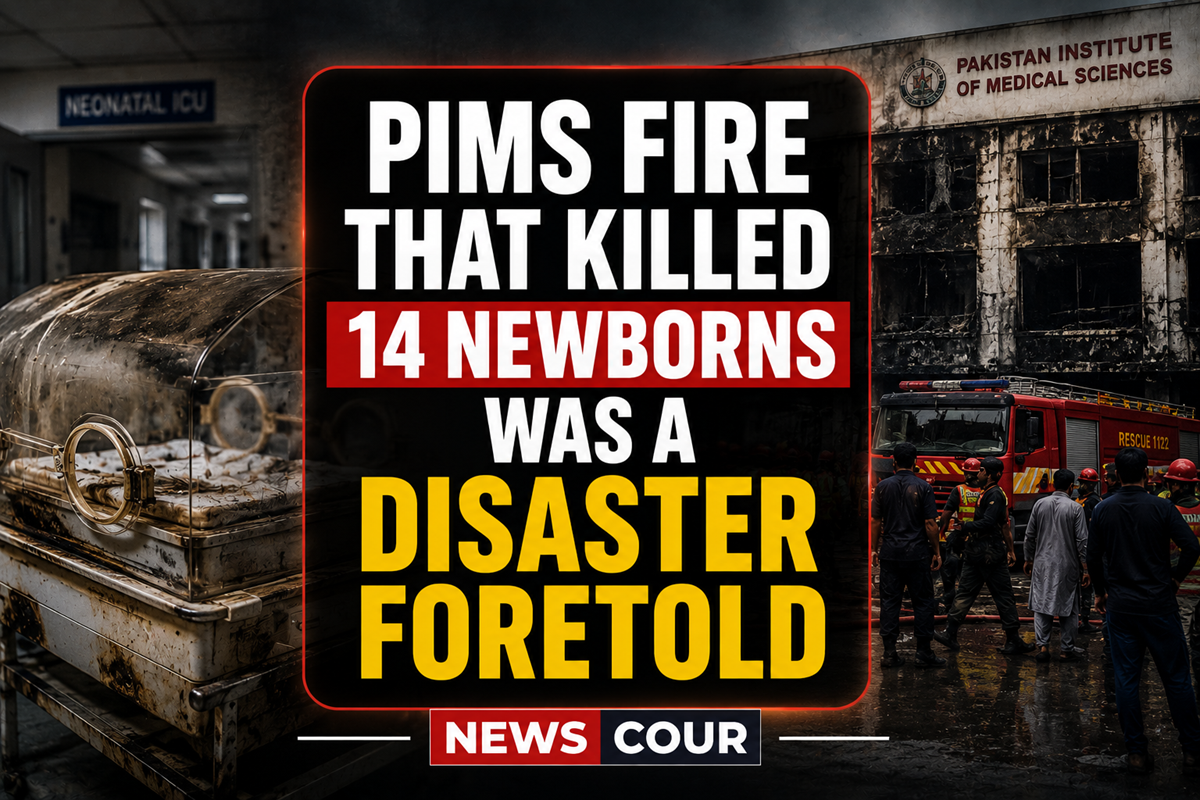
The joy that usually greets a newborn turned to grief at Islamabad’s largest public hospital this week. Fourteen infants died in a single blaze, and only one was pulled out alive.
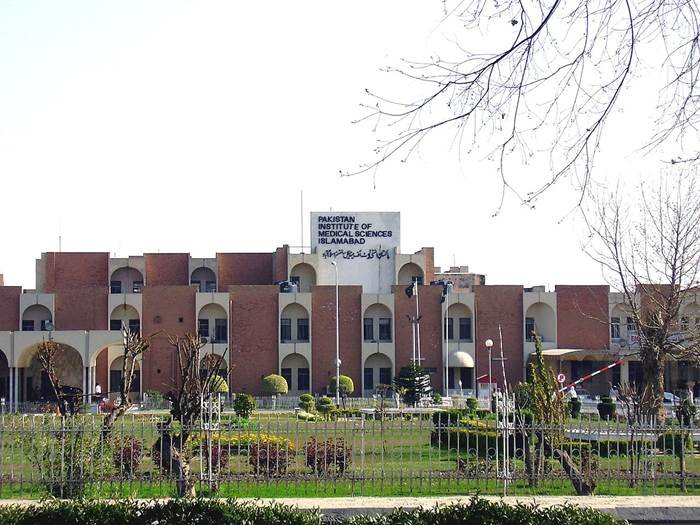
At about 6:45 on the morning of 26 August, a fire tore through the neonatal nursery on the third floor of the Mother and Child Health ward at the Pakistan Institute of Medical Sciences. The PIMS fire has since become a national accountability crisis, drawing a government inquiry, eight suspensions, and criminal proceedings ordered within days of the deaths.
Here is what happened, what the inquiry found, and why officials cannot call this an accident that nobody saw coming.
What the Inquiry Into the PIMS Fire Found
Hospital management said the blaze started with a short circuit in the nursery’s air-conditioning unit. Fifteen newborns were inside the ward at the time. Only one, a baby girl, was rescued alive.
Prime Minister Shehbaz Sharif moved quickly, forming a committee headed by former interior secretary Shahid Khan. The panel reviewed roughly two minutes of CCTV footage and recorded statements from more than 30 hospital staff.
Its interim report, submitted late Friday, reached a blunt conclusion. None of the hospital’s arrangements, it said, met international standards.
The committee found that PIMS lacked detailed fire-emergency protocols, staff training, and a working sprinkler system in the neonatal ward. It also documented the difficulties rescue teams faced, and recommended action against staff who were absent from their posts when the fire broke out.
The Warning That Came Before
What makes the findings so stark is that a warning had already arrived. On 6 July, a separate fire hit the hospital’s Female Nursing Hostel, and an earlier inquiry had flagged serious gaps in smoke detection, alarms, evacuation readiness, and electrical inspections.
Those corrective measures were reportedly still being processed the day before the nursery caught fire. A functioning system audits similar hazards after a near miss and closes the gaps. This one did not act in time.
The pattern reaches beyond Islamabad, too. In June 2024, a fire at Sahiwal Teaching Hospital in Punjab killed 11 babies, and inquiries there identified their own preventable safety failures. Two warnings, two years apart, and the same category of tragedy followed.
Grief, Anger, and a Locked Exit
For families, the technical findings sit beneath something far rawer. Parents described searching corridors for children they could not find, and several eyewitnesses said staff delayed the evacuation as smoke filled the ward.
A Capital Development Authority report added a damning detail, finding that one hospital fire exit had been kept permanently locked. It also alleged that security personnel obstructed the fire brigade during its first minutes on the scene.
The World Health Organization treats hospital fire safety as a core part of patient safety, the principle that care must above all do no harm. In this nursery, on this morning, that principle failed in the place it should have held strongest.
Why the PIMS Fire Struck a National Nerve
The tragedy drew condemnation from across the political spectrum. President Asif Ali Zardari called the deaths an irreparable loss, while provincial leaders demanded transparent investigations and their own fire-safety inspections.
Part of the anger is about place. This was not a remote clinic but the federal capital’s flagship public hospital, the institution families trust when a newborn needs critical care. When the safest room in that building becomes the most dangerous, the failure feels national rather than local.
What Happens Now
The prime minister approved the immediate suspension of eight officials, including the PIMS executive director, and ordered both departmental and criminal proceedings against those found responsible. A separate petition filed in the Islamabad High Court seeks a judicial commission for a fully independent probe.
Fire-safety audits have now begun at other public hospitals in the capital, and Capital Hospital was already flagged for insufficient measures during an early review. Officials say the inquiry report also proposes broader reforms to emergency preparedness and response systems.
None of that undoes the loss. Fourteen families buried children who had only just arrived, and the measure of any response now is whether these reviews become enforceable, lasting standards, or fade like the warnings that came before them.
For more on how safety and health failures spark public reckonings, see our coverage of the childhood vaccine order backlash.
Fourteen names now belong to the record of what negligence costs, and the least they are owed is a system that finally listens to its own warnings.