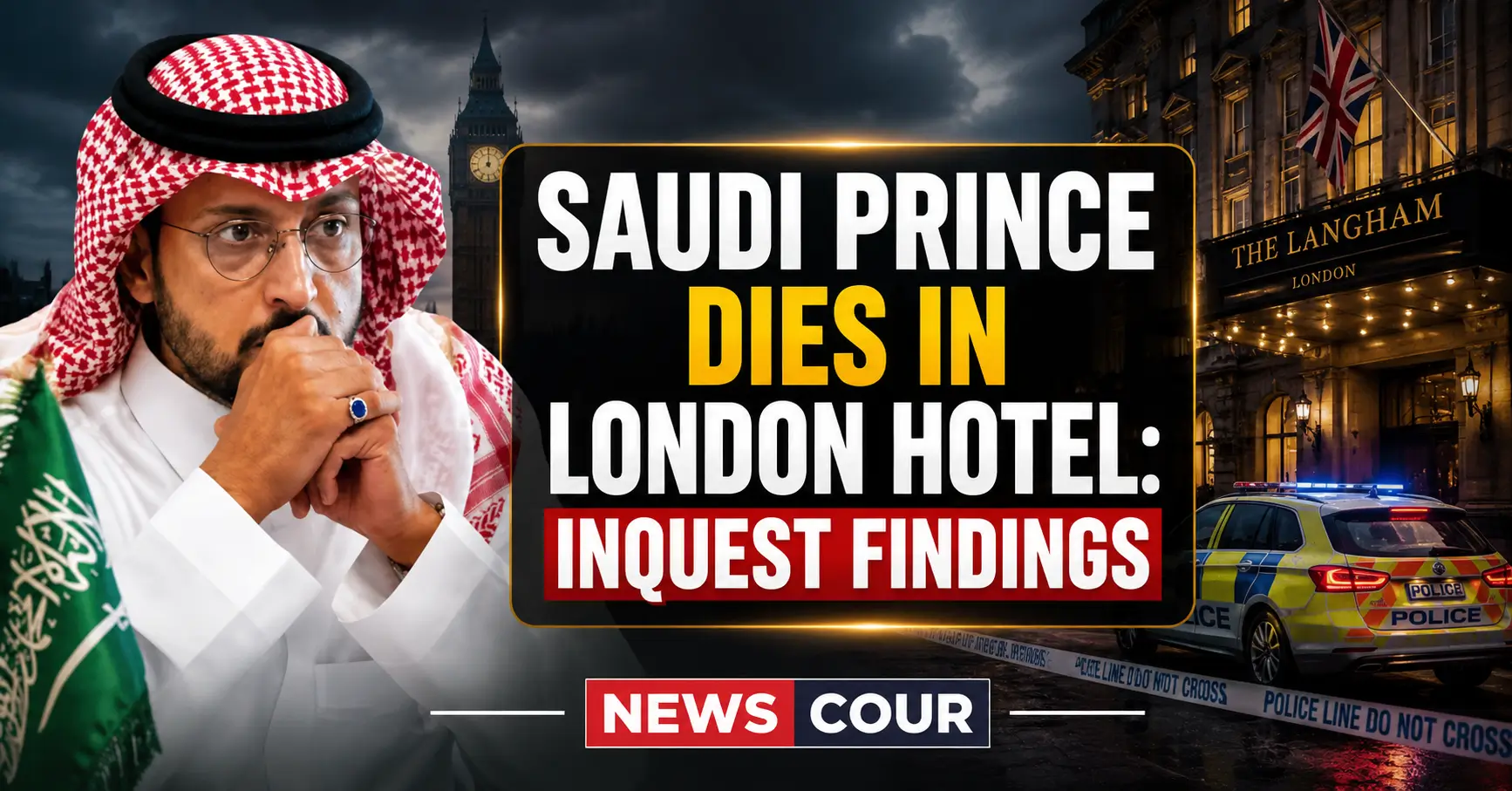
A Saudi prince died in a London hotel after his body absorbed a mixture of alcohol, a party drug and prescription medication strong enough to stop his heart. That is the blunt conclusion an Inner West London coroner reached this week, closing an eight-month mystery that began with a locked hotel door and a cleaner’s knock that went unanswered.
Saudi Prince Abdullah bin Fahad bin Abdullah bin Abdulaziz bin Jalawi Al Saud was 29. His death, now officially ruled accidental, offers a rare, court-documented window into how substance dependence even after treatment can still turn fatal.
What the London Inquest Found
The inquest at Inner West London Coroner’s Court examined toxicology reports, hotel CCTV, medical records and testimony from the psychiatrist who had treated him. Assistant Coroner Jean Harkin concluded that Saudi Prince Abdullah died after consuming a fatal combination of alcohol, recreational drugs, and prescription medication.
The medical cause of death was recorded as multi-drug ingestion, which the court heard triggered a cardiac arrest. Investigators found no evidence anyone else was involved, and no note or message suggesting the death was intentional.
Timeline: From Check-In to Discovery
- November 19, 2025 — Saudi Prince Abdullah checked into the Marriott Hotel in Kensington, staying in a room that cost £600 per night, for a planned week-long stay.
- Night before his death — CCTV footage captured him leaving the hotel alone in the evening, before returning to his room, with no evidence anyone else entered afterward.
- November 25, 2025 — He was found unresponsive on the bathroom floor of his fifth-floor room after a cleaner entered the locked room. Paramedics attempted to revive him but he was pronounced dead at the scene.
The gap between the last confirmed sighting and the discovery of his body became a central focus of the inquest, since it helped investigators rule out third-party involvement.
The Toxicology Findings Explained

Court-ordered toxicology testing painted a stark picture. Medical experts told the court that the alcohol level alone was high enough to induce a coma. On top of that, investigators detected potentially fatal levels of gamma-hydroxybutyrate (GHB), a recreational drug commonly associated with parties, along with cannabis and therapeutic quantities of prescription medications, including Xanax and other anti-anxiety drugs.
Key toxicology findings presented to the court:
| Substance | Finding |
|---|---|
| Alcohol | Level alone sufficient to induce coma |
| GHB | Detected at potentially fatal levels |
| Cannabis | Present in system |
| Xanax / anti-anxiety medication | Present at therapeutic (prescribed) levels |
No single substance was ruled the sole cause. Experts concluded that while each substance carried risks individually, their combined effects ultimately caused the fatal cardiac arrest — a detail that matters for how the case is being read by addiction specialists.
A History of Treatment for Substance Dependence
This was not Saudi Prince Abdullah’s first encounter with dependency. In August 2025, he was admitted to the Priory Hospital in Roehampton, where residential treatment can cost up to £35,000, to undergo detoxification for alcohol, benzodiazepines and the anti-anxiety drug pregabalin.
READ MORE: Death of Epstein associate Daniel Siad prompts probe in France
He then moved to a second facility to continue recovery. He completed a detoxification programme at the Priory Clinic in Roehampton before continuing rehabilitation at Rainford Hall in Merseyside. Consultant psychiatrist Dr Victoria Chamorro testified that:
- He had “engaged well” with treatment
- The detoxification had “proceeded without physical side effects”
- He was described as “supportive and kind to his peers, making friends” during treatment
- He was not considered at risk of suicide when discharged, despite later missing scheduled follow-up appointments
Coroner’s Verdict and Reasoning
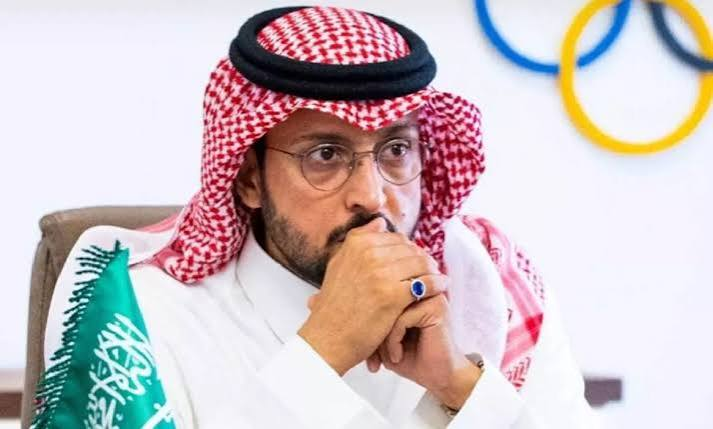
Delivering her findings, Harkin ruled out self-harm as a factor. She noted there was no suicide note, reports from both treatment providers raised no concerns about suicidal intent, and CCTV confirmed he had been alone during his final hours.
Harkin recorded a formal conclusion of death by misadventure — a specific verdict under English law reserved for accidental deaths that result from a deliberate but non-suicidal act, such as recreational drug use that goes wrong. She closed the hearing by extending sympathies to the prince’s family.
Saudi Royal Court’s Response and Funeral
The palace moved quickly to confirm the death publicly, though not immediately. The Saudi Royal Court, via the Saudi Press Agency, announced Prince Abdullah’s death on December 1, 2025, roughly a week after he died — a gap consistent with how the Saudi state typically handles royal deaths abroad, verifying facts before releasing a statement.
A funeral prayer was later held at the Imam Turki bin Abdullah Mosque in Riyadh, attended by members of the royal family and senior government officials. Beyond the formal statement, the family has made no additional public comment on the toxicology findings or inquest.
Understanding “Death by Misadventure” in UK Law
For readers unfamiliar with the British coronial system, “misadventure” is not a vague label — it carries a precise legal meaning.
- It applies when a person dies from a deliberate action that carried a known risk, but they did not intend to die.
- It differs from “accidental death,” which typically involves no risk-taking at all (a fall, for instance).
- It differs from “suicide,” which requires evidence of clear intent to end life.
- Coroners require thorough evidence — toxicology, digital records, CCTV, witness testimony — before recording it.
That evidentiary bar is why the inquest ran for months rather than being resolved quickly after the death.
What This Case Reveals About Royal Privacy and Public Scrutiny
Cases like this sit at an uncomfortable intersection. UK coronial inquests are public by law, meaning even a foreign royal family’s private medical history — treatment centres, prescriptions, psychiatric assessments — becomes part of the public record once a death occurs on British soil.
That transparency is precisely why this case has drawn global attention: it is one of the more detailed public accounts of a Gulf royal’s private struggle with addiction, made available only because the death happened in a jurisdiction that mandates open inquests. For a family that otherwise maintains strict privacy, that is a significant, if unavoidable, exposure.