Iran military says it launched a fresh drone attack on a US base in Kuwait on Friday, widening a war that has run for five months with no clear end in sight. Tehran calls it retaliation. Washington and Kuwait have said nothing official yet.
That silence is becoming a pattern of its own.
What Iran Says It Hit in Kuwait
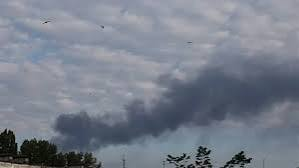
Iran’s army says its latest drone attack targeted “strategic centres” at Ahmad al-Jaber Air Base, a Kuwait Air Force installation that also hosts US personnel. The strikes fell under what Tehran labeled the 27th stage of “Operation Lightning.”
State broadcaster IRIB reported the drones went after fighter jet shelters, satellite communication systems and equipment warehouses. Iran’s army called the base a vital hub for American air support and surveillance work in the region.
Inside the Ahmad al-Jaber Air Base Claim
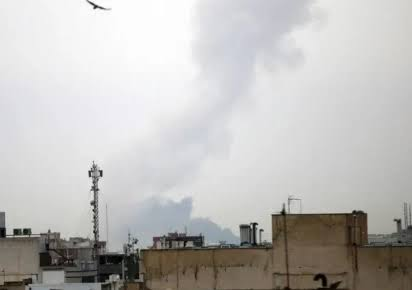
Separately, Iran’s Revolutionary Guard Corps said it had already destroyed two drone hangars and a fuel depot at nearby Ali Al Salem Air Base, another Kuwait-based facility used by US forces. The IRGC framed the strike as a warning, not a one-off.
READ MORE: Israel Says US Bombers Used Its Bases to Strike Ira
Neither claim has been independently verified. No photos of damage at either base have surfaced through open sources, and Kuwaiti authorities have not confirmed impact, casualties or intercepted munitions from Friday’s reported wave.
- Ahmad al-Jaber Air Base — drone strike claimed on fighter shelters, satellite systems, warehouses
- Ali Al Salem Air Base — IRGC claims two drone hangars and a fuel depot destroyed
- Camp Arifjan — hit in earlier waves this month, per Iranian army statements
- Camp Buehring (formerly Camp Udairi) — targeted in prior strikes since February
Table: Kuwait Strikes Iran Has Claimed Since February
| Date | Base Targeted | Iran’s Stated Target |
|---|---|---|
| Feb 28, 2026 | Kuwait Intl Airport, Ali Al Salem | Logistics hub, allied forces |
| Jul 16, 2026 | Camp Arifjan, Camp Doha | Ammunition, logistics depots |
| Jul 24, 2026 | Camp Al-Adiri, Ali Al Salem | Radar systems, ammunition depot |
| Jul 30, 2026 | Ali Al Salem | Drone hangars, fuel storage |
| Jul 31, 2026 | Ahmad al-Jaber | Aircraft shelters, comms systems |
The Qeshm Island Trigger
Iran’s army tied Friday’s strike directly to a US attack on a residential home on Qeshm Island, an Iranian island near the Strait of Hormuz. Tehran has repeatedly framed its Kuwait strikes as direct payback for specific US actions rather than general escalation.
That messaging matters. Each Iranian statement links a base in the Gulf to a specific grievance inside Iran, building a public narrative of proportional response even as the toll on both sides climbs with no sign of slowing.
Bahrain, Jordan and Egypt: The Wider Picture
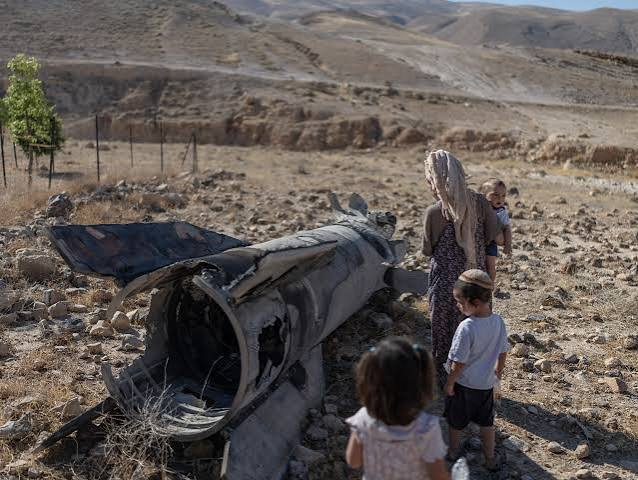
The Kuwait strike didn’t happen in isolation. Iran’s army also claimed attacks on Sheikh Isa Air Base in Bahrain this week, targeting power generators and support buildings. Jordan’s Muwaffaq Salti Air Base has been hit in earlier phases of the same campaign.
Hours before Friday’s Kuwait claim, Egypt reported a drone had struck two ships at its Mediterranean port of Damietta — the first such incident on Egyptian soil since the war began in late February. It marks a geographic widening analysts have been watching closely.
Washington and Kuwait’s Silence
Neither the Pentagon nor Kuwait’s Ministry of Defense has confirmed damage, casualties or even that Friday’s strikes occurred as described. This gap between Iranian state claims and Western confirmation has repeated through nearly every wave of this conflict.
US Central Command has instead detailed its own operations, describing precision strikes against dozens of Iranian military targets, including coastal surveillance sites and logistics infrastructure near Bandar Abbas the retaliatory backdrop Iran cites for its Kuwait claims.
The Human Cost of the Wider War
- Iran’s Health Ministry says at least 35 people have been killed and more than 300 injured since fighting resumed
- Earlier Kuwait-based strikes this year were tied to US and allied casualties, according to open-source tracking
- Kuwait has reported interception of missiles and drones on multiple nights, along with shrapnel damage to civilian infrastructure
- Bahrain and Jordan have both condemned the strikes on their territory as violations of sovereignty
The numbers shift daily. What’s consistent is that civilians on both sides keep absorbing damage that neither government fully accounts for in real time.
What Officials and Analysts Are Saying
US lawmakers have pushed back on any suggestion Tehran is negotiating in good faith. Senator Ted Budd said this week that Iran “has not been sincere” at the table, pointing to a standoff he traced back to 1979 and its cost in American lives.
Regional governments are threading a careful line Bahrain condemned the strikes on its neighbors without directly confronting Tehran, while Kuwait has avoided assigning blame publicly even as its air defenses report repeated interceptions.
What Happens Next
Iran has signaled its drone campaign against Gulf bases hosting US forces will continue “until the complete eviction” of American forces from the region, according to IRGC statements. That leaves little room for a near-term off-ramp.
Friday’s Ahmad al-Jaber claim holds up to independent verification or joins a long list of Iranian statements the US and Kuwait simply never confirm will likely become clear only in the days ahead.
How closely are you tracking the US-Iran conflict’s spread across the Gulf and do you think Kuwait’s bases stay in the crossfire for months to come?