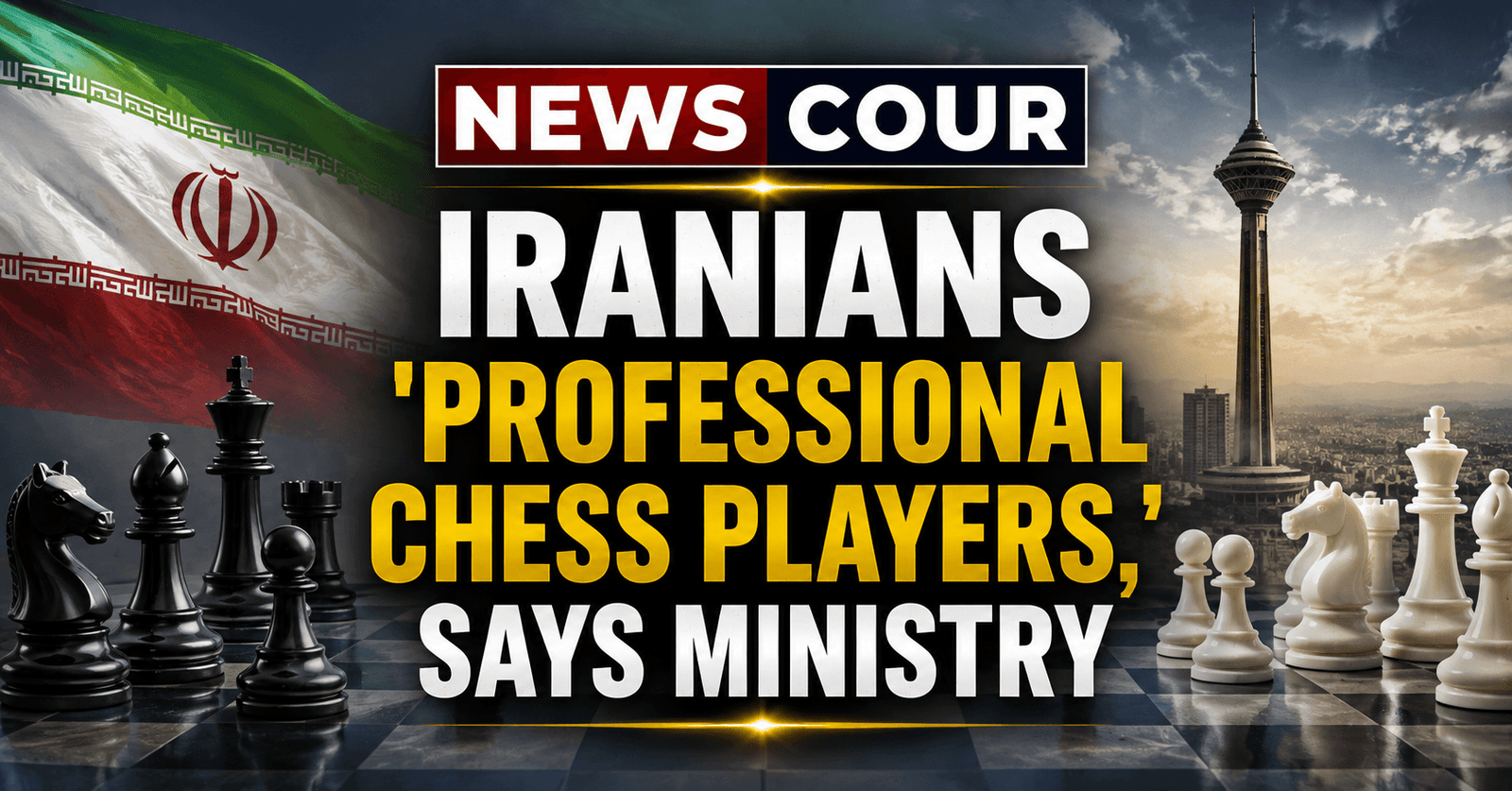
Tehran picked up on a metaphor Donald Trump didn’t expect to see turned back on him. Iranians, the foreign ministry says, are “professional chess players” — and the line landed just as Washington and Tehran circle each other over the fate of one of the world’s busiest oil corridors.
The exchange, small as it looks on paper, says a lot about where this standoff actually stands.
What Iran’s Foreign Ministry Actually Said

Iranians “professional chess players” is now the phrase doing the rounds after ministry spokesman Esmaeil Baqaei used it at a weekly press briefing in Tehran. “Lights out or lights on, Iranians showed they are professional chess players,” he told reporters, framing the country’s negotiating posture as deliberate rather than reactive.
Baqaei’s comment wasn’t a throwaway line. It was a direct reply to President Trump, who had days earlier likened his approach to Iran to a board game. The spokesman also repeated Tehran’s position that the Strait of Hormuz won’t be treated as a safe waterway while what it calls US violations continue.
The Trump Remark That Triggered the Chess Comparison
It started with a phone call. Trump told Axios reporter Barak Ravid on Sunday that the US was “low-keying it” with Iran, adding: “We are only semi-negotiating with them. We are just watching Iran with its huge inflation and the fact they have no money.”
He went further, describing the back-and-forth in exactly the terms Tehran later borrowed. “It will work out. It always works out. It’s like a chess game,” Trump said, arguing Iran was economically cornered and unable to pay its own troops. Baqaei’s rebuttal simply took the analogy and pointed it the other way.
Behind the Standoff: Strait of Hormuz Demands
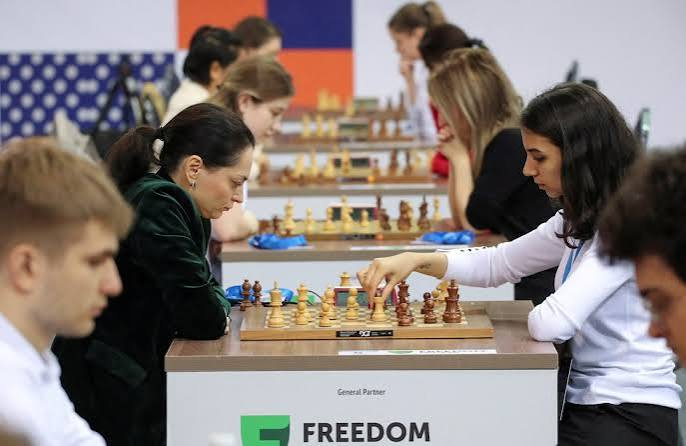
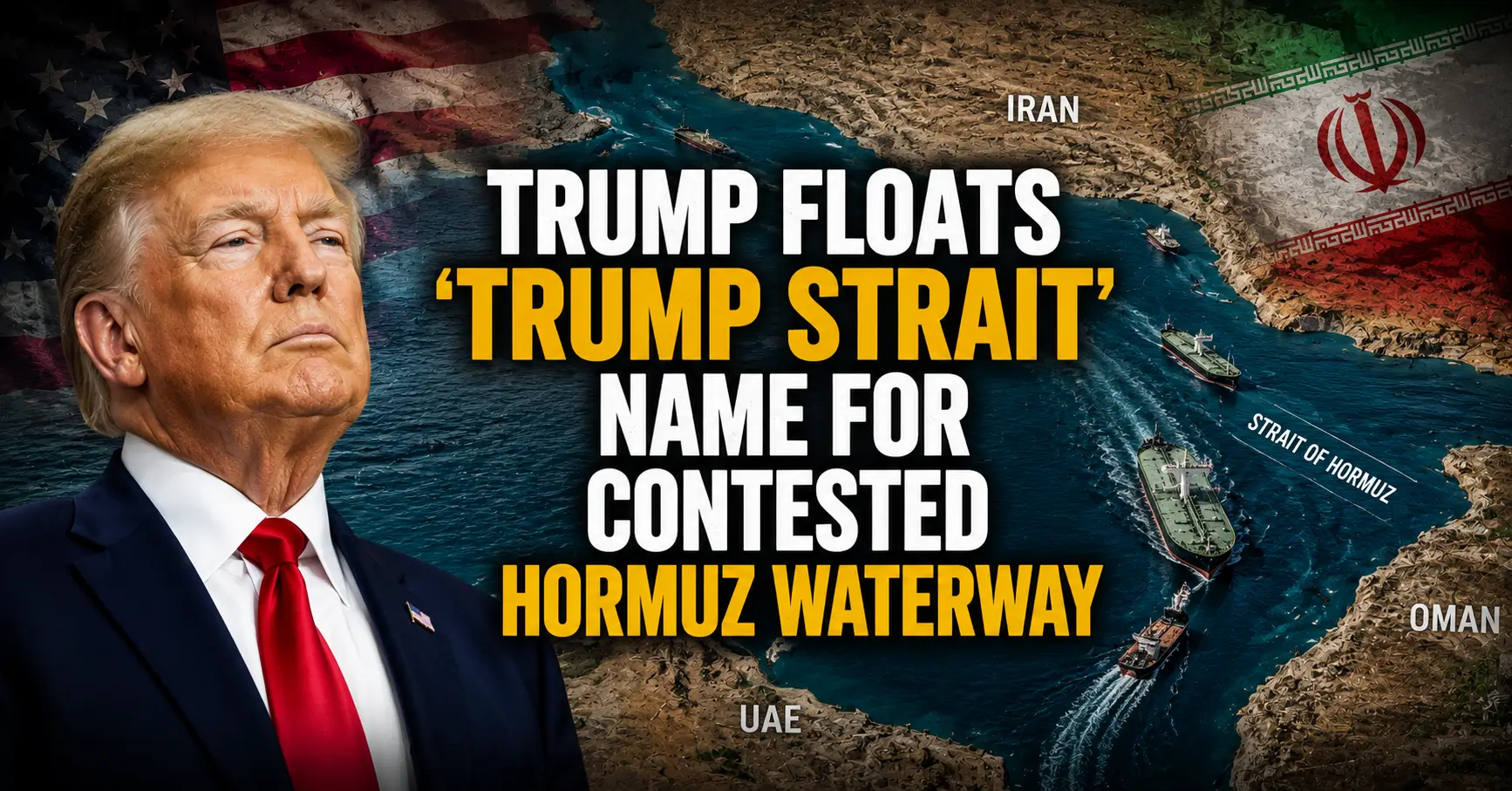
The chess talk sits on top of a real dispute. Iran shut down normal traffic through the Strait of Hormuz after fighting resumed in July, undoing a ceasefire reached in June that had briefly reopened the waterway — a route that typically carries roughly a fifth of the world’s oil shipments.
READ MORE: Malaysia PM Anwar Ibrahim Undergoing Medical Procedures
Foreign Minister Abbas Araghchi says there’s “no possibility” of resuming negotiations until Washington ends what Tehran calls continued violations of that June agreement. Iran’s list of conditions is long, and both sides describe the other as the one stalling:
- End US military strikes on Iran and its regional allies
- Lift the naval blockade around Iranian ports
- Withdraw US military forces from the region
- Remove US sanctions and unfreeze frozen Iranian assets
- Compensate Iran for war-related damage
| Iran’s position | US position |
|---|---|
| Strait stays closed until conditions are met | Applying economic pressure, not new strikes for now |
| No talks while US “violations” continue | Trump calls Iran economically “in very bad shape” |
| Demands tied to Oman-mediated framework | Says deal on Hormuz could be announced “imminently” |
Talks between Iran, Oman, and the US had reportedly come close to a Hormuz agreement, only for Tehran’s new conditions to stall it. Oil was trading a little above $75 a barrel at the time of Trump’s remarks — a level the White House has pointed to as evidence the pressure campaign isn’t hurting American consumers.
Why Iran Reaches for the Chess Metaphor
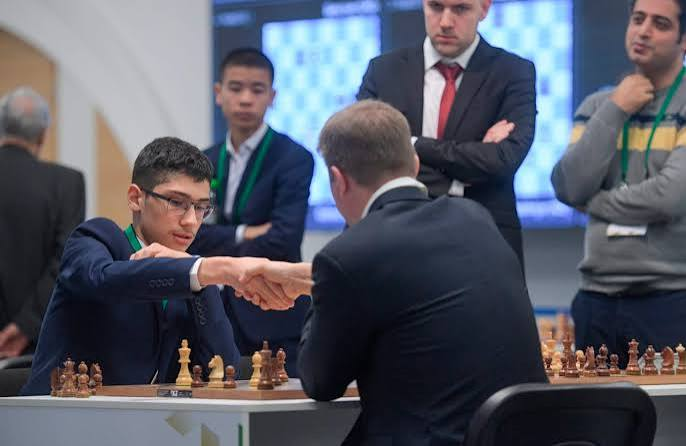
Chess carries specific weight in Iranian public messaging. It’s a sport the country has genuinely excelled at internationally, which makes the metaphor land as pride rather than deflection when officials use it domestically.
That history hasn’t been without friction. Iran’s own chess federation has clashed publicly with star players — including junior world number two Alireza Firouzja, who moved away from playing for Iran over the country’s informal ban on facing Israeli opponents, and Sara Khadem, warned against returning home after competing without a hijab. Officials invoking chess as a symbol of Iranian cunning sit awkwardly next to that record, though it hasn’t stopped the metaphor from becoming a go-to line in Tehran’s rhetorical toolkit.
Using it against Trump specifically reframes the “low-keying it” comment as confirmation Tehran is ahead, not behind, in the standoff — a messaging move aimed as much at a domestic audience as at Washington.
Market and Regional Fallout
The practical consequences are already visible. Oil tankers have been largely unable to move through Hormuz since the closure, and the Pentagon has reportedly told defense contractors to increase weapons production as military stockpiles run down during the broader conflict.
Iran’s Supreme Leader has also replaced his representative on the Supreme National Security Council, a shuffle that comes as the country manages both the economic squeeze and negotiations over the strait. Meanwhile, Iran and Oman have signalled some progress on a separate framework for managing navigation through the waterway, even as Araghchi insists that framework alone won’t reopen it.
What Comes Next
Neither side appears in a rush to blink first. Trump’s team is reportedly weighing whether to declare the standoff resolved once the strait physically reopens, even without a broader deal covering Iran’s nuclear program. Iran, for its part, is tying reopening to a far longer list of conditions than shipping access alone.
The chess line from Baqaei may fade from headlines within days. The dispute underneath it — over a strait carrying a fifth of the world’s oil — won’t.
Faqs About Iranians ‘Professional Chess Players,’
What did Iran’s foreign ministry say about chess players?
Spokesman Esmaeil Baqaei said Iranians are “professional chess players,” responding to Trump’s earlier comparison of the Iran standoff to a chess game.
Why did Trump compare the situation to chess?
Trump used the analogy while telling Axios the US was “low-keying” negotiations with Iran, arguing the country’s economic troubles would eventually force a resolution.
Why is the Strait of Hormuz central to this dispute?
Around one-fifth of global oil shipments pass through the strait. Iran shut down normal traffic there after fighting resumed in July, and reopening it is now tied to a broader list of Iranian demands.
Are the US and Iran currently negotiating?
Foreign Minister Abbas Araghchi says Tehran won’t resume talks until it considers current US violations of the June agreement resolved, though messages are reportedly still passing through intermediaries.