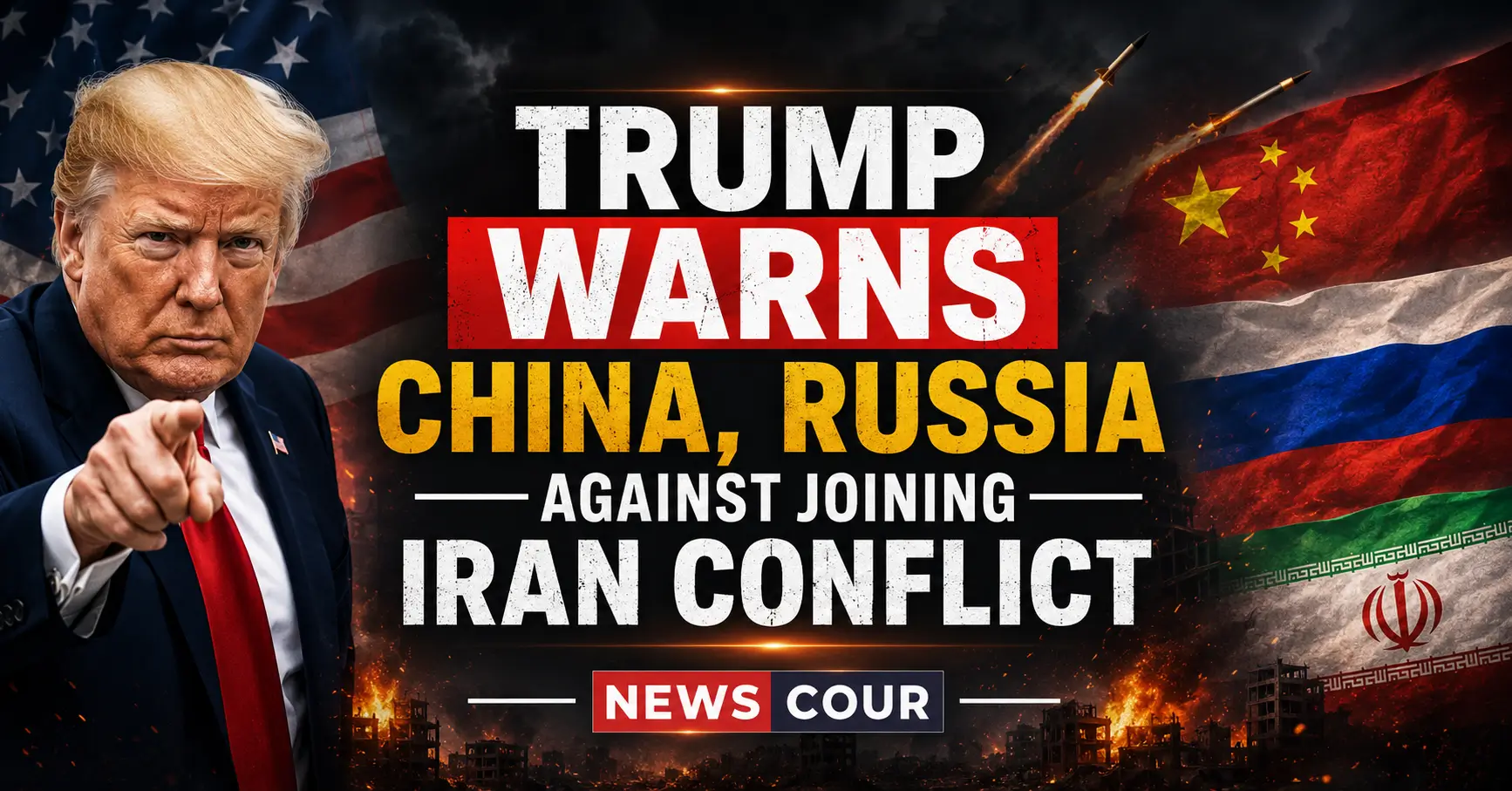
Trump warns China Russia Iran conflict developments took a sharp turn on Friday, as the US president used Truth Social to issue a pointed message to two of Washington’s biggest geopolitical rivals. He said flatly that involvement from either power would carry consequences.
Quick facts:
- Trump said he does not believe China or Russia are currently “participating” in the Iran conflict
- He cited a direct pledge from Xi Jinping made during a Beijing meeting
- Putin reportedly gave a similar assurance despite the ongoing war in Ukraine
- The warning comes five months into the US-Iran war that began February 28, 2026
Trump Warns China, Russia Against Joining Iran Conflict
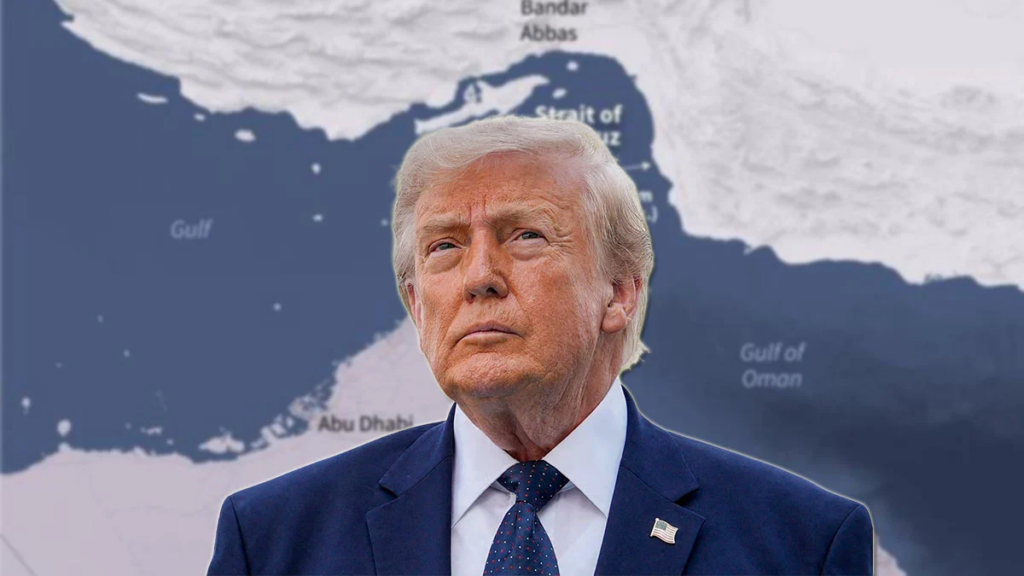
The Trump warns China Russia Iran conflict story broke Friday morning when the president posted directly to his Truth Social account. He wrote that he did not believe Beijing or Moscow were arming Tehran, but made clear that would change fast if either got involved.
His language left little room for ambiguity. “If they did, it would be very bad for them — certainly not in their best interests,” Trump posted, according to reporting from Vanguard News. The statement functioned as both reassurance and threat in the same breath.
What Trump Said About Xi Jinping and Putin
At the center of Trump’s post was a specific claim about his own diplomacy. He said President Xi told him at a recent meeting in Beijing that China would not, under any circumstances, sell or give weapons to Iran — a pledge that extended to Chinese companies as well.
READ MORE: Trump Threatens to Bomb Iranian Bridges, Power Plants
Trump extended the same trust to Moscow. He said Putin made a comparable promise not to sell weapons to Iran, and that he believed neither Russia nor China was currently participating in the conflict. Notably, Trump added he takes Xi at his word “considering our relationship,” a striking line given the trade friction between Washington and Beijing.
Key elements of the exchange:
- Xi’s pledge reportedly came at a Beijing summit, described by Trump as recent
- Putin’s assurance came separately, despite Russia’s own war in Ukraine
- Trump described both countries as “not participating” — for now
Inside the US-Iran War Since February 2026
To understand why this warning matters, the backstory is essential. The conflict traces back to February 28, 2026, when the United States and Israel launched a coordinated military campaign against Iran under the codename Operation Epic Fury.
The opening strikes were devastating by any measure. The initial wave killed Supreme Leader Ali Khamenei and dozens of other officials, and also killed roughly 170 people when a missile hit a girls’ school next to a naval base near Bandar Abbas. Iran did not stay quiet.
| Event | Date | Detail |
|---|---|---|
| Operation Epic Fury begins | Feb 28, 2026 | US-Israel joint strikes hit Iran |
| Khamenei killed | Feb 28, 2026 | Age 86, in targeted strike on his compound |
| Iranian retaliation | Late Feb–Mar 2026 | Missiles and drones hit Gulf states, Israel, US assets |
| Main campaign ends | May 5, 2026 | Operation Epic Fury formally concludes |
Iran launched hundreds of retaliatory missiles and thousands of drones across the Middle East in response, causing enormous damage and displacing millions of people across the region. The war disrupted global shipping through the Strait of Hormuz and rattled energy markets for weeks.
Why Washington Is Watching Beijing and Moscow Closely
The Trump warns China Russia Iran conflict statement isn’t happening in a vacuum. US intelligence agencies have been actively probing whether either country is providing material support to Tehran, and that scrutiny predates Friday’s post by weeks.
Four people familiar with US intelligence said Iranian strikes on CIA targets in the Gulf earlier in the war prompted American intelligence agencies to investigate whether Russia was assisting Iran with targeting information or drone technology. The Kremlin has not addressed the allegation directly.
Reasons this matters strategically:
- Iran’s ballistic missile and drone programs rely heavily on foreign components
- China remains Iran’s largest oil buyer despite sanctions
- Russia and Iran have deepened defense cooperation since 2022
- Any confirmed arms transfer could trigger fresh sanctions or military escalation
Sanctions, Weapons and the Paper Trail
Washington hasn’t relied on words alone. The US has already sanctioned individuals and companies in both Russia and China accused of helping Iran acquire weapons, a fact that runs alongside Trump’s public trust in Xi and Putin’s personal assurances.
That contradiction is worth noting. Sanctions enforcement suggests ongoing concern at the agency level, even as the president publicly vouches for his counterparts. It’s a split that analysts say reflects the gap between diplomatic messaging and intelligence-driven policy.
Expert and Analyst Reading of Trump’s Warning
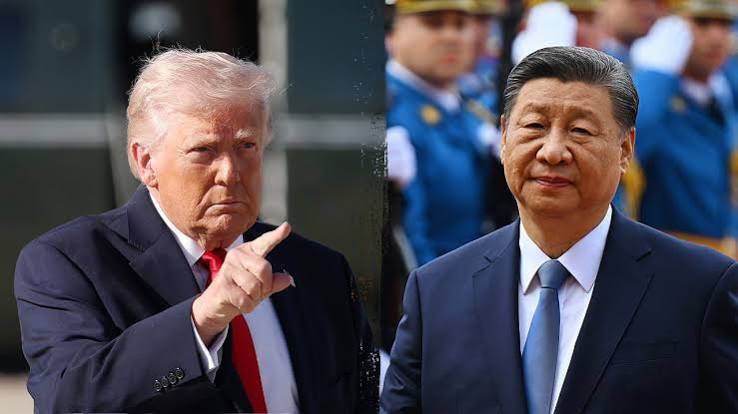
Foreign policy watchers see Friday’s post as calculated signaling rather than a routine update. By naming Xi and Putin directly, Trump personalized the warning — tying compliance to his own relationships with both leaders rather than abstract diplomatic norms.
China, for its part, has previously criticized US actions in the region without directly condemning Iran’s opponents. Chinese foreign ministry spokesman Guo Jiakun earlier accused Washington of “fanning the flames” and warned that threats and pressure would only intensify and widen the conflict, rather than promote de-escalation. That framing suggests Beijing sees itself as a critic of US strategy even while avoiding direct military involvement.
What Happens Next
The coming weeks will test whether Trump’s confidence in Xi and Putin holds up against intelligence findings. If evidence of Russian targeting assistance is confirmed, it could force Washington’s hand toward broader sanctions or a diplomatic rupture.
For now, the situation remains a standoff of assurances. Both Moscow and Beijing have strong economic incentives to avoid direct entanglement in a war that has already destabilized regional energy markets and global shipping routes.