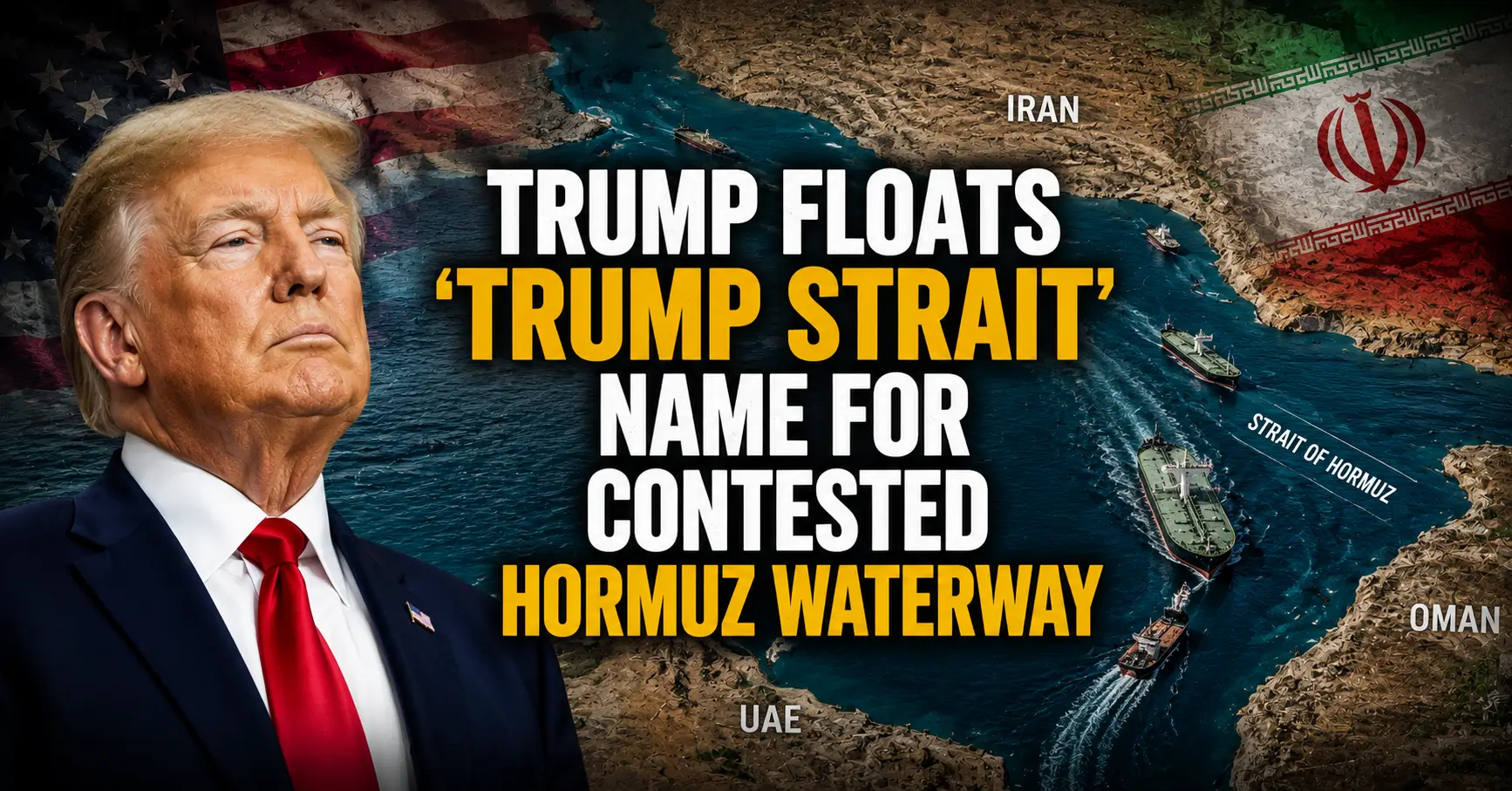
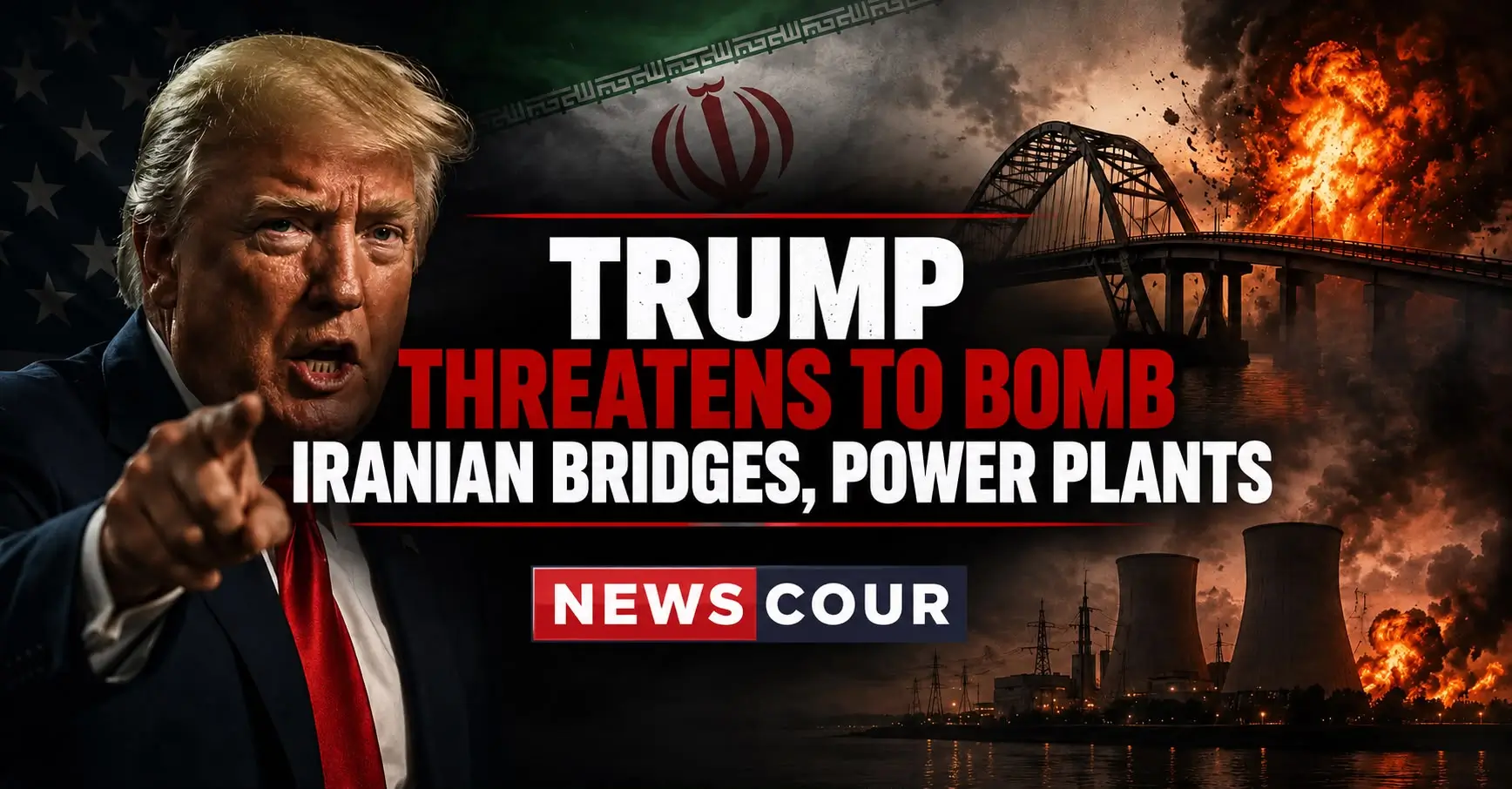
President Trump threatens to bomb Iranian bridges and power plants every time Iran fires on a commercial ship in the Strait of Hormuz a warning that, if carried out, would push an already brutal war into new territory.
The threat landed on Truth Social Wednesday, not as vague bluster but as a specific policy. Trump vowed to destroy an Iranian bridge or power plant, including targets in Tehran, each time Iran attacks a ship in the strait. It’s the kind of line that reads simple on a phone screen and lands like a detonation in Tehran.
What Trump Said — And Why It’s a New Red Line
The wording left little room for interpretation. Trump wrote that from that point forward, any time Iran shoots at a ship in the Strait of Hormuz — by missile, rocket, drone, or any other weapon — the United States will bomb and destroy one bridge or power plant, including those in or near Tehran.
That last part matters. Trump has floated hitting Iranian infrastructure before. But this time he attached a trigger, a target list, and the capital itself.
- Threat applies to every single Hormuz ship attack, not a one-time ultimatum
- Explicitly includes Tehran, previously treated as a harder line to cross
- Comes after 11 straight nights of American airstrikes on Iran
- Follows the collapse of a ceasefire memorandum signed in June
The warning came hours after U.S. forces struck Iran again, Tehran’s air defenses fired over the capital, and Iran launched a missile attack on the Jordanian city of Aqaba, near Israel’s border, with alerts sounding in Bahrain and Saudi Arabia the same night.
Why the Strait of Hormuz Is at the Center of This War
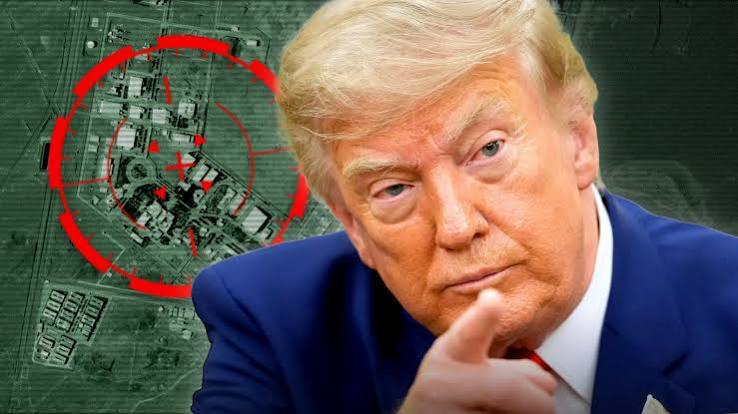
The strait is the reason any of this matters economically. It’s the narrow chokepoint through which a fifth of the planet’s oil moves, and Iran has been using it as leverage.
U.S. Central Command says Iran has attacked more than 30 commercial vessels over the past three months, including several strikes that came after the June ceasefire memorandum was supposed to have ended hostilities. That deal fell apart, and both governments have spent the past 12 days trading fire.
READ MORE: US Strikes Iran Bridges as Tehran Hits Back
The human toll is already real. Eighteen U.S. service members have been killed since the war began, and Trump attended a dignified transfer for troops killed in Iranian strikes this week.
Iran’s Warning: “No Infrastructure Will Be Safe”

Tehran didn’t stay quiet. Officials linked to Iran’s Revolutionary Guard responded within hours, framing the threat as an act that would guarantee a wider war.
Majid Mousavi, head of the IRGC’s Aerospace Force, warned that if Iran’s power stations are struck, countries hosting U.S. troops would face retaliatory blackouts. Separately, the speaker of Iran’s parliament said no infrastructure in the Middle East would be safe if Trump follows through, and the semi-official Tasnim news agency cited a military source threatening to strike regional infrastructure tied to U.S. interests.
This isn’t the first time Iran has promised proportional retaliation. Earlier in the war, Tehran said it would target U.S. and Israeli assets across the region including energy, IT, and desalination infrastructure if its own power facilities were hit.
Key points from Iran’s public position:
- Rejects any Hormuz transit that isn’t coordinated through Iranian arrangements
- Threatens regional blackouts if U.S. hits Iranian power plants
- Warns retaliation could extend to countries merely hosting American forces
- Has continued producing missiles throughout the conflict, according to state media
Oil Markets React to Escalation Fears
Every fresh threat from Washington has moved the oil market, and this one is unlikely to be different. Prices have swung wildly since the war began in late February.
| Date (2026) | Benchmark | Price | Context |
|---|---|---|---|
| Feb 27 | Brent | ~$71 | Day before war began |
| Mar 9 | Brent | $101.19 | First $100+ close in years |
| Mar 22 | Brent | ~$112–115 | Trump’s earlier “obliterate” ultimatum |
| Jun 29 | Brent | $72.91 | Brief ceasefire optimism |
| Jul 8 | Brent | $78.02 | Trump declares ceasefire “over” |
| Jul 13 | Brent | $78.82 | Renewed tit-for-tat strikes |
| Jul 20 | Brent | $89.22 | U.S. vows Iran “will pay” for troop deaths |
Iran’s Houthi allies in Yemen have also declared a maritime embargo against Saudi Arabia, threatening the Bab el-Mandeb Strait as a second chokepoint, which traders are watching as closely as Hormuz itself.
Legal Experts Warn of War Crimes Risk
Not everyone is treating this as ordinary wartime rhetoric. Human rights monitors say deliberately targeting civilian power infrastructure crosses a legal line, regardless of military justification.
Experts have warned that strikes on Iran’s electrical plants, water facilities, and other civilian infrastructure could constitute war crimes under international law. When Trump made a similar threat earlier in the conflict, Amnesty International’s Secretary General Agnes Callamard called the post “revolting,” warning that Iranian civilians would be the first to lose heat, electricity, and water, undermining their basic right to life.
Diplomatically, the door hasn’t fully closed. Secretary of State Marco Rubio said this week that Iran wasn’t being “serious” about a deal, while insisting Washington remained committed to diplomacy.
What Comes Next
Nothing about this war has moved in a straight line, and this threat won’t be the exception. A ceasefire and a major escalation are both still on the table, and which one happens next depends almost entirely on what Iran does at Hormuz in the coming days.
Watch for three things: whether Iran tests the threat with another ship attack, the U.S. actually strikes a target inside Tehran, and whether oil prices keep climbing toward the highs seen in March. Any one of those would reshape the war fast.