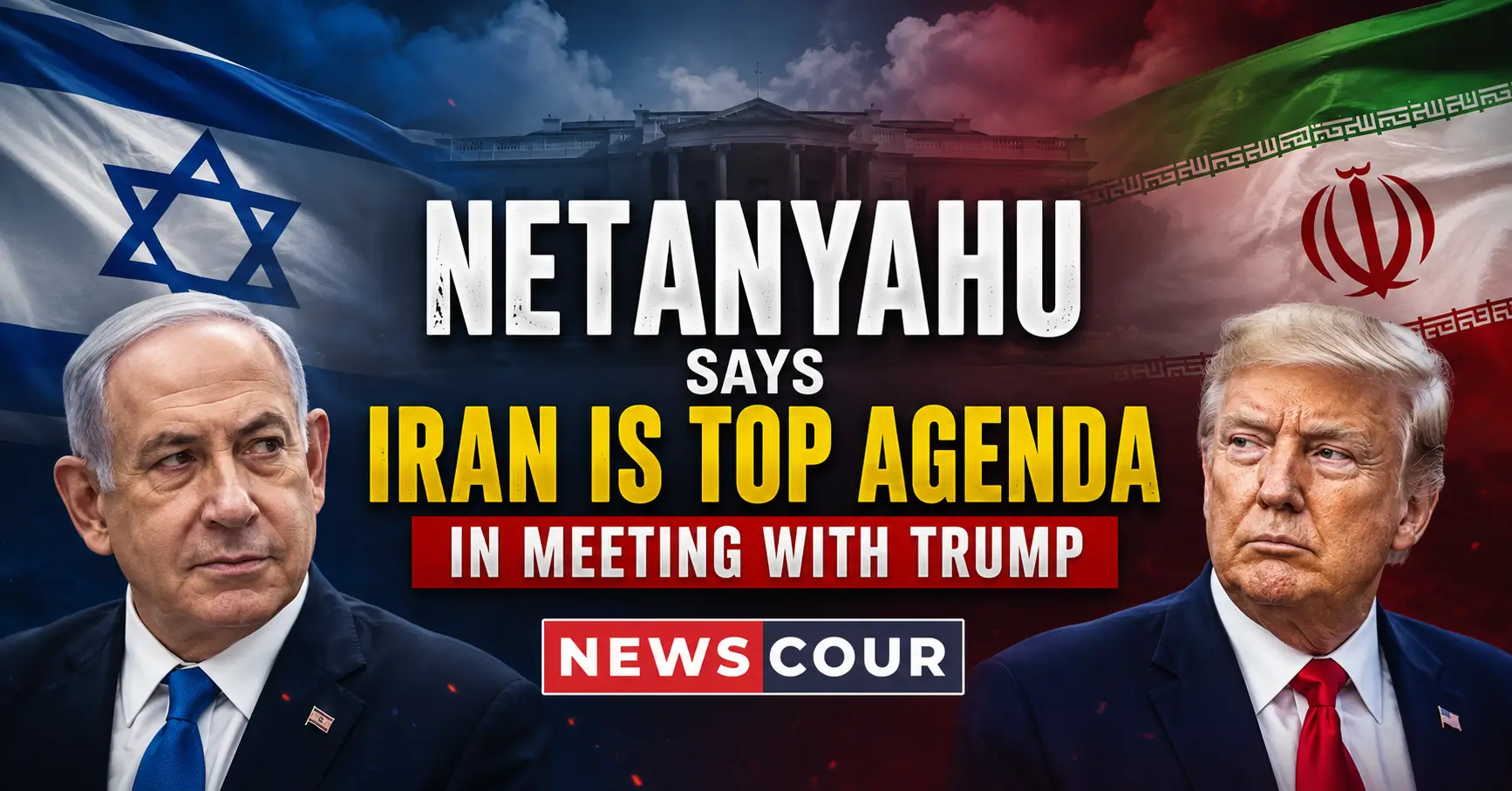
The Netanyahu Iran Trump meeting is now underway in Washington, and Iran sits squarely at the center of it. Israeli Prime Minister Benjamin Netanyahu departed Israel on Monday, telling reporters plainly that Iran would be “first and foremost” on the table.
He boarded Wing of Zion from Nevatim Air Base rather than his usual departure point at Ben-Gurion, a detail Israeli media flagged given reported security concerns. “We will discuss all the issues on the agenda, primarily Iran,” Netanyahu said in a video statement before takeoff.
Why Iran Tops the Agenda Again
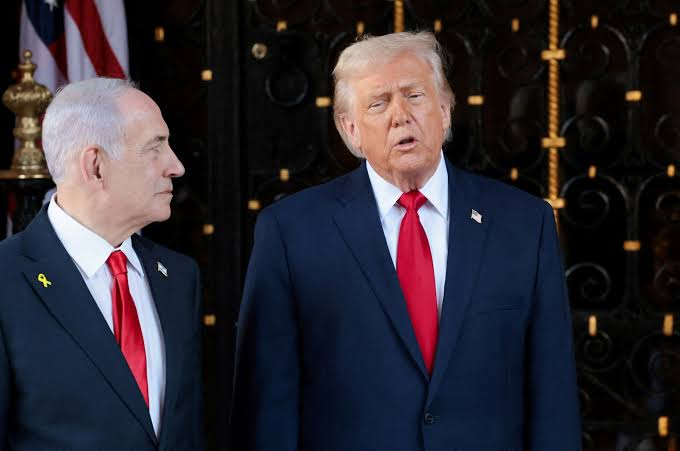
This isn’t Netanyahu‘s first trip to discuss Iran with Trump, but it is his first since a 13-day US-Israeli bombing campaign against Tehran’s nuclear sites shook the region. That campaign, which Trump paused over the weekend, prompted Iranian retaliation against American bases nearby.
Iran has since said it will hold off on further attacks so long as the US pause continues. Israel, notably, hasn’t ruled anything out — officials have warned Tehran that any renewed aggression would draw a forceful response. Key discussion points reportedly include:
- The status of Iran’s nuclear enrichment sites, including the Pickaxe facility near Natanz
- A longer-term ceasefire framework can hold
- Coordination on any future joint military posture
Inside Netanyahu’s Eighth Meeting With Trump
Tuesday’s sit-down marks the eighth meeting between the two leaders since Trump returned to office — more face time than Trump has given any other foreign leader.
Netanyahu called it “our eighth meeting since he was elected to his second term, more than with any other international leader.”
It’s also their first in-person conversation since February, just before the joint US-Israeli air campaign against Iran began. The gap matters: relations between the two leaders have shown visible strain in recent months, including a tense June phone call that Trump himself later confirmed publicly.
Gaza and Lebanon Also on the Table
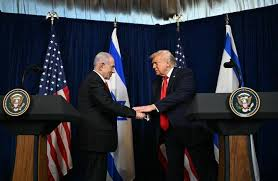
Iran may lead the agenda, but it won’t be the only subject. Israel’s security cabinet voted Sunday to approve limited entry for the International Stabilization Force into Gaza, a move seen as a goodwill gesture tied to Trump’s 20-point peace plan for the territory.
READ MORE: Trump makes long-awaited return to Correspondents’ Dinner
That plan, first unveiled with Netanyahu at the White House, still faces real obstacles. Hamas has refused to disarm, and Israel hasn’t signed off on several provisions, including reconstruction funding. Separately, Israel confirmed on July 21 that it had redeployed some forces in southern Lebanon under a US-backed arrangement, though Hezbollah has resisted giving up its weapons.
Lindsey Graham’s Funeral Adds Weight to the Visit
Netanyahu’s Washington trip carries a personal dimension too. He’s attending the funeral of Senator Lindsey Graham, the South Carolina Republican and longtime Israel ally who died July 11, reportedly from an aortic rupture.
Netanyahu described Graham as “one of Israel’s greatest friends of all time.” Graham spent his final months pushing for Saudi Arabia to join the Abraham Accords and lobbying the Senate to formally back Trump’s Gaza peace framework — an effort that remains unfinished business in Washington.
Netanyahu’s Political Stakes Back Home
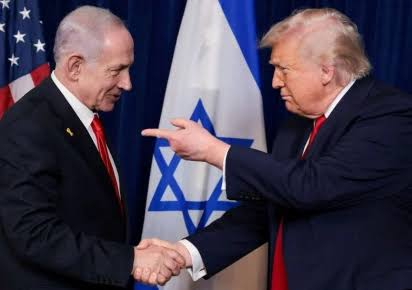
There’s an unmistakable domestic angle here. Netanyahu faces an October 27 election and, according to recent polling, is struggling. A high-profile, cordial appearance alongside Trump is exactly the kind of image his campaign needs right now.
That’s complicated by softening American support for Israel more broadly, and by Netanyahu’s own recent admission that friction has crept into his relationship with Trump. The optics of unity at the White House matter as much as the substance discussed behind closed doors.
| Meeting Detail | Information |
|---|---|
| Meeting number | 8th since Trump’s second term began |
| Last in-person meeting | February 2026 |
| Israeli election | October 27, 2026 |
| Iran campaign length | 13 days, paused over the weekend |
| Related events | Lindsey Graham funeral, Gaza force approval |
What Analysts Are Saying
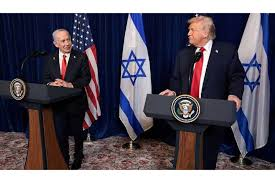
The Council on Foreign Relations noted that Washington’s weighing of “military action or a nuclear deal with Tehran” prompted Netanyahu to move his visit up from later in the month, underscoring how urgent the Iran file has become.
Analysts at outlets covering the region point out that Israel’s absence from the recent US bombing campaign, despite sharing its objectives, hints at diverging tactical calculations between the two allies even as their strategic goals stay aligned.
What Happens Next
Tuesday’s meeting produces a concrete roadmap or simply reaffirms alignment remains to be seen. Analysts will be watching for:
- Any public signal on extending or ending the pause with Iran
- Movement on Gaza reconstruction funding
- Progress, or lack of it, on Lebanon’s disarmament talks
- How the visit plays into Israeli domestic polling over the coming weeks
For now, the Netanyahu Iran Trump meeting stands as a snapshot of a relationship under pressure but still functioning — tested by war, complicated by politics, and closely watched by allies and adversaries alike.