Two closed-door meetings, one funeral, and by the end of the day, a headline both allies badly needed: no daylight between them.
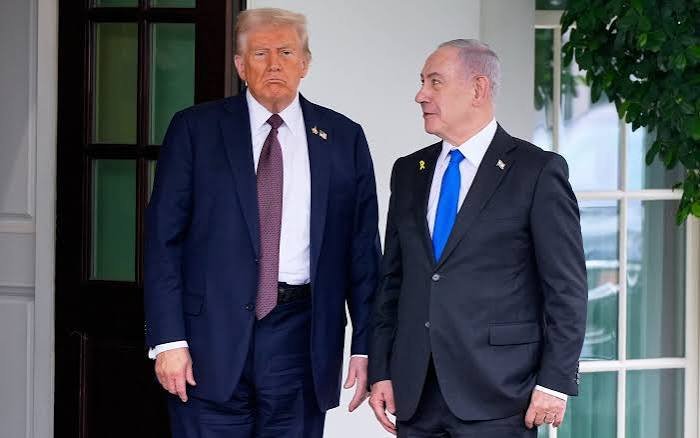
The Trump Netanyahu meeting concluded Tuesday after a 90-minute, closed-door session in the Oval Office that both governments described as positive and productive, a notable outcome given weeks of open strain between the two leaders over how to handle Iran. It was their first in-person meeting since the joint war against Iran began, and it was immediately followed by a separate Trump sit-down with Ukrainian President Volodymyr Zelenskyy. By afternoon, all three men were seated together at Washington National Cathedral for the funeral of Senator Lindsey Graham.
Here is what was actually said behind closed doors, why this particular meeting mattered more than Netanyahu’s previous seven visits, and how Ukraine and the Graham funeral both became part of the same extraordinary day.
What the Trump Netanyahu Meeting Actually Produced
White House press secretary Karoline Leavitt called the talks positive and productive, and Netanyahu, in a video released by his office afterward, called it one of the best conversations the two leaders have had, describing full partnership and mutual support toward the shared goal of denying Iran a nuclear weapon. A large American delegation sat in on the session, including Vice President JD Vance, Secretary of State Marco Rubio, Defense Secretary Pete Hegseth, Treasury Secretary Scott Bessent and envoy Steve Witkoff, alongside Israeli ambassador Yechiel Leiter.
Behind the warm language, Trump did not soften his own position. He confirmed to Fox News that he had personally paused further US strikes on Iran to give negotiations one more chance, while separately renewing an old threat, saying he could take out most of Iran’s bridges in less than an hour if talks collapse. Asked about reports Netanyahu planned to share intelligence on Pickaxe Mountain, a suspected Iranian nuclear site Trump has repeatedly threatened to bomb, the president brushed the moment aside, joking that Netanyahu should have told him privately rather than announcing it to the world.
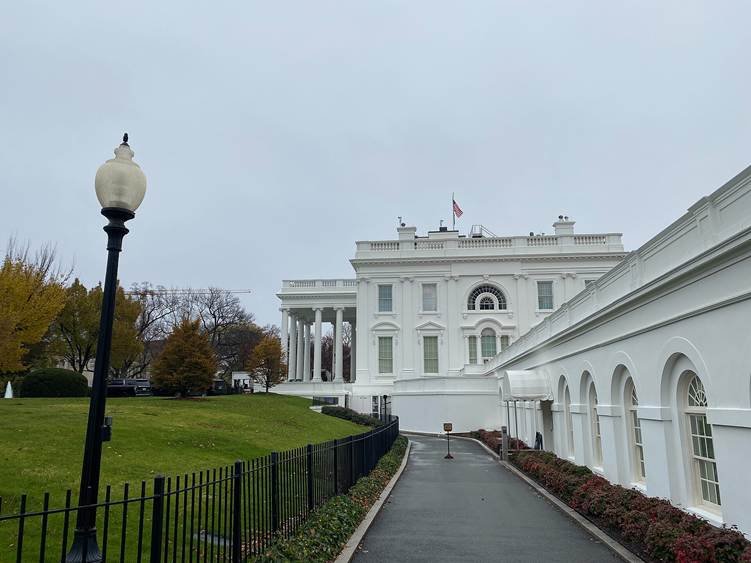
The White House confirmed the Trump Netanyahu meeting ran from 11:03 a.m. to 12:25 p.m. Eastern, a full 82 minutes for a session both sides had described beforehand only as high stakes.
Why This Was Netanyahu’s Most Important Trump Meeting Yet
By Netanyahu’s own count, this was his eighth meeting with Trump since the president’s second term began, more than any other world leader has managed, but it arrived at his most politically fragile moment. Support at home for the Iran war he championed has slipped, backing for the Gaza campaign has fallen sharply in the United States, and Netanyahu faces an October election leading the most right-wing government in his country’s history. Small protests gathered near the White House fencing, with demonstrators chanting that Netanyahu was not welcome, a scene that has followed several of his recent Washington visits.
The Trump Netanyahu meeting was not without its friction points even before it began. Cracks in the alliance had shown even before Netanyahu landed. Asked on Air Force One about Netanyahu’s public criticism of a planned US sale of F-35 jets to Turkey, Trump said flatly that nobody tells him what the country should or should not be selling. Whatever tension existed did not surface publicly once the two men sat down together.
The Same-Day Zelenskyy Meeting and the Funeral That Followed
Trump’s Tuesday was not built around Netanyahu alone. Earlier the same day, he held a separate closed-door meeting with Zelenskyy, continuing discussions on the Russia-Ukraine war just days after Zelenskyy’s own first meeting with new British Prime Minister Andy Burnham in Portsmouth, part of a wider diplomatic push that has also touched the collapse of the Iran ceasefire running in parallel. White House officials described both sit-downs, with Zelenskyy and with Netanyahu, as positive and productive using nearly identical language.
All three leaders then traveled together to Washington National Cathedral for the funeral of Senator Lindsey Graham, a staunch Israel supporter and Iran hawk whom Netanyahu had praised days earlier as one of Israel’s greatest friends since its founding. The funeral briefly united men whose governments remain locked in overlapping, unresolved wars, under the same roof, for the same afternoon.

What Happens Now
The fallout from the Trump Netanyahu meeting reached beyond Washington. Iran was watching too. Foreign Minister Abbas Araghchi spent the day calling counterparts in Oman and Saudi Arabia, saying he was working to restore stability and remove what he called imposed insecurity in the Strait of Hormuz, though neither government issued a public readout. Nothing announced Tuesday amounts to a resolved conflict. What changed is smaller but real: for one day, two leaders under enormous pressure to break with each other chose, in public at least, to stand together instead.
Follow NEWSCOUR for more updates!