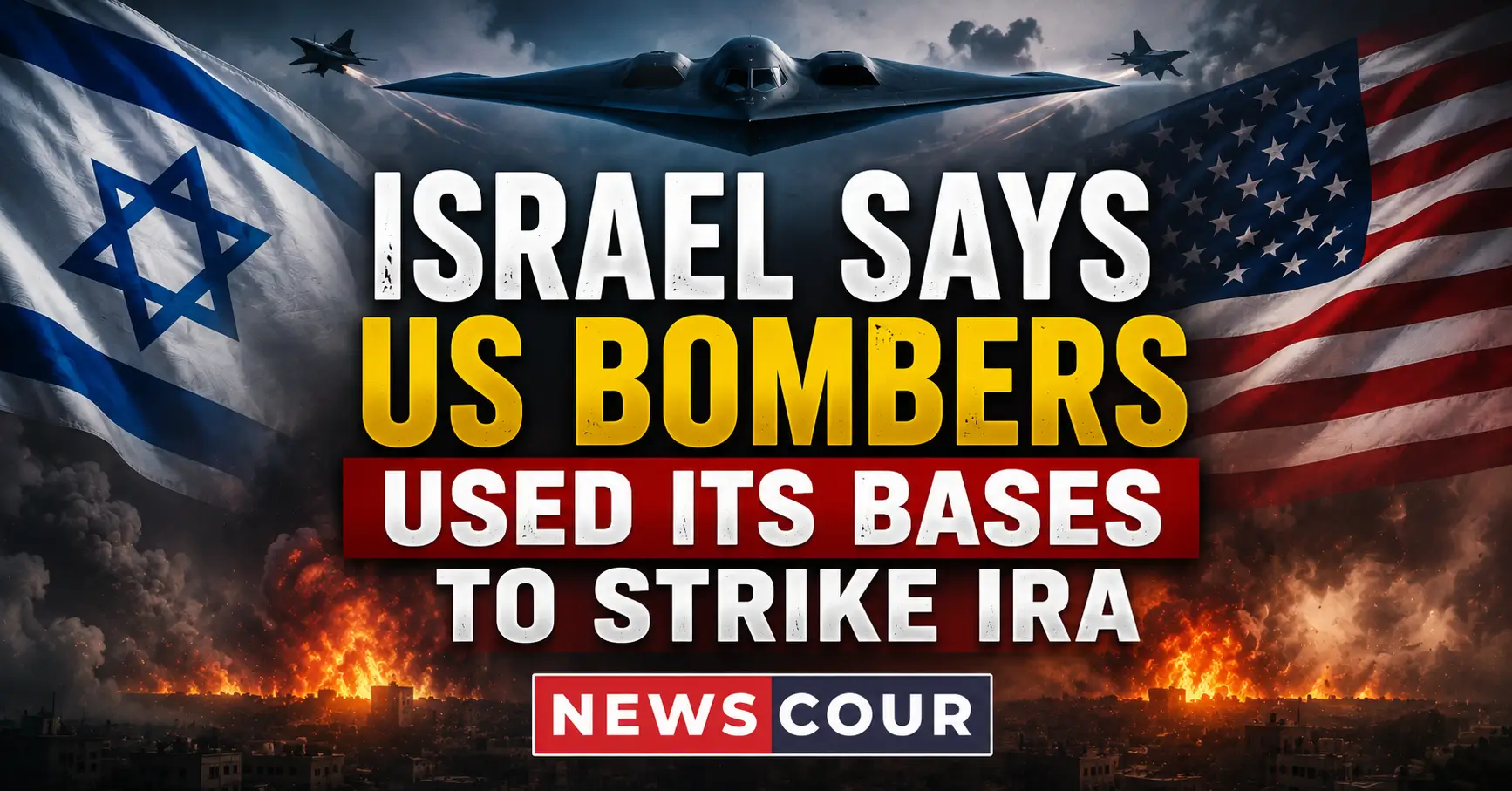
Israel says US bombers used its bases to strike Iran, according to Defense Minister Israel Katz, in one of the clearest public admissions yet of direct military cooperation between Washington and Jerusalem during the ongoing conflict.
Katz made the disclosure on Tuesday, confirming what analysts had long suspected: American warplanes have been flying combat sorties out of Israeli territory against Iranian targets, even as Israel itself avoids direct participation in the latest round of strikes.
What Israel Katz Actually Said
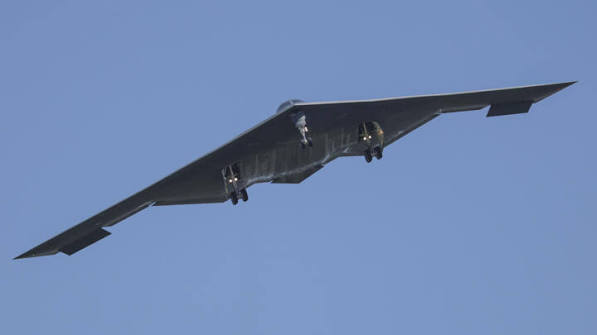
Speaking to Israel’s Channel , Katz confirmed that US warplanes used Israeli bases for the strikes on Iran, while stressing that Israel remained ready to retaliate if it came under attack. The comment was framed as reassurance to an Israeli public watching Iranian missiles hit targets across the region.
He noted that Iran was currently firing at nearly every country in the region except Israel, describing the situation as fluid and capable of changing within the hour. Katz added that Iranian officials are aware American aircraft are taking off from Israeli soil to carry out strikes.
Timeline: How the US-Iran Conflict Reached This Point
The current phase of fighting traces back further than most headlines suggest. Understanding the sequence matters for anyone trying to make sense of where the bombers, the bases, and the ceasefire talks fit together.
- February 2026: The US and Israel launched a coordinated wave of strikes on Iran, opening the current war.
- April 2026: A negotiated ceasefire briefly took hold before collapsing weeks later.
- Late June 2026: A 14-point memorandum was signed, calling for a permanent termination of military operations on all fronts, though it was never formally published in full.
- Mid-to-late July 2026: The US carried out 13 consecutive nights of strikes on Iran before pausing hostilities on Friday.
- July 27, 2026: Iran’s Foreign Ministry said no talks were underway with Washington, insisting Tehran would not let the US dictate the timing of war or peace.
Why Israel Has Stayed Out of Direct Strikes
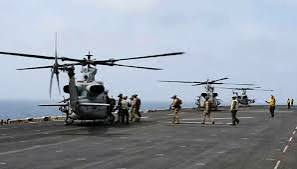
Israel has not taken part in this latest round of hostilities, a notable shift from earlier phases of the war when Israeli jets flew alongside American ones. That restraint appears deliberate rather than incidental.
READ MORE: Oregon Wildfires Million Acre Milestone Hits Early in Season
By staying off the front line while quietly hosting US operations, Israel avoids becoming an immediate Iranian target while still shaping the campaign’s outcome. Katz’s public confirmation suggests Israeli officials no longer see value in keeping that basing arrangement fully secret.
The Strategic Weight of US Basing Rights in Israel
Access to Israeli airspace and airfields shortens flight times for American bombers, reduces refueling needs, and gives US Central Command a forward platform close to Iranian territory. This is not a minor logistical detail — it changes the tempo of any air campaign.
| Factor | Impact of Israeli Basing |
|---|---|
| Flight distance to Iran | Significantly shorter than from Gulf or Diego Garcia bases |
| Refueling requirements | Reduced, allowing faster strike turnaround |
| Political signal | Demonstrates tight US-Israel military coordination |
| Iranian retaliation risk | Raises exposure for Israel despite non-participation |
That last row is the crux of Katz’s warning. He stated plainly that if Israel comes under fire, it will strike back with full force, a position he said had already been announced by both himself and the prime minister.
Diplomatic Fallout and Regional Reaction
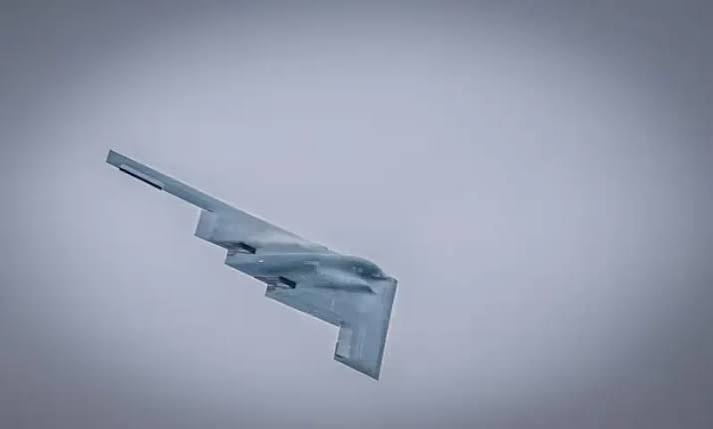
The admission lands at a delicate moment. Iran’s foreign ministry spokesperson said Tehran holds America responsible for what it calls military aggression, adding that current conditions cannot be described as a genuine ceasefire.
Regional mediators have not gone quiet either. Pakistan and Qatar have reportedly been working behind the scenes to bring Washington and Tehran back to a negotiating table after earlier ceasefire attempts unraveled. Their involvement signals that Gulf states view escalation risk as a shared regional threat, not just a US-Iran or Israel-Iran problem.
Key points shaping the diplomatic picture:
- Washington paused strikes but has not declared a formal ceasefire.
- US Ambassador to the UN Mike Waltz said the pause was intended to give talks room to develop.
- Iran denies any active negotiation track with the United States.
- Israel remains formally outside the fighting but is now confirmed as a launch platform.
What Comes Next for the Ceasefire Talks
President Trump voiced optimism this week about the prospects for a negotiated peace deal with Iran, even as both sides held their fire for a third straight day. Optimism from Washington, however, has not been matched by Tehran’s public posture.
Separately, US-brokered talks tied to the wider regional framework are scheduled to continue. A State Department official said Rome talks set for August 4-6 will focus on advancing a comprehensive peace and security agreement, including resolving outstanding border issues. Whether that framework can absorb the Iran track remains an open question.
For now, the confirmation that US bombers are operating from Israeli bases adds a new variable to an already fragile pause. If Iran responds to that revelation with retaliation against Israel, the region could see a rapid return to open conflict.