The headline number held steady. The number underneath it did not, and it is the one that should worry anyone filling a gas tank or grocery cart this year.
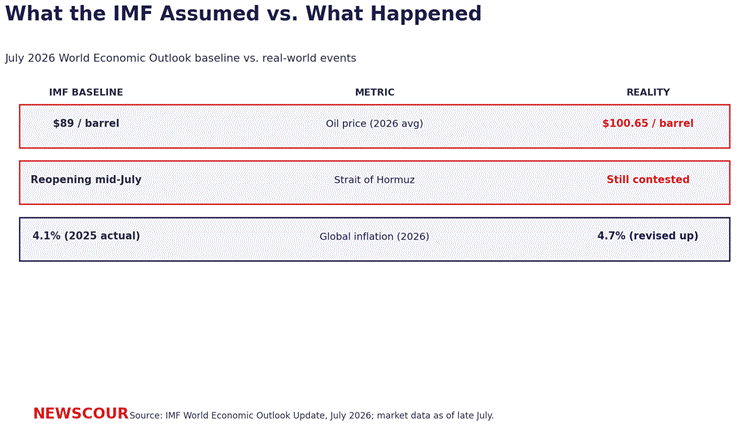
The IMF global growth outlook released this month projects the world economy will grow 3.0 percent in 2026 and 3.4 percent in 2027, broadly unchanged from the fund’s April forecast. But buried in the same update, global headline inflation was revised upward, from 4.1 percent in 2025 to an expected 4.7 percent in 2026, before easing to 3.9 percent in 2027. The Fund is direct about the reason: what it calls the war shock, meaning the Iran conflict and the oil price disruption that followed it.
Here is what the IMF actually assumed when it built this forecast, why several of those assumptions have already been overtaken by real events, and what that gap means for the rest of the year.
What the IMF Global Growth Outlook Actually Assumed
Forecasts are only as good as their inputs, and the Fund was unusually specific about its own. According to the IMF’s own briefing, the July update’s commodity price assumptions were based on market pricing as of June 10, which implied an average oil price of 89 dollars a barrel for 2026. The Fund’s baseline scenario went further still, assuming the Strait of Hormuz would begin reopening in mid-July, with shipping conditions normalizing to pre-war levels by March 2027.
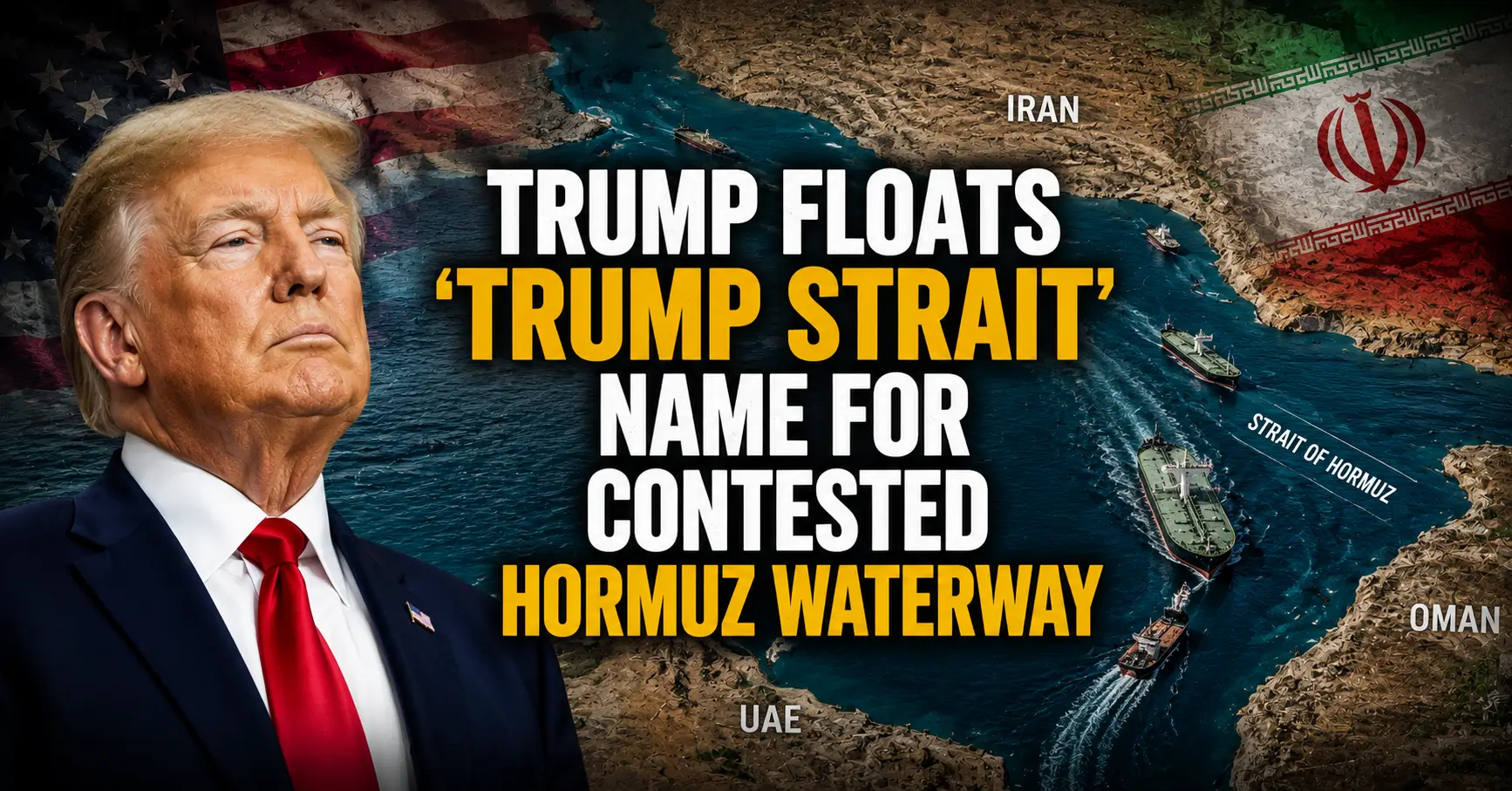
Both assumptions were reasonable when they were written. Neither has held up. Brent crude has already traded above 100 dollars a barrel this month after Houthi attacks opened a second front in the Red Sea, and the Strait of Hormuz remains contested rather than reopening on schedule. The IMF’s own forecast, in other words, is already running behind the war it was trying to model.
Why the IMF Global Growth Outlook Still Held Growth Steady
Despite the miss on oil and the strait, the Fund’s overall growth number barely moved, and its own briefing explains why. Inventory drawdowns, expanded oil production outside the Gulf, and demand-softening measures kept a larger price spike from materializing earlier in the year, while a steady rise in renewable energy’s share of the global mix, combined with economies burning less energy per unit of output than a few years ago, has made growth more resilient to energy shocks than it once was. Financial conditions, which tightened sharply in April, have since eased and remain supportive by historical standards.
The IMF also flagged AI-driven technology demand as a genuine offsetting force, lifting countries integrated into global technology supply chains even as the war shock weighs on energy importers and more vulnerable economies. Growth in emerging and developing economies is projected to slow to 3.8 percent this year before recovering to 4.5 percent in 2027, a split outcome that depends heavily on how exposed each economy is to both the war and the AI investment boom.
Where the IMF Global Growth Outlook Sees the Real Pain Landing
The IMF global growth outlook makes clear the war shock is not falling evenly across countries. India’s 2026 growth forecast was trimmed by 0.1 percentage point to 6.4 percent, with IMF economists pointing directly to higher baseline energy prices and the greater pass-through of those oil costs to pump prices for Indian consumers, an effect our own reporting on the global fuel crisis and the days oil prices later spent trading above 100 dollars a barrel has tracked in real time. Encouragingly, the same IMF briefing noted 2027 growth for India was revised upward, as resilience in recent economic data partly offsets the near-term energy drag.
The Fund’s broader risk assessment reads as more balanced than in April, but still tilted to the downside, warning that renewed Middle East conflict could extend commodity price volatility further, threaten supply chains, and weigh on financial conditions, alongside separate risks from accelerating trade fragmentation and a possible correction in AI-driven technology valuations.
What Happens Now
The IMF’s baseline already looks stale on two of its most consequential inputs within weeks of publication, which says less about the Fund’s modeling and more about how fast this particular war has moved. Whether the rest of 2026 tracks closer to the Fund’s resilient 3.0 percent growth story or to the inflationary drag its own war shock language describes will depend on questions the July update could not yet answer: whether Hormuz reopens, whether the Red Sea escalation spreads further, and whether oil settles back down or keeps climbing toward the triple digits it has already reached.
Stay with NEWSCOUR for the latest on the war moving the world economy.