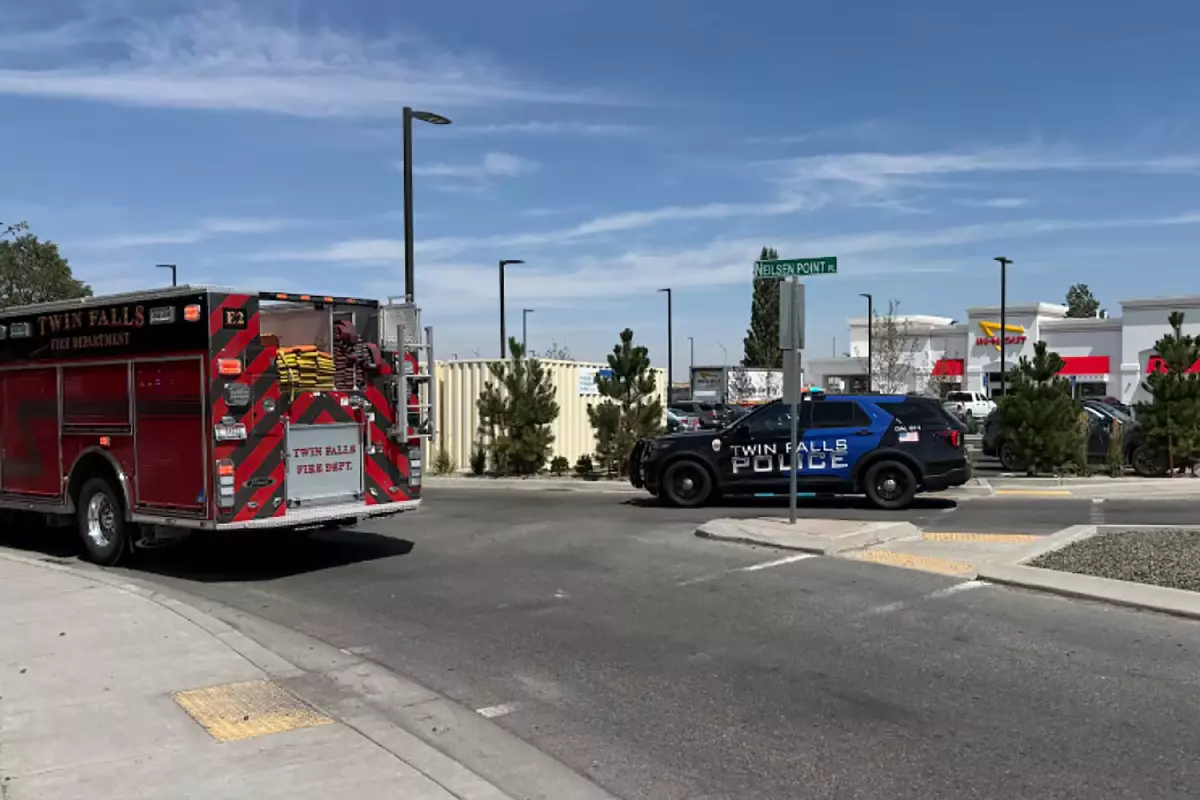
The Idaho In-N-Out shooting turned an ordinary Saturday lunch into one of the deadliest attacks the state has seen in years. A gunman opened fire outside a newly opened restaurant in Twin Falls, and by the time it was over, three people were dead and seven were wounded.
Here is what happened, who the police have named, and why two armed strangers are being credited with stopping something far worse.
What Happened in the Idaho In-N-Out Shooting
Police in Twin Falls began receiving 911 calls at about 2:29 p.m. on Saturday, August 1. Dispatchers could hear screaming and gunshots in the background as callers reported an active shooter at the In-N-Out Burger on Blue Lakes Boulevard.
Officers arrived to a scene the police chief later called one of the most chaotic a law enforcement officer can face in a career. The restaurant sits inside an outdoor shopping center, and terrified shoppers scattered as the gunfire echoed across the parking lot.
Three people were killed and seven others were wounded. Two of the wounded remained in critical condition a day later, three were listed as stable, and two were treated and released.
The Suspect and What Police Have Said
Twin Falls Police Chief Matthew Hicks identified the gunman as 24-year-old Chad Williams. Williams died at the scene from a self-inflicted gunshot wound, according to police.
Investigators say they are confident Williams acted alone, and his family is cooperating with the inquiry. A motive is still under investigation, and the FBI is assisting local officers. Federal agents outline how they support local investigations like this one on the FBI website.
Police also pushed back on social media posts that named the wrong person as the shooter. The department asked the public to stop spreading unverified claims while the investigation continues.
The Bystanders Credited With Saving Lives
The most striking detail of the Idaho In-N-Out shooting is how it ended. An off-duty Idaho State Police trooper and an armed civilian confronted Williams and returned fire as he moved through the drive-thru.
Hicks said those actions drove the gunman from the scene and likely prevented further casualties. One witness at a nearby stoplight described the shooter as panicked and moving erratically once the return fire began.
The bravery came at a cost. One of the wounded was a civilian who came face to face with the gunman while deliberately choosing not to draw his own weapon, so responding officers would not mistake him for the attacker.
Officers from neighboring departments in Meridian, Caldwell and Nampa were sworn in to help state police patrol the city in the hours that followed. A nearby mall and a Chick-fil-A closed as a precaution while a shelter-in-place order was in force, and the order was later lifted once the scene was secured.
A Community in Mourning
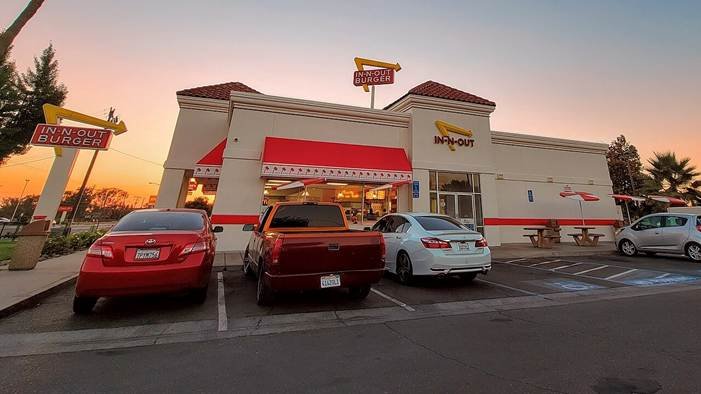
In-N-Out confirmed that one of the dead was an employee at the Twin Falls location, which had opened only a week earlier on July 24. The company’s president said her heart was broken for the victims and their families.
Among the wounded was a local taxi company owner who was shot while charging his car nearby. Friends launched a fundraiser to help cover his recovery and to support the families of the others caught in the attack.
Twin Falls sits about 120 miles southeast of Boise, a mid-sized city unaccustomed to violence on this scale. For a town where a new burger restaurant was recent news, the shooting has left a wound that will take far longer to heal than the headlines.
The armed-response element echoes a wider debate playing out across the country over how these attacks unfold and end. For more on recent US public-safety enforcement, see our report on the Sinaloa cartel arrest in Mazatlan.
For now, Twin Falls is doing what wounded towns do. It is grieving three neighbors, thanking two strangers, and waiting for answers that may never fully explain a Saturday afternoon that should have been unremarkable.