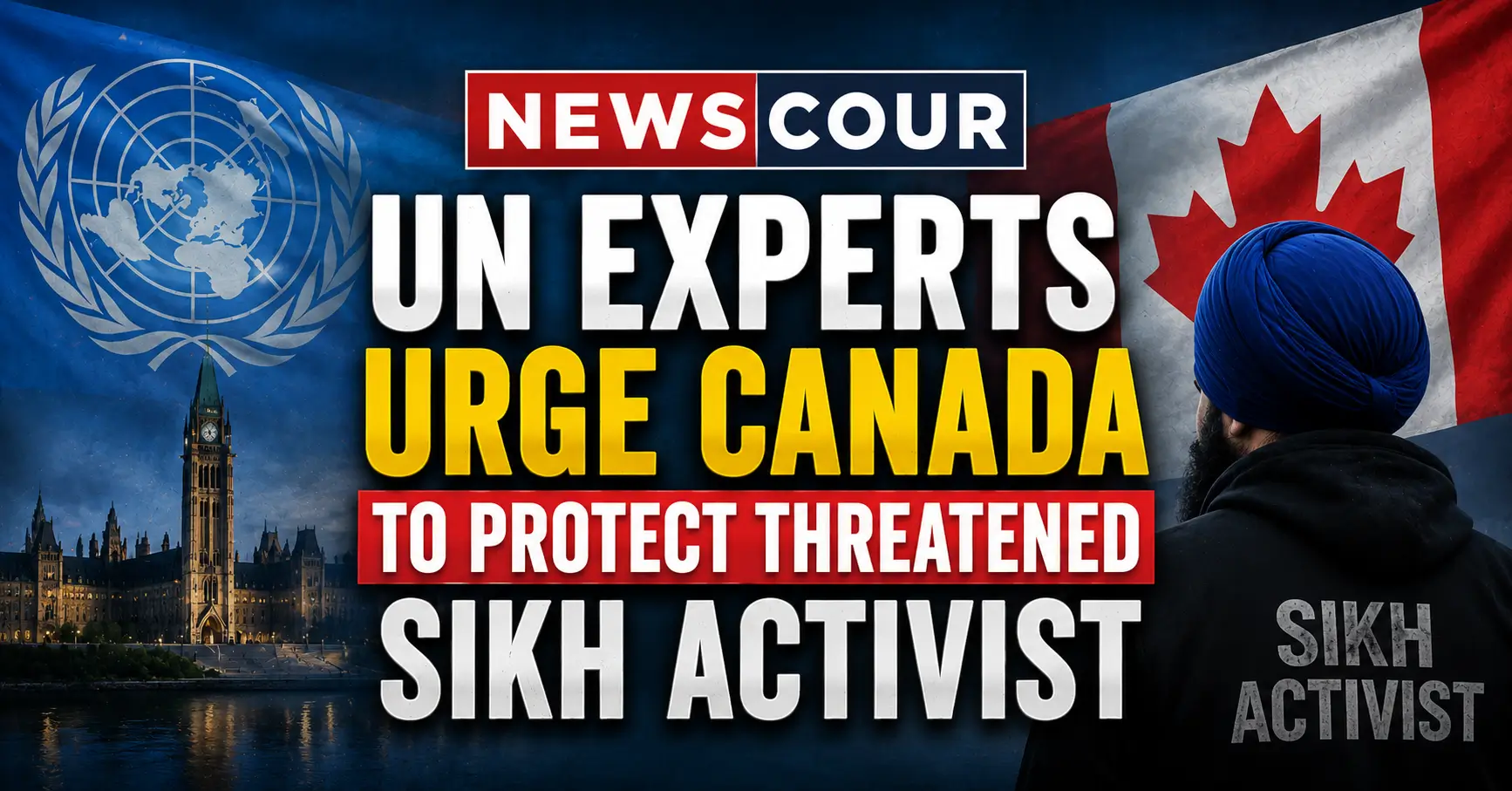
Five UN experts urge Canada to protect Sikh activist Moninder Singh after Canadian authorities warned him four separate times that his life was in danger. The warnings, spanning nearly four years, have drawn fresh international scrutiny to Canada’s handling of alleged foreign-directed violence on its own soil.
The intervention lands at a delicate moment. Ottawa has spent the past year quietly rebuilding ties with New Delhi even as the underlying security concerns that fractured the relationship in 2023 remain unresolved for the activists living with them daily.
Who Is Moninder Singh, the Sikh Activist Facing Threats
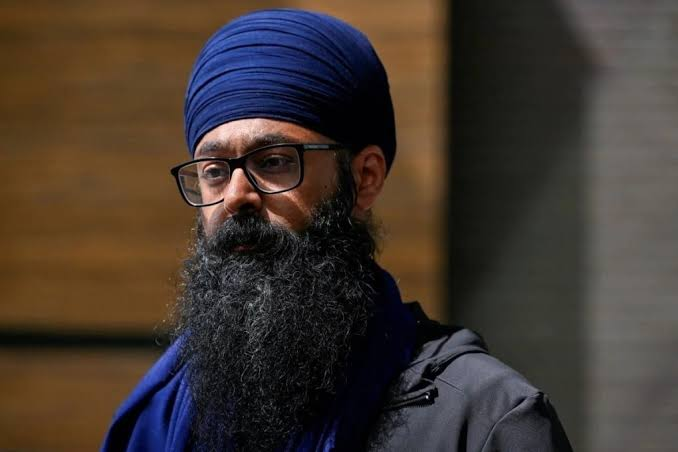
Singh, 44, chairs the Sikh Federation of Canada and serves as spokesperson for the BC Gurdwaras Council. He lives in Surrey, British Columbia, home to one of the largest Sikh populations outside Punjab, India.
He has spent years publicly advocating for an independent Sikh homeland known as Khalistan, while also campaigning internationally against what he calls India’s campaign of intimidation targeting diaspora activists abroad.
Inside the UN Letter Urging Canada to Act
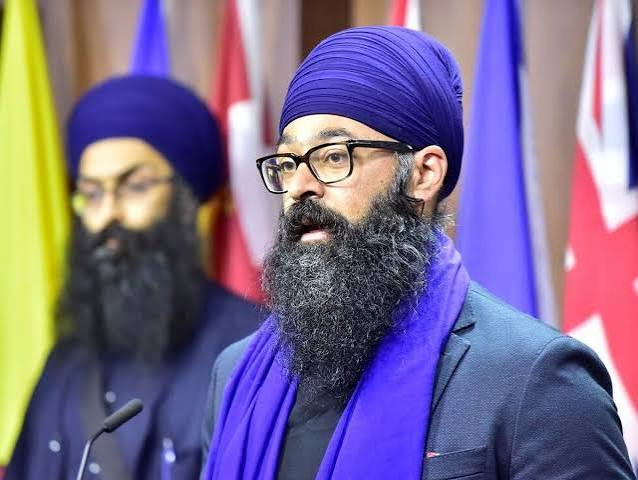
Dated June 3 and made public roughly two months later under standard UN disclosure procedure, the letter raises “concerning allegations of foreign intimidation and reprisals” against Singh, a Canadian citizen with no criminal record tied to these threats.
It calls on Canadian authorities to “take all feasible measures” to protect Singh and his family, accelerate investigations, hold perpetrators accountable, and prevent further reprisals against similarly situated individuals across the country.
The letter was jointly signed by rapporteurs covering:
- Human rights while countering terrorism
- Freedom of peaceful assembly and association
- Human rights defenders
- Freedom of religion or belief
- Promotion of a democratic and equitable international order
A copy was also forwarded to the Indian government, which has consistently denied any involvement in threats against Sikh activists living overseas.
Duty-to-Warn Notices Since 2022
Canadian police issue “duty to warn” notices when they possess credible intelligence that a specific person’s life is in imminent danger. Singh has now received four such notices, more than almost any other public figure in the country.
| Date | Event |
|---|---|
| July 2022 | First duty-to-warn notice issued to Singh and Hardeep Singh Nijjar simultaneously |
| June 2023 | Nijjar assassinated outside Surrey gurdwara |
| August 2023 | Second warning issued to Singh following Nijjar’s killing |
| March 2025 | Third warning issued amid renewed threat reporting |
| 2026 (pre-June) | Fourth notice, reportedly extending threats to his wife and children |
The Hardeep Singh Nijjar Case and Its Shadow
Nijjar, a close friend of Singh and president of a Surrey gurdwara, was shot dead outside the temple in June 2023. Then-Prime Minister Justin Trudeau publicly linked Indian government agents to the killing months later.
READ MORE: Trump’s Iran War: On-Again, Off-Again, in His Words
Canadian intelligence officials subsequently repeated that assessment before parliamentary committees. India rejected every allegation, calling the accusations politically motivated and unsupported by any evidence Ottawa has publicly produced.
India-Canada Relations: From Rupture to Cautious Reset
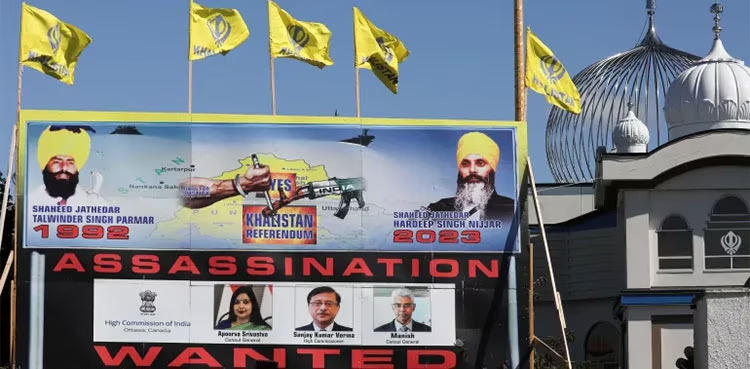
The Nijjar fallout triggered a diplomatic collapse in 2024, with both countries expelling senior diplomats and freezing high-level engagement. Trade talks stalled, and travel advisories on both sides grew noticeably more cautious.
Ties began thawing after Prime Minister Mark Carney took office, culminating in a March visit to India and new trade agreements. Critics argue Ottawa softened its public threat assessments to smooth that reset.
A Wider Pattern of Transnational Repression, Say Experts
The UN letter frames Singh’s case as part of a broader pattern rather than an isolated incident. Canadian officials have separately testified about intelligence-gathering networks allegedly directed against Sikh community members nationwide.
Cases cited by advocacy groups and Canadian officials include:
- The 2023 FBI-disrupted plot targeting activist Gurpatwant Singh Pannun
- Testimony that a senior Indian minister ordered surveillance operations in Canada
- Alleged use of proxy criminal networks, including organized crime groups, for intimidation
- Threats reportedly extending to federal NDP leader Jagmeet Singh
Reactions From Singh and Sikh Advocacy Groups
Singh told AFP the UN letter was “a stark reminder of how far the Indian state is willing to go to silence Sikh voices advocating for self-determination,” adding that a foreign state acting violently on Canadian soil signals a serious protection failure.
“I refuse to be intimidated into silence,” Singh said. Advocacy organizations, including the World Sikh Organization of Canada, have echoed that sentiment, warning that renewed diplomatic warmth should not come at the expense of citizen safety.
What Happens Next
Canada now faces pressure to respond formally to the UN letter, a process that typically unfolds over several months and may include a written reply outlining protective measures already taken.
Whether Ottawa’s improving relationship with New Delhi affects the tone or urgency of that response remains an open question, one likely to shape how diaspora communities view their government’s priorities going forward.