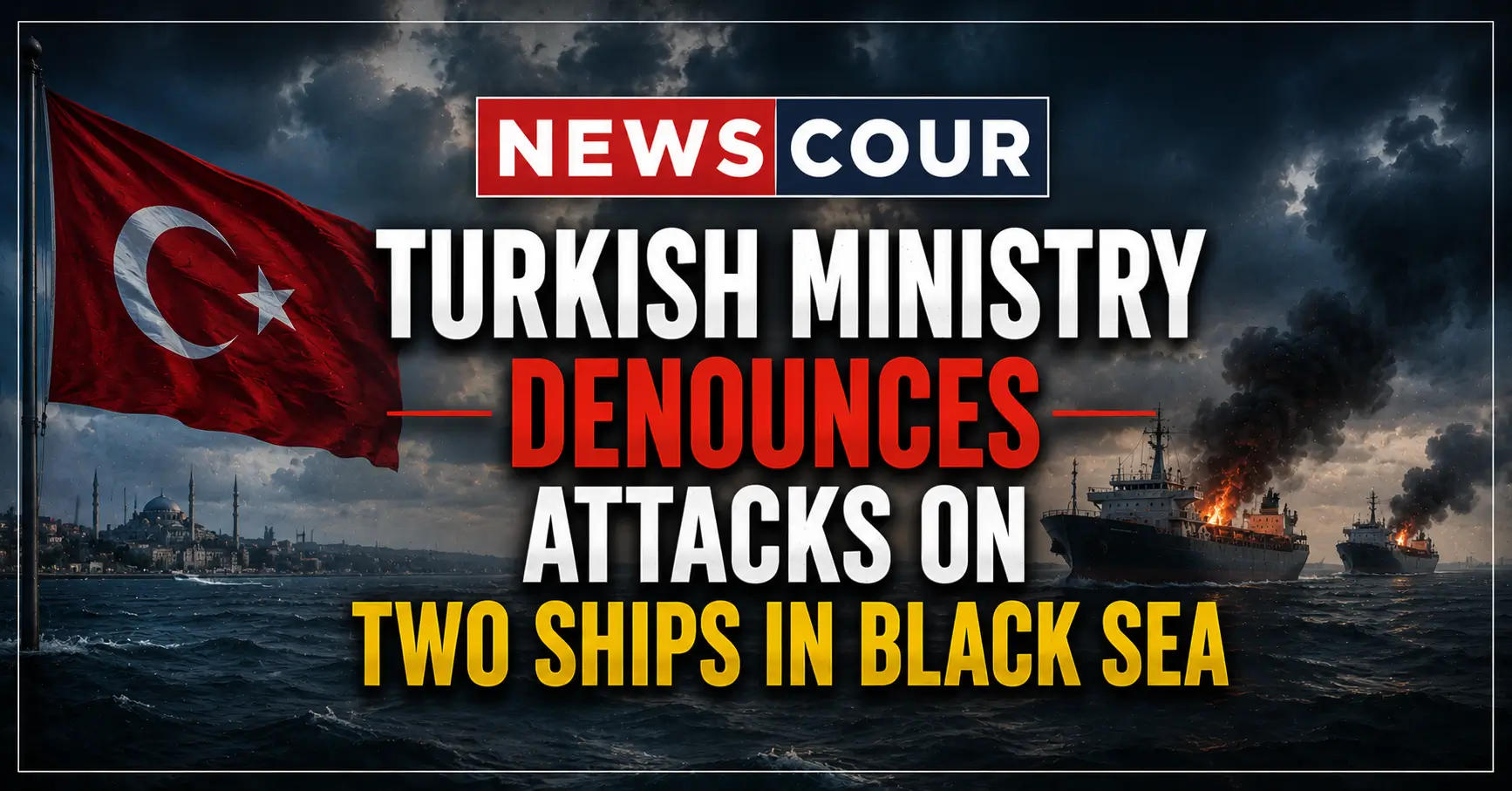
Turkish ministry denounces attacks on two ships in Black Sea, marking the latest flashpoint in a conflict that keeps spilling into civilian waters. The strike, confirmed Tuesday, left several crew members wounded and reignited warnings from Ankara that have so far gone unheeded.
Drone Strike Leaves Crew Injured Off Novorossiysk
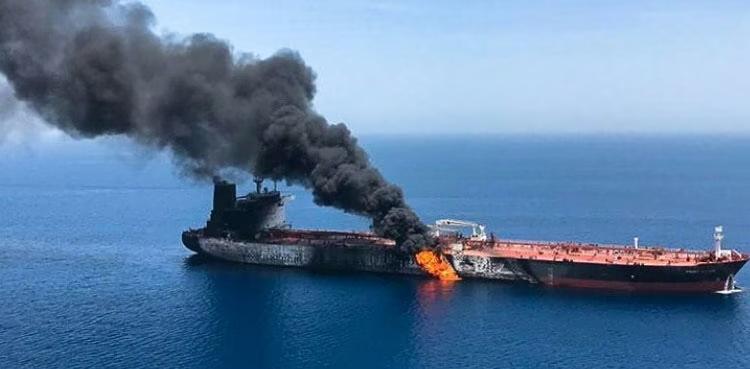
The attack happened late Monday, shortly after two vessels departed the Russian port of Novorossiysk. Turkish officials identified the ships as Yasar and Nadezhda sailing under Panamanian and Cameroonian flags but owned by Turkish companies.
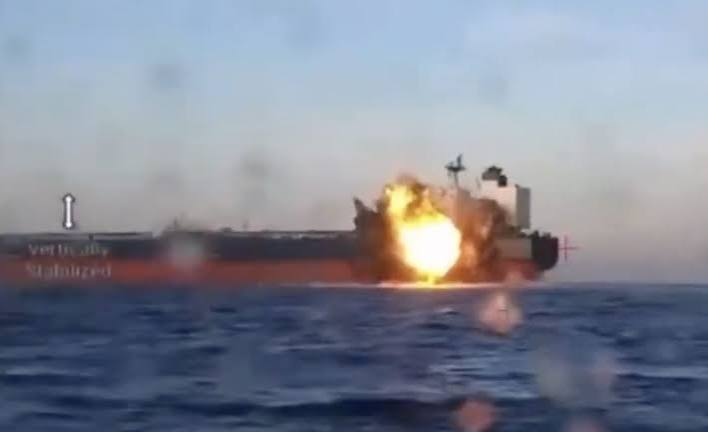
Both vessels came under drone fire in open water. Crew members, including Turkish nationals, sustained injuries. The foreign ministry said their condition is “being closely monitored,” though it stopped short of disclosing the full extent of the casualties.
- Two civilian ships targeted: Yasar and Nadezhda
- Attack occurred roughly 30 nautical miles from destination
- Vessels were en route from Turkey’s Samsun port
- Crew injuries confirmed, no fatalities reported
What Turkey’s Foreign Ministry Said
Ankara’s response was blunt. “We are seriously concerned that, despite all our warnings, the war between Russia and Ukraine is increasingly spreading across the Black Sea in a manner that also affects civilian vessels,” the ministry said in its statement.
Officials called on “all parties” to implement concrete safety measures immediately. The language mirrors previous statements, but the frequency of these warnings is starting to feel less like caution and more like exhaustion.
Inside the Attack: Captain’s Account
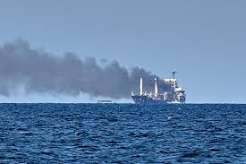
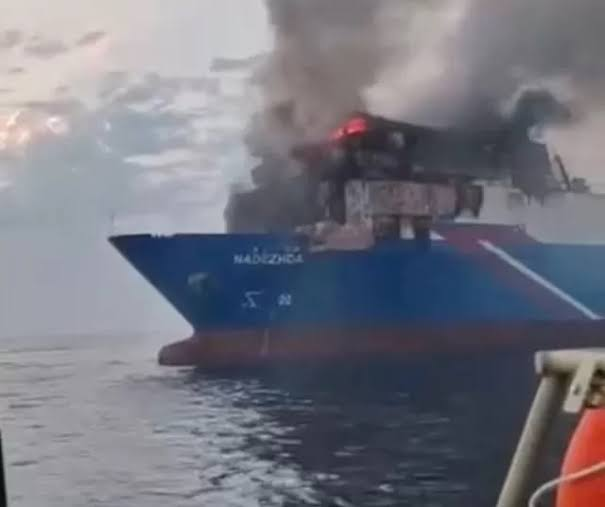
According to reporting from Al Bawaba, the Nadezhda a Ro-Ro cargo vessel carrying fruit and vegetables was hit by six or seven drones roughly 30 nautical miles from Novorossiysk. Captain Yalçın Şahin said the strike sparked a fire onboard.
Four sailors were injured, three of them Turkish citizens. Remarkably, everyone survived. The ship had been making a routine agricultural delivery, not carrying military cargo or fuel a detail that underscores how indiscriminate these strikes have become.
A Pattern, Not an Isolated Incident
This wasn’t a one-off. Turkey has logged multiple Black Sea shipping incidents since spring:
| Date | Vessel | Outcome |
|---|---|---|
| Late May 2026 | Turkish cargo ship | Drone attack, no fatalities |
| June 22, 2026 | Dry cargo vessel (Panama-flagged) | Two crew injured near Chornomorsk |
| Late June 2026 | Turkish fishing vessel | One dead, four injured near Crimea |
| August 4, 2026 | Yasar and Nadezhda | Multiple crew injured near Novorossiysk |
The escalation isn’t limited to Turkish-flagged ships either. Ukraine has also struck Russian “shadow fleet” tankers, including the Kairos and Virat, inside Turkey’s exclusive economic zone attacks Ankara separately condemned as threats to “navigation, life, property and environmental safety.”
Why the Black Sea Has Become a War Zone for Shipping
Both Russia and Ukraine have leaned harder into naval drone warfare over the past several months. Ukraine has used explosive-packed sea drones to hit vessels it says support Russian military logistics or energy exports. Russia, meanwhile, has continued striking Ukrainian grain carriers and port infrastructure near Odesa.
Reuters reporting cited earlier this summer estimated Ukraine has lost roughly a third of its export capacity at Black Sea ports since the conflict intensified. That number alone tells you how badly commercial shipping lanes have been squeezed.
READ MORE: Greece Wildfire Helicopter Crash Kills 2 in a Grim Blow
Civilian crews are increasingly caught in the middle vessels transporting produce, grain, or general cargo, not weapons, are getting hit anyway. The line between combatant target and commercial traffic has effectively disappeared for anyone operating near Russian or Ukrainian ports.
Turkey’s Diplomatic Balancing Act
Turkey occupies an unusual position here. It maintains ties with both Moscow and Kyiv, and it controls the Bosphorus and Dardanelles straits under the Montreux Convention giving Ankara real leverage over Black Sea naval traffic.
Foreign Minister Hakan Fidan recently traveled to Kyiv, where he called attacks on tankers and port infrastructure “absolutely unacceptable.” More notably, Fidan confirmed Turkey has agreed to lead the naval component of future security guarantees for Ukraine, a decision reportedly coordinated with NATO allies.
That’s a significant shift. Turkey isn’t just condemning attacks from the sidelines anymore it’s positioning itself as a security guarantor once a settlement, if one comes, takes shape.
What This Means for Food Security and Global Trade
The ministry’s warning wasn’t abstract. It explicitly flagged food security risks if shipping safety in the Black Sea keeps deteriorating. The region remains one of the world’s critical corridors for grain, sunflower oil, and agricultural exports and repeated drone strikes are pushing insurers, shipping companies, and crews toward the breaking point.
Key risks going forward:
- Rising insurance premiums for vessels transiting Black Sea routes
- Crew reluctance to sail near Russian or Ukrainian ports
- Potential rerouting that raises global food prices
- Increased likelihood of a serious diplomatic incident involving a third country’s flagged vessel
Turkey’s repeated warnings suggest Ankara sees this less as an isolated wartime hazard and more as a slow-motion crisis for global shipping. Monday attack finally forces “concrete measures,” as the ministry demanded, remains an open question one that will likely be tested again before the summer ends.