

The Michigan primary Israel debate has turned a routine Senate nomination contest into the most closely watched Democratic primary of 2026. Voters across the state headed to the polls on Tuesday to choose a nominee in a race that has become a proxy battle over U.S. support for Israel’s war in Gaza.
The outcome carries weight far beyond Michigan’s borders. Strategists say it will signal whether the Democratic Party is shifting toward a more critical posture on Israel — or whether establishment, pro-Israel candidates can still hold the line.
Michigan Primary Emerges as Flashpoint Over Israel Policy
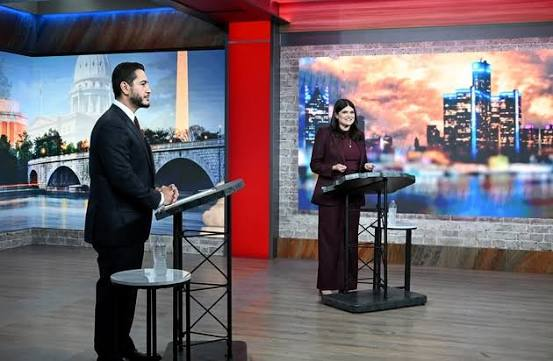
This isn’t just another midterm primary. Michigan is a Midwestern swing state Democrats must win to have any shot at retaking the Senate, which raises the stakes of every argument playing out on the campaign trail.
Frank Lowenstein, a former U.S. special envoy for Israeli-Palestinian negotiations under President Obama, called the race a bellwether. It will, in his words, help shape how tough Democrats’ 2028 presidential hopefuls decide to be on Israel.
- Michigan holds one of the largest Arab-American populations in the country
- The state also has a politically active and influential Jewish community
- Both communities have become deeply engaged in this single primary contest
Who Are the Candidates — El-Sayed vs Stevens
The contest pits Dr. Abdul El-Sayed, a progressive former Michigan public health official, against Rep. Haley Stevens, a moderate three-term congresswoman. Their positions on Israel sit at opposite ends of the Democratic spectrum.
El-Sayed wants to end unconditional U.S. military aid to Israel and has accused the country of genocide in Gaza. Stevens, by contrast, is a longtime outspoken supporter of Israel and has condemned what she calls “inflammatory rhetoric” from her rival.
| Candidate | Position | Key Backing |
|---|---|---|
| Abdul El-Sayed | Progressive; anti-unconditional aid to Israel | Bernie Sanders, AOC, United Auto Workers |
| Haley Stevens | Moderate; pro-Israel | AIPAC-aligned donors, establishment Democrats |
An Emerson College poll released in early August showed El-Sayed leading Stevens by a wide margin among likely Democratic primary voters, reflecting late momentum that surprised even some party insiders.
AIPAC’s Record Spending and the Money Behind the Race
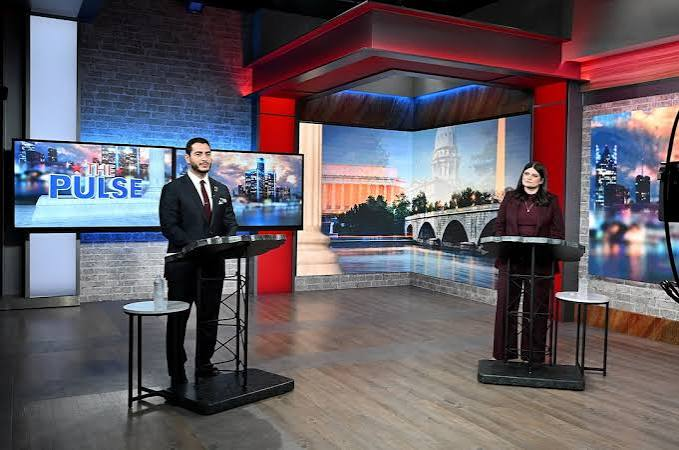
Money has poured into this race at a scale rarely seen in a single Senate primary. The American Israel Public Affairs Committee, the country’s dominant pro-Israel lobbying group, has spent roughly $30 million backing Stevens — its largest single-race investment on record.
That spending has itself become a campaign issue. El-Sayed has built part of his pitch around casting Stevens as beholden to outside money rather than Michigan voters, a message that appears to be resonating with the electorate.
- AIPAC’s ~$30 million commitment is its biggest ever in one race
- El-Sayed has framed the spending as evidence of establishment influence
- Democratic strategist Jim Manley said Israel’s “once strong support” among Democrats “has been left in tatters”
Roots in the 2024 “Uncommitted” Movement
Michigan’s role in this fight didn’t start this year. The state was the birthplace of the 2024 “uncommitted” protest movement, when roughly 15 percent of Democratic primary voters marked their presidential ballots as uncommitted rather than back Joe Biden, largely over his support for Israel’s Gaza offensive.
Biden won that primary comfortably, but the protest vote signaled eroding patience within the party’s base. That undercurrent has only grown since, feeding directly into the current Senate contest and the sharper rhetoric now common in Democratic primaries nationwide.
What Analysts Say About the Democratic Party’s Direction
Pollsters working the race note an irony: despite the intense focus on Israel from candidates, activists and the media, many voters say they’re weighing other issues first, particularly the economy and frustration with party leadership.
READ MORE: UN Experts Urge Canada To Protect Threatened Sikh Activist
Democratic strategist Karen Finney warned that party leaders shouldn’t read too much into either outcome. An El-Sayed win reflects anger at the status quo; a Stevens win wouldn’t necessarily mean Israel policy is settled within the party. Both dynamics, she argued, deserve attention regardless of who wins.
Beyond Michigan — Missouri, Virginia and Washington Races

Michigan isn’t voting in isolation. Missouri Democrats are also deciding a rematch between progressive former Rep. Cori Bush, an Israel critic, and Rep. Wesley Bell, a more mainstream figure who defeated her two years ago.
Meanwhile, Virginia and Washington State are holding their own Democratic primaries the same day, including House races that could influence which party controls the chamber after November. Together, these contests form the clearest national test yet of where rank-and-file Democrats stand on Israel.
What This Means for 2028
Whichever way Michigan breaks, the result will ripple into 2028 presidential positioning. Analysts widely expect prospective Democratic candidates to study this race closely when calibrating their own stances on Israel and Gaza.
Public opinion data adds context to the shift. Gallup polling found favorable American views of Israel fell from 75 percent in 2021 to 46 percent in 2026 a decline that helps explain why Israel policy has become such fertile ground for primary challengers this cycle.