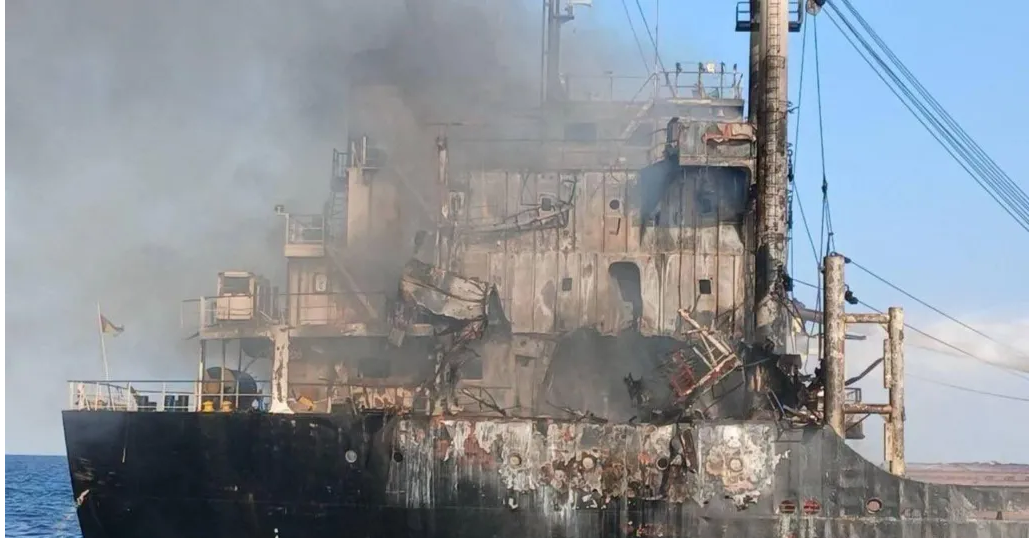
A Black Sea ship attack has sent a Russian-owned cargo vessel to the bottom, in one of the boldest maritime strikes of the war so far. Ukrainian naval drones sank the container ship Yanina early on Saturday, forcing its 17-member crew to abandon the vessel as it went down.
Russia called it piracy. Ukraine called it a legitimate target. Here is what happened, and why the fight at sea has become so central to this war.
How the Black Sea Ship Attack Unfolded
Rosatom, Russia’s state-owned nuclear power operator, said at least two Ukrainian drones struck the Yanina as it sailed roughly 130 miles from the Russian port of Novorossiysk. The vessel was operated by Rosatom’s shipping subsidiary FESCO and was carrying civilian goods including frozen food and construction materials.
There was no immediate indication the ship was carrying nuclear material or working for Rosatom’s nuclear arm. The company said the crew left in an organized and coordinated manner once it became clear the vessel was sinking.
A dramatic rescue followed. Rosatom’s chief said a nearby container ship, the Delphinus, led by an Egyptian captain, moved toward the wreck site overnight despite the danger and pulled 16 of the 17 crew from the water. The last crew member was recovered about an hour later with help from naval aviation, and all 17 were reported in satisfactory condition.
The strike itself was over quickly. Rosatom said the drones hit the vessel at around 10 p.m. Moscow time, and video released by the Ukrainian side appeared to show the moment an uncrewed surface craft closed on the ship before impact. Within hours the Yanina had slipped beneath the surface, roughly 130 nautical miles from the Russian coast. The wider container ship had been sailing a routine commercial run when the drones found it in open water.
Ukraine Claims the Strike
President Volodymyr Zelensky confirmed Ukraine was behind the strike, describing the Yanina as a sanctioned Russian container ship with a capacity of more than 100,000 metric tons. He said the vessel was hit during operations against targets in the Black Sea and the Sea of Azov using domestically produced weapons.
His reasoning was blunt. Maritime shipping, he argued, helps Russia sustain its war by moving goods and generating revenue despite sanctions. Our targets are consistently defined facilities that sustain the war effort, Zelensky wrote.
Rosatom rejected that framing entirely, with its chief calling the strike an act of piracy and robbery at sea. NEWSCOUR cannot independently verify the competing claims about the ship’s cargo or purpose, which come from Russian and Ukrainian sources.
The dispute over what the Yanina was carrying is central to how each side justifies its position. Rosatom insists it was an ordinary peaceful container ship moving frozen food and building materials through international waters, while Kyiv points to the vessel’s sanctioned status and its role in a supply network that keeps Russia’s war economy running.
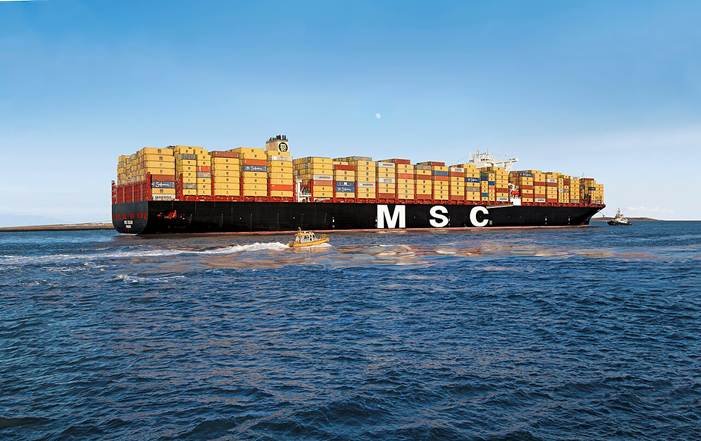
Ship-tracking data added detail to the picture. The Yanina, built in 2005 and acquired by FESCO in 2021, had been running a regular container service and was arriving from India when it was hit. With a capacity of fewer than 1,000 containers, it was a modest vessel by global standards, but a symbolically valuable one given its state ownership.
Why the War at Sea Keeps Escalating
The sinking is part of a widening campaign on the water. Ukraine has told international monitors that Russia has struck more than 2,300 vessels since the war began, and that over 1,000 port facilities have been destroyed.
Ukraine also says more than 300 people, both Ukrainians and other nationalities, have been killed or injured in attacks on shipping and ports. Just a week earlier, a small bulker registered in Guinea-Bissau sank near Odesa after a Russian strike, part of the same grinding contest for control of the Black Sea.
The attack came amid a prolonged lull in US-led talks aimed at ending the conflict, Europe’s deadliest since World War II. Both sides have escalated long-range strikes in recent weeks, with one analysis finding Russia more than doubled its missile use in a single month.
The cost to civilians has climbed with it. Russian attacks on Kyiv the same night killed at least nine people, and UN monitors say civilian casualties in Ukraine have reached their highest level since the 2022 invasion. Kyiv has pressed its allies for more air defenses to blunt the assault.
International law on attacking merchant shipping in wartime is complex and contested. The rules distinguishing military targets from protected civilian vessels are set out in instruments overseen by the International Committee of the Red Cross, which both sides invoke to justify their own actions and condemn the other’s.
The economics of blockaded shipping lanes tie this fight to a wider story about chokepoints and oil. For a parallel from the Gulf, see our coverage of the global fuel crisis as the Hormuz closure sent oil surging.
For the sailors pulled from the Black Sea before dawn, the politics will matter less than the rescue. Their ship is gone, but a captain who steered toward the danger made sure they were not.
The war at sea is moving faster than the peace talks, and the next strike may come before the last one is explained. For continuing coverage, follow NEWSCOUR.