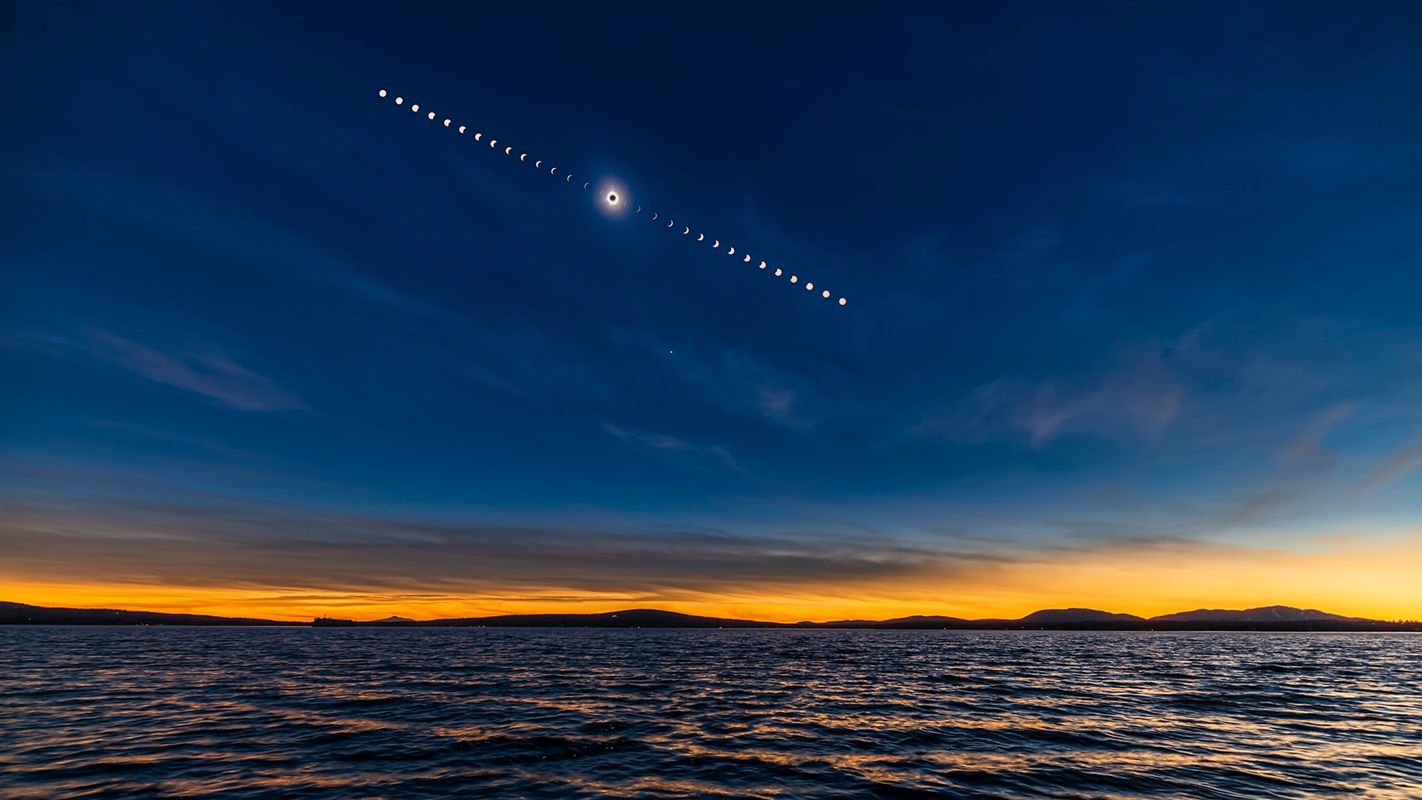
For the first time in more than two decades, a total solar eclipse is about to darken the skies over mainland Europe. On August 12, 2026, the moon’s shadow will race across Greenland, Iceland and northern Spain, turning day briefly into an eerie twilight.
It is the first total eclipse visible from mainland Europe since 1999, and millions of people are expected to be watching. Much of the rest of Europe and parts of North America will catch a partial eclipse.
Here is exactly where the eclipse will pass, what makes totality so extraordinary, and how to watch it without harming your eyes.
Where the Total Solar Eclipse Will Be Visible
The path of totality, the narrow band where the moon completely covers the sun, is only about 182 miles wide. Beginning over the Arctic, the shadow arcs up and over the top of the planet before dropping south.
The Path of Totality
According to space agencies, totality touches down across a short list of places:
- A remote corner of northern Siberia in Russia, where the eclipse begins.
- Eastern Greenland, where the sun darkens in the late afternoon.
- Western Iceland, one of the most accessible viewing spots on the path.
- Northern Spain and a tiny sliver of Portugal, where totality arrives shortly before sunset.
Everywhere else in the region gets a partial eclipse, with the moon appearing to take a bite out of the sun. Much of Europe, including the UK, France, Germany and Scandinavia, falls into that wider zone.
Why the Total Solar Eclipse Is So Rare and Special
A total solar eclipse is possible because of a cosmic coincidence. The sun is about 400 times wider than the moon, but it is also roughly 400 times farther away, so the two appear almost exactly the same size in our sky.
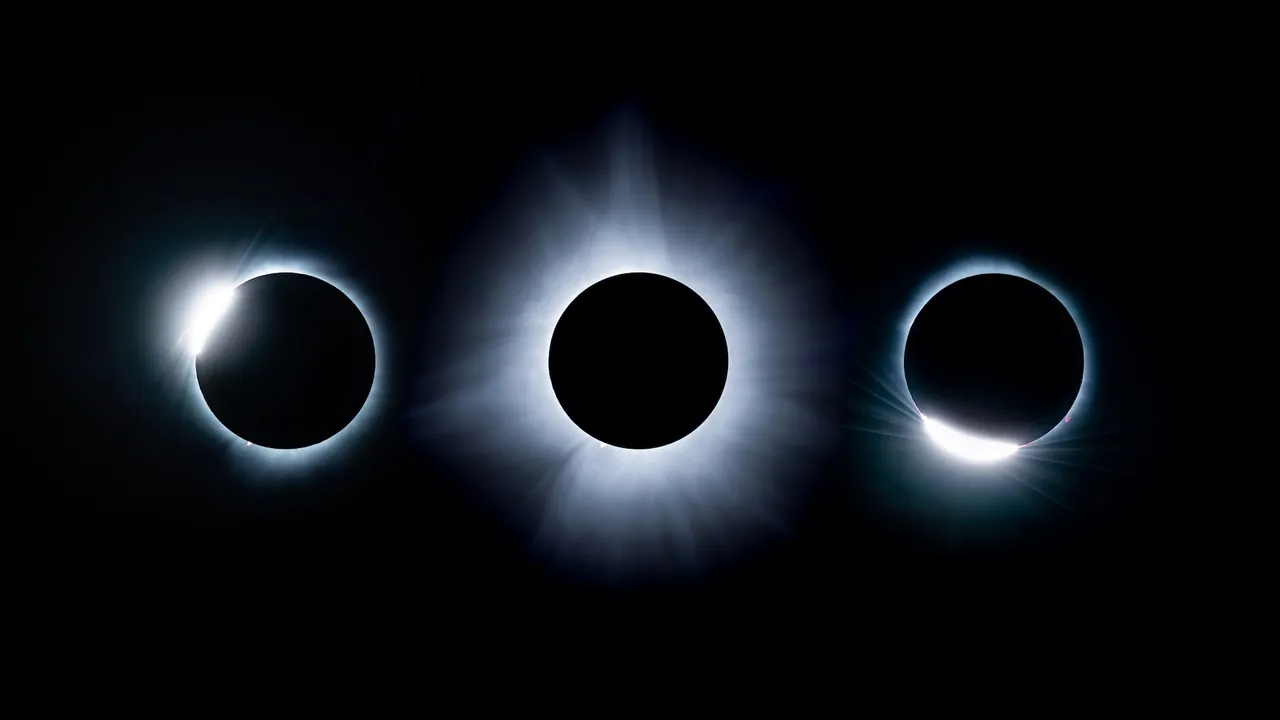
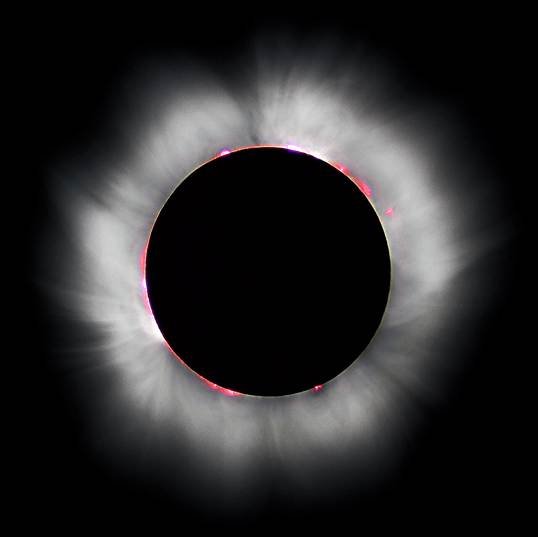
When they line up perfectly, the moon blots out the sun’s blinding face and reveals the corona, the faint, wispy outer atmosphere that is normally invisible. For this eclipse, the maximum duration of totality is a fleeting 2 minutes and 18 seconds.
That brevity is part of the appeal. Totality is the only time it is safe to look directly at the eclipsed sun, and seasoned eclipse chasers describe the sudden darkness, the drop in temperature and the ring of light as unlike anything else in nature.
How to Watch the Eclipse Safely
The single most important rule of any total solar eclipse is protecting your eyes. Looking at the sun without proper protection can cause permanent damage, even when it is almost entirely covered.
Eye Safety Essentials
Follow these basics whether you are in the path of totality or the partial zone:
- Use certified eclipse glasses or handheld solar viewers, never ordinary sunglasses.
- Only remove protection during the brief total phase, and only if you are inside the path of totality.
- Put protection back on the instant the sun’s bright edge reappears.
For anyone outside the narrow path, the partial phases must be viewed with protection at all times. The science and viewing guidance are laid out in detail by NASA, which will also stream the event live.
If clouds or geography keep you from the path this year, there is good news. Another total eclipse crosses Spain and North Africa in 2027, part of an unusually rich run of eclipses over Europe. For more on the night sky, see our guide to August skywatching and its four-event night.
For two brief minutes on August 12, a slice of the Northern Hemisphere will fall silent and dark in the middle of the day. It is a reminder that even in a busy modern world, the clockwork of the solar system can still stop us in our tracks.
Totality lasts only moments, but the memory tends to last a lifetime, so plan your viewing and your eye protection now. For more skywatching guides and space news, stay with NEWSCOUR.