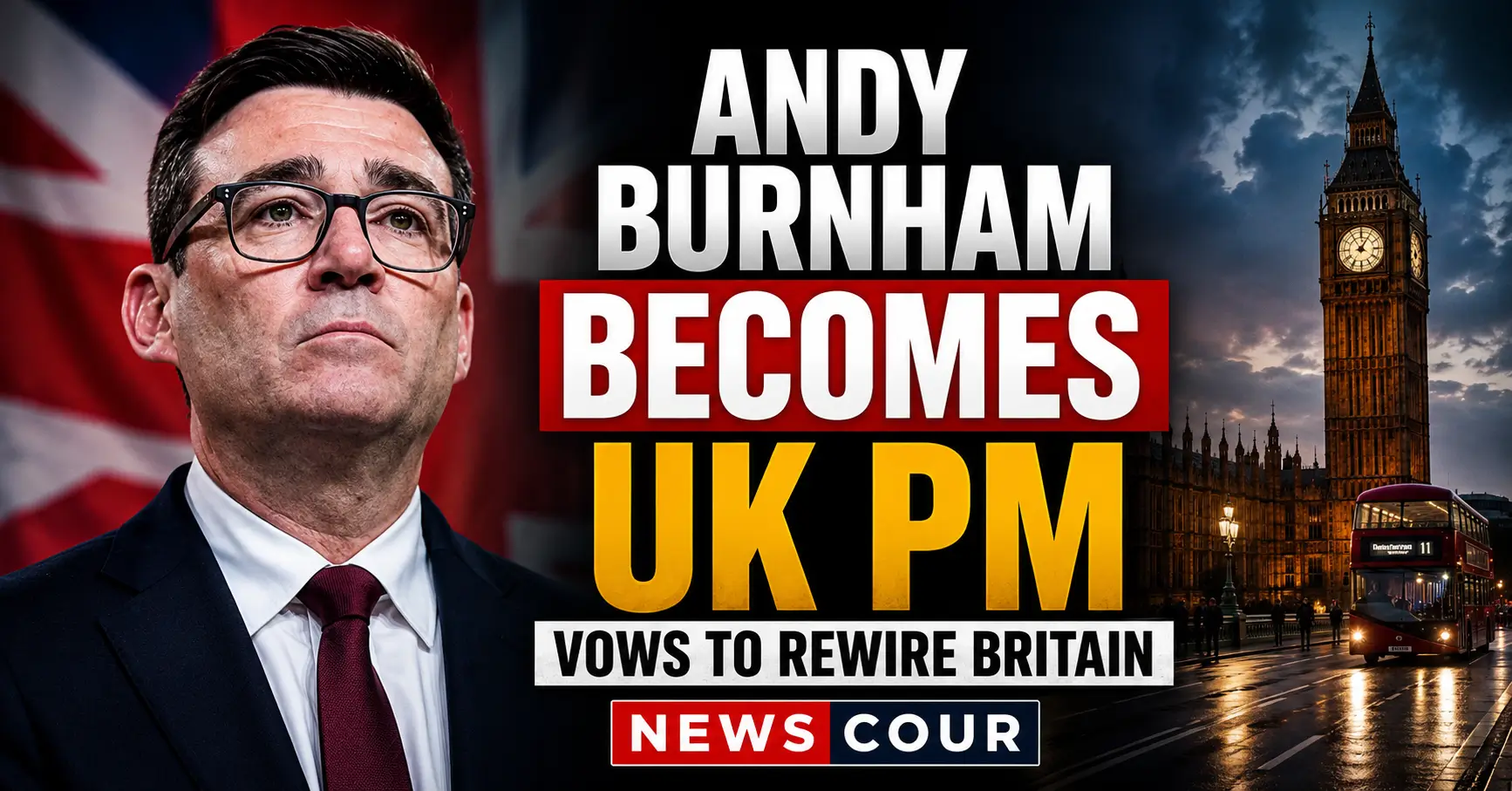
Andy Burnham is now Britain’s prime minister. The former Greater Manchester mayor, long nicknamed the “King of the North,” took the job on Monday, July 20, becoming the country’s seventh prime minister in just ten years a churn rate that says as much about British politics as anything he could promise in a speech.
He promised plenty anyway. Burnham says he wants to “rewire” the country, refocusing government on the two things voters keep telling pollsters they care about most: the cost of living and public services that no longer seem to work.
Who Is Andy Burnham, and Why Is He Called the ‘King of the North’?
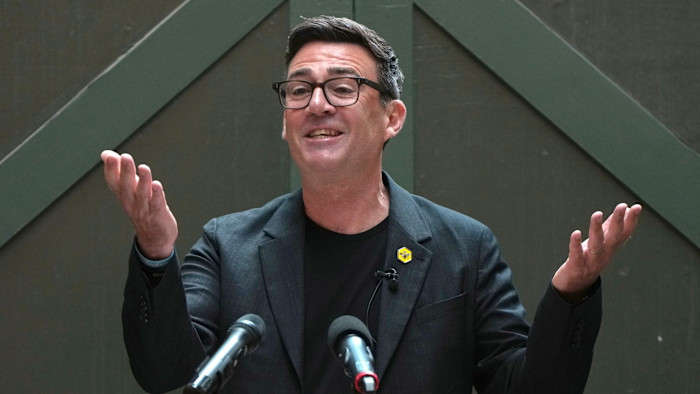
Andy Burnham, 56, spent nine years running Greater Manchester before returning to Westminster last month, and that regional base is exactly why the “King of the North” tag stuck. It signals loyalty outside London’s political bubble.
He’s no newcomer to national politics, either. Under Tony Blair and Gordon Brown he held posts at the Treasury, the Home Office and Health, then ran for Labour leader twice before finally landing the top job on his third attempt.
How Andy Burnham Became Britain’s Seventh Prime Minister in a Decade
Andy Burnham was confirmed as Labour leader on July 17, then took over from Keir Starmer three days later, after Starmer delivered a farewell address outside 10 Downing Street and formally resigned to King Charles. Burnham then had his own audience with the monarch before entering office.
He called his rise “the most significant change moment in our politics for 40 years.” That’s a bold claim from a man who’s watched six prime ministers come and go since 2016 — but it captures how unstable Britain’s leadership has become.
Quick timeline of the handover:
- July 17: Burnham confirmed as new Labour Party leader
- July 20 (morning): Starmer resigns, gives farewell speech outside No. 10
- July 20 (later): Burnham meets King Charles, formally becomes PM
- Same day: Cabinet appointments announced amid ongoing speculation
Inside Burnham’s Plan to ‘Rewire Britain’
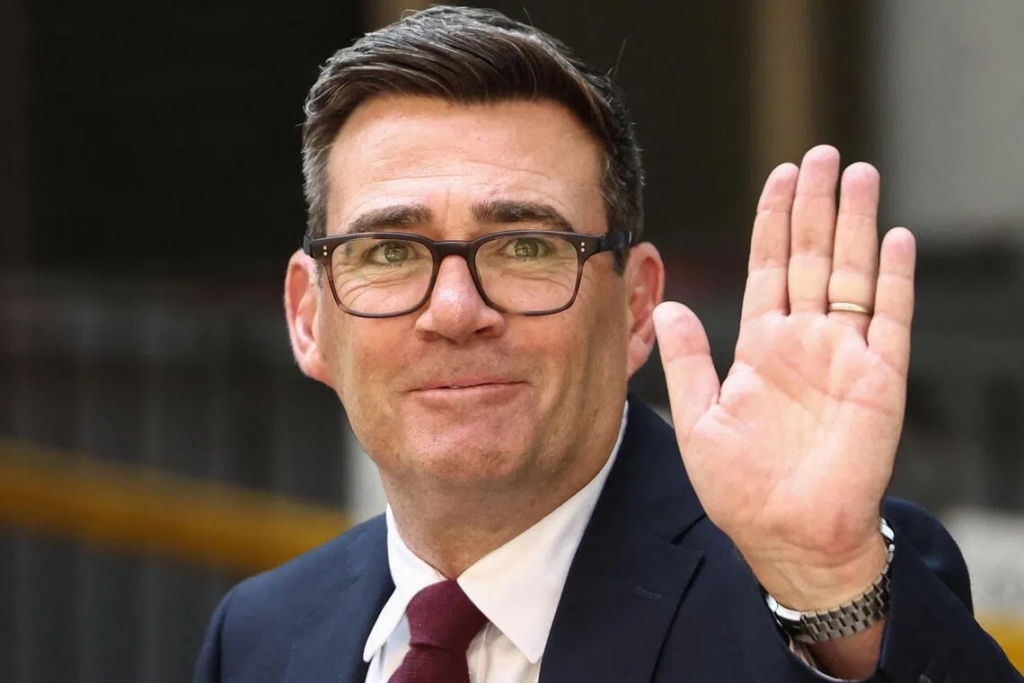
The “rewire Britain” pledge isn’t just a slogan — allies describe it as a full reset of government priorities toward affordability and functioning public services, after years of what critics call drift under Starmer.
Deputy Labour leader Lucy Powell laid out the thinking plainly, telling Sky News that Andy Burnham wants to “reprioritise the government’s resources” and rewire “the way the country, the economy works.” Early moves already point to a more interventionist style.
- Scrapping the government’s troubled digital ID scheme entirely
- Possible “special measures” for debt-stricken Thames Water, effectively putting it under government control
- A tilt toward stronger public control of underperforming utilities
- A stated focus on taxation, spending and energy policy as first-order priorities
Cabinet Watch: Who’s Getting the Big Jobs
Andy Burnham spent the weekend before taking office “finalising” his top team, and the chancellor pick became the subject of open Westminster speculation. The decision matters friction between a prime minister and chancellor has sunk past governments.
| Role | Reported Contender(s) | Notes |
|---|---|---|
| Chancellor of the Exchequer | Shabana Mahmood (front-runner), Ed Miliband (favored by Labour’s left) | Seen as the most consequential appointment |
| Deputy PM | Lucy Powell | Already a close Burnham ally and public spokesperson for his agenda |
| Broader cabinet | Still being finalised as of the handover | Full lineup announced Monday |
Burnham himself pushed back on the guessing game before taking office, saying there had been “too much” speculation and that he’d announce his team once decisions were final, not before.
Why Labour Turned to Andy Burnham as Reform UK Surges
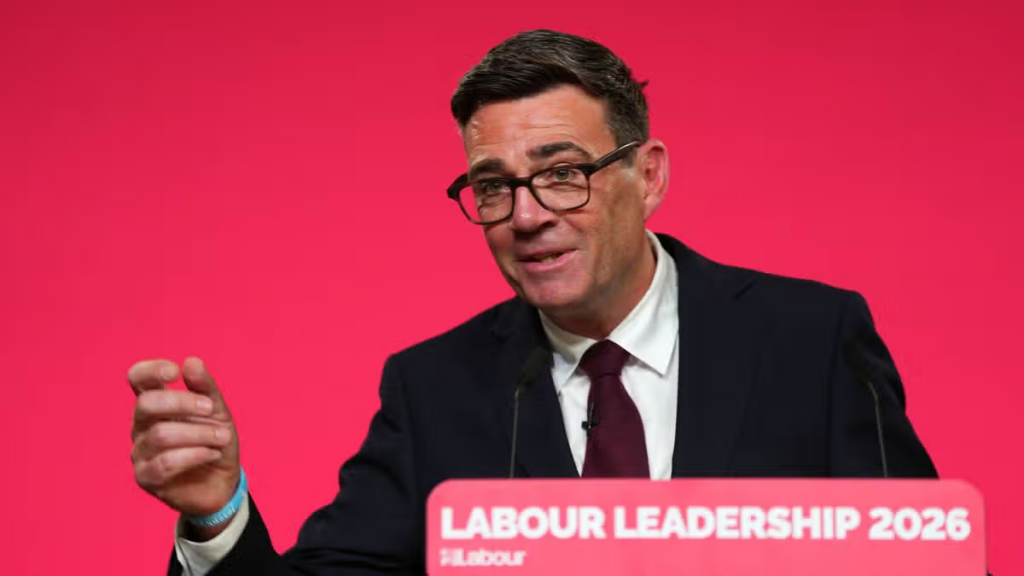
Labour’s gamble on Andy Burnham didn’t come from nowhere. Starmer’s popularity had collapsed alongside the party’s poll numbers, and Nigel Farage’s Reform UK kept climbing as the government lurched from one U-turn to the next.
MPs increasingly saw Andy Burnham, freshly returned to Westminster, as one of the few figures who could blunt Farage’s momentum something they’d stopped believing Starmer could do. Rivals like Wes Streeting and Shabana Mahmood never mounted a convincing alternative bid.
Reaction From Westminster and Beyond
The reaction has split along familiar lines. Allies frame the transition as a chance for a “dynamic start,” pointing to the digital ID reversal as proof Burnham intends to act fast rather than manage decline.
READ MORE: Andrew Tate Arrested Miami After UK Files 38 New Charges
Skeptics aren’t convinced a change of face solves a change of substance. Britain’s underperforming utilities, sluggish growth and a stretched public purse aren’t problems a new prime minister fixes with a speech Andy Burnham himself has acknowledged the list of challenges is long.
What It Means for Britain’s Economy — and the World
For a US and international audience, the bigger question is whether “rewiring” Britain changes anything investors or trading partners actually feel. Talk of bringing utilities like Thames Water under tighter state control will draw attention from markets watching regulatory risk in UK infrastructure.
A Andy Burnham government pushing economic policy further left than Starmer’s could also reshape how Washington and Brussels read Britain’s direction especially on energy policy, public ownership, and how aggressively London leans into taxation and spending to fund its promises.