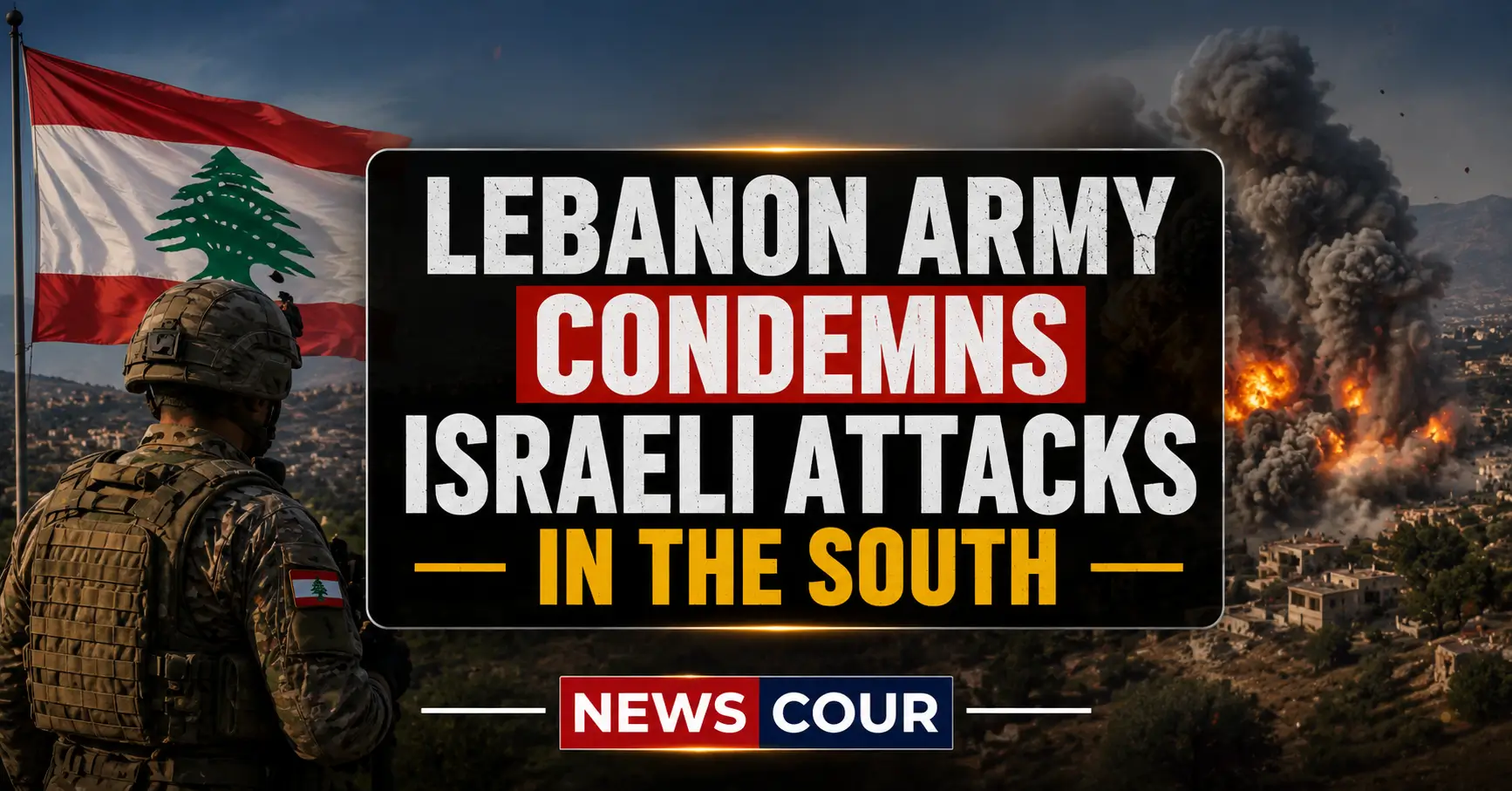
Lebanon army condemns Israeli attacks that it says are still blocking its troops from fully deploying across the south, more than a month after Beirut and Israel signed a US-sponsored framework deal meant to end the fighting.
The Lebanese military said Sunday that Israeli forces are bulldozing homes, shelling villages, and sweeping through southern districts with automatic weapons — actions it called direct violations of the understandings reached last month and of international law.
What the Lebanese Army Statement Says
Lebanon army condemns Israeli attacks in unusually direct language for an institution that has generally avoided open confrontation with Israel’s military since the deal was signed. The statement named specific violations, not vague accusations.
- “Systematic destruction and bulldozing of homes” in southern areas
- Bombardment and armed sweeps using automatic weapons
- Gunfire near Lebanese army positions in Kfar Tibnit, Nabatieh al-Fawqa, and Zawtar al-Gharbiyeh
- Continued obstruction of residents attempting to return to their villages
The army said these actions “obstruct the army’s full deployment according to current agreements,” a line that puts direct pressure on Washington and Israel to explain the gap between the deal’s language and events on the ground.
The US-Brokered Framework Deal
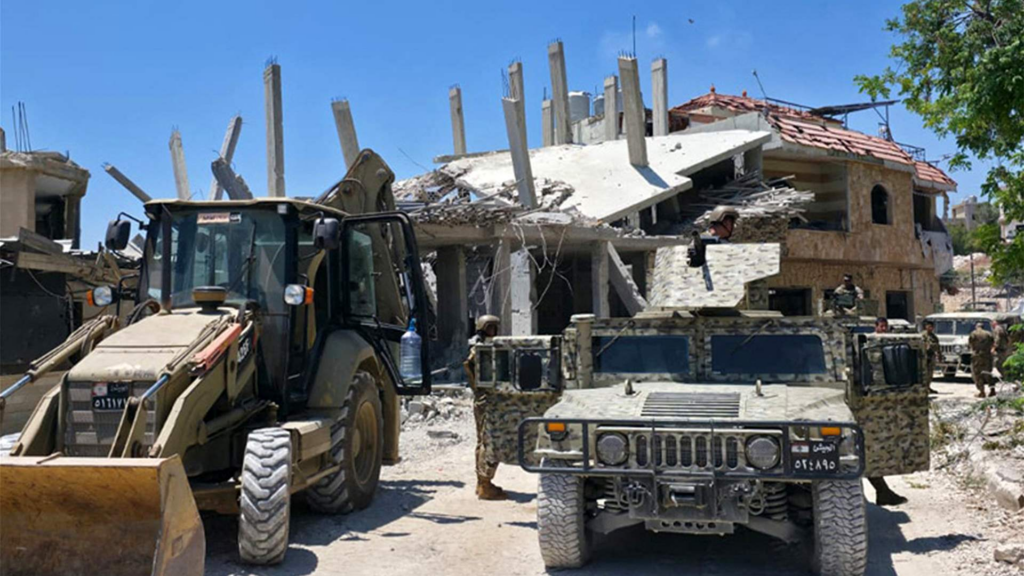
The framework agreement, signed in Washington last month, commits Lebanon’s army to disarming Hezbollah while Israel withdraws from so-called “pilot zones,” handing security responsibility back to Lebanese forces. It followed more than three months of fighting.
READ MORE: Trump Warns China, Russia Against Joining Iran Conflict
That fighting began after Hezbollah fired rockets into Israel in solidarity with Iran, triggering Israeli airstrikes and a ground invasion that Lebanese authorities say has killed more than 4,300 people. The deal set no firm withdrawal timeline, only a phased pilot structure.
Pilot Zones and the Stalled Withdrawal
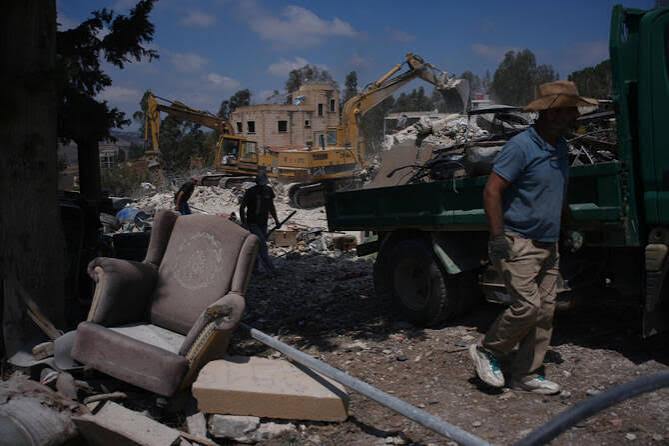
This week, the Lebanese army began entering Zawtar al-Gharbiyeh, one of the first designated pilot zones, after Israeli troops pulled back. Residents were allowed to inspect damaged homes for the first time in months, with AFP correspondents describing heavy destruction in the streets.
An Israeli military official described the pilot program as a test of “the Lebanese Armed Forces’ sovereignty” in the three pilot villages. But Lebanese officers on the ground reported Israeli troops opening fire near their units even as they deployed, undercutting the credibility of that framing.
Timeline of Key Developments
| Date | Development |
|---|---|
| Late June 2026 | Framework deal signed in Washington by Lebanon and Israel |
| Saturday (deal week) | First post-deal casualty reported: one killed, two injured in southern strikes |
| July 21, 2026 | Israeli forces withdraw from Zawtar al-Gharbiyeh; Lebanese army begins deployment |
| July 22, 2026 | Israeli troops raid a home in Borj al-Mlouk, confiscate a resident’s passport |
| July 24, 2026 | Israeli strikes and blasts reported in al-Mansouri and Majdal Zoun |
| July 26, 2026 | Lebanon army condemns Israeli attacks, says deployment being obstructed |
Hezbollah’s Rejection and the Domestic Backlash
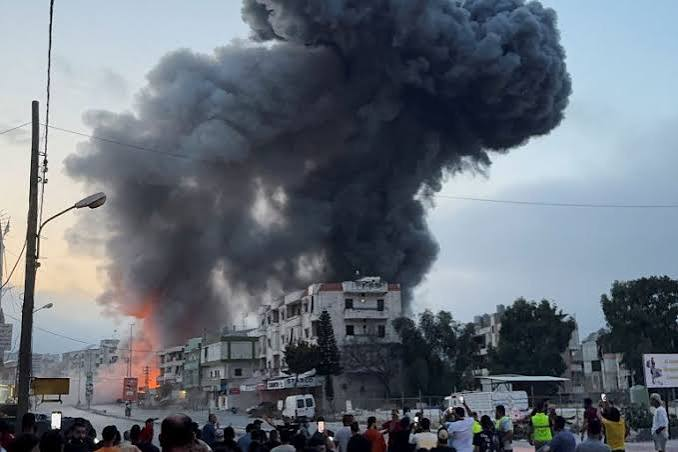
Hezbollah has never accepted the deal’s core premise. Leader Naim Qassem called it “null and void” and described linking Israel’s withdrawal to Hezbollah’s disarmament as “humiliating, shameful and a surrender of sovereignty” for Beirut.
That rejection has fed street protests in Beirut’s southern suburbs. The Lebanese army command has warned citizens to “act responsibly” amid calls for demonstrations, while prosecutors have ordered security forces to identify anyone involved in unrest connected to the agreement.
Casualties and the Humanitarian Toll
South Lebanon’s civilian toll has kept climbing even after the framework deal took effect. Lebanon’s Ministry of Public Health confirmed the first post-deal casualties days after signing, and residents in pilot-zone villages are returning to find homes flattened.
- More than 4,300 people killed since the fighting began in March, according to Lebanese authorities
- Israel still occupies roughly a fifth of Lebanese territory, reporting
- Multiple southern villages report ongoing controlled demolitions of buildings by Israeli forces
For families in villages like Zawtar al-Gharbiyeh, the deployment has brought only partial relief — soldiers on the streets, but Israeli positions still visible across the valley.
Diplomatic and Military Reactions
Lebanon’s president has separately said Israel’s continued presence in the south is what’s actually blocking the army’s rollout, aligning the presidency’s language with the military’s Sunday statement. That convergence suggests growing frustration inside Lebanon’s state institutions, not just among Hezbollah loyalists.
Israel’s military has largely defended its posture as defensive, framing continued raids and strikes as necessary to prevent Hezbollah from regrouping. It has offered little public response to the army’s specific accusations from Sunday’s statement.
What Happens Next
The coming weeks will test whether Washington’s framework can survive contact with events on the ground. Lebanon’s army has staked its credibility on completing deployment across all pilot zones, not just the first one.
If Israeli strikes continue at the current pace, Beirut faces a difficult choice: press forward with disarming Hezbollah while Israeli forces remain active in the south, or slow the process and risk the deal unraveling entirely under domestic pressure from Hezbollah’s base.