
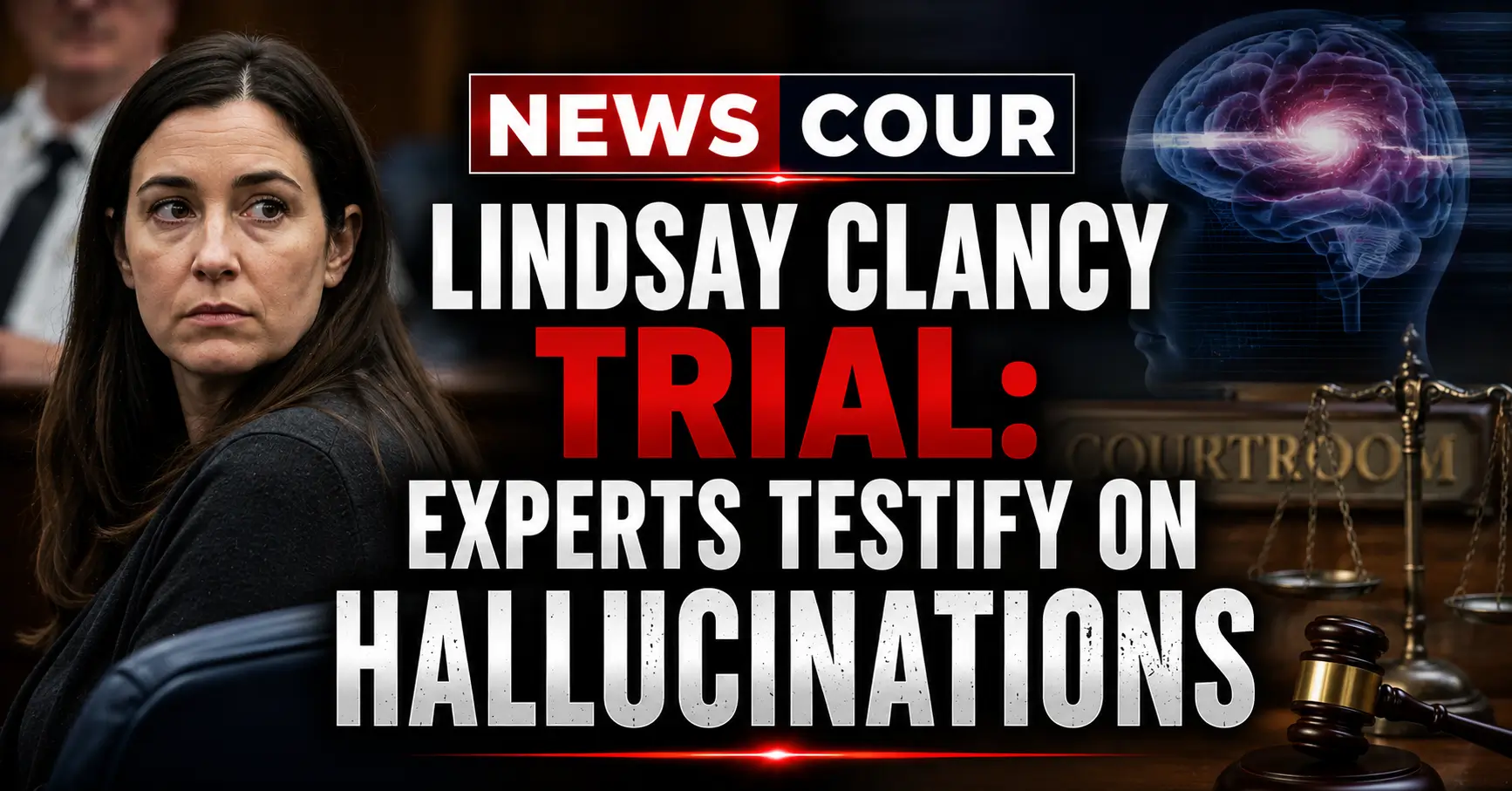
A jury in Plymouth, Massachusetts, has spent more than two weeks hearing dueling medical theories about what was happening inside Lindsay Clancy’s mind the day she killed her three children. The Lindsay Clancy trial: experts testify on hallucinations and postpartum psychosis has now become one of the most closely watched criminal cases in the country, not because anyone disputes what happened, but because of the question no one can answer with certainty: was she sick, or was she culpable?
Both sides agree Clancy strangled 5-year-old Cora, 3-year-old Dawson, and infant Callan at the family’s Duxbury home on January 24, 2023. She then attempted suicide, leaving her paralyzed from the waist down. What the jury must decide is whether postpartum psychosis robbed her of criminal responsibility.
What Happened Inside Plymouth Superior Court This Week

By Tuesday, the trial had reached its 15th day of testimony. Prosecutors Jennifer Sprague and Shanan Buckingham rested their case Monday after calling 72 witnesses — a staggering volume of medical, forensic, and personal testimony.
The defense, led by attorney Kevin Reddington, then opened its case. Witnesses included Clancy’s mother, Paula Musgrove, and her former mother-in-law, Susan Clancy, who told the court Lindsay had been “begging for help” in the weeks before the killings. A forensic psychiatrist and a psychologist who evaluated Clancy after her hospitalization also took the stand, shifting the trial’s focus squarely onto her mental state.
- 72 prosecution witnesses called before resting their case
- 15+ days of testimony as of August 18, 2026
- Insanity defense is the central legal strategy
- Judge William Sullivan is presiding over expert-witness disputes
The Voice She Says She Heard: Inside the Hallucination Testimony
The most striking testimony came from a psychologist who met with Clancy in the hospital after the killings. According to court reporting, Clancy told the clinician she heard a male voice ordering her to kill her children and then take her own life.
That account sits at the heart of the defense’s argument. Dr. Donald Condie, an adult clinical and forensic psychiatrist called by the defense, testified about the effect of Clancy’s medications on her mental state. Under cross-examination, Condie acknowledged that Clancy never reported hearing voices to any provider until after the killings — a detail prosecutors seized on to question whether the hallucinations were genuine symptoms of psychosis or a later reconstruction of events.
Psychiatrists Divided: Did Lindsay Clancy Show Signs of Psychosis?
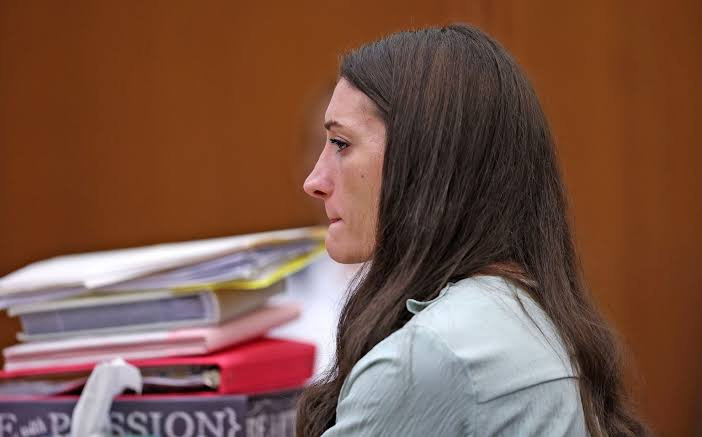
Not every expert agrees a hallucination occurred at all, let alone whether it points to postpartum psychosis. Dr. Jennifer Tufts, Clancy’s treating psychiatrist, testified she wrote nearly half of Clancy’s roughly 30 prescriptions and saw her across 14 telehealth appointments between September 2022 and the day before the killings.
READ MORE: South Korea Military Exercises Cut by Trump in a Shock Move
Tufts told jurors she had never previously treated a case of postpartum psychosis — and that she did not observe signs of it in Clancy. A second clinician, psychiatric nurse Rebecca Jollotta, offered similar testimony, as did another provider identified in court as Goodheart, who said sleep deprivation could contribute to a manic episode but that she, too, never saw psychosis symptoms directly.
- Dr. Jennifer Tufts: wrote ~15 of Clancy’s 30 prescriptions, saw no psychosis signs
- Rebecca Jollotta: psychiatric nurse, took over Clancy’s care in November 2022
- Provider “Goodheart”: cited sleep deprivation as a manic-episode risk factor
- All three said they had never previously treated a postpartum psychosis case
Understanding Postpartum Psychosis as a Medical Condition
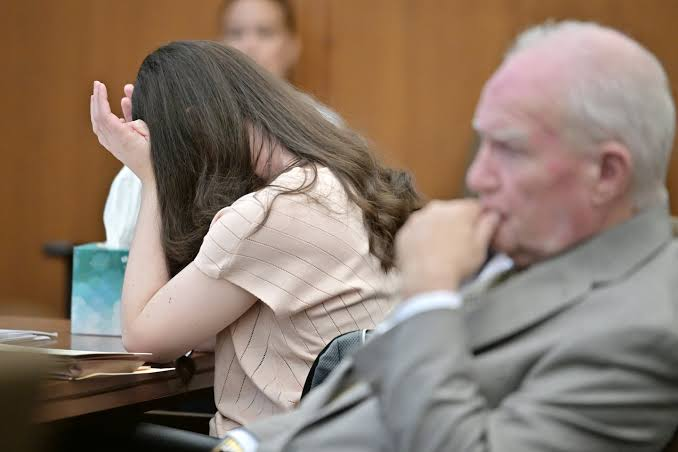
Medical experts outside the courtroom describe postpartum psychosis as rare but severe. Estimates from a 2017 systematic review in BMC Psychiatry put its prevalence at roughly 1 to 2 cases per 1,000 childbirths. Symptoms usually appear within days of delivery but can emerge up to six weeks later, and about 90% of episodes surface within the first four weeks postpartum.
The condition differs sharply from more common postpartum depression, which one 2024 study found affected close to 19% of new mothers in the United States. Postpartum psychosis instead brings delusions, paranoia, disorganized thinking, and — in some cases — auditory or visual hallucinations severe enough to drive a mother to harm herself or her infant. Treatment typically requires inpatient psychiatric care, medication, or in severe cases electroconvulsive therapy.
The Medication Trail: What Lindsay Clancy Was Prescribed
Clancy’s defense has repeatedly pointed to her medication regimen as evidence she was failed by the healthcare system. Reddington has said Clancy was prescribed as many as 12 different psychiatric drugs following her third child’s birth, describing the pattern as “horrific” overmedication.
Court testimony has confirmed she was prescribed benzodiazepines, Trazodone, Zoloft, Valium, Seroquel, and Remeron over several months. One provider testified she suspected Clancy had an underlying bipolar disorder rather than postpartum psychosis. Clancy was also admitted to McLean Hospital for five days of inpatient psychiatric care before the killings — treatment the defense says was insufficient given how rapidly her condition deteriorated.
The Insanity Defense and What Comes Next
Massachusetts law requires the defense to show Clancy lacked substantial capacity to appreciate the wrongfulness of her actions or to conform her conduct to the law. Prosecutor Buckingham has told jurors plainly that “people with mental illness commit crimes every day and are responsible for them,” underscoring that a mental health diagnosis alone won’t clear the legal bar for an insanity acquittal.
With the prosecution’s case closed and the defense now presenting its own experts, the trial is expected to continue for several more weeks. Jurors will ultimately have to weigh conflicting expert opinions — some clinicians who treated Clancy directly and saw no psychosis, against forensic experts retained by the defense who argue her hallucinations and medication history point to a genuine psychiatric emergency.
Why This Trial Is Reshaping the Postpartum Mental Health Conversation
Beyond the verdict, advocates say the case has already done something rare: forced a national conversation about a condition most people have never heard of. Mental health advocate Meghan Cliffel, who has experienced postpartum psychosis herself, says the intense coverage has been painful for survivors, many of whom believe only luck kept their own crises from ending in tragedy.
That sentiment is echoing well beyond Plymouth County. Clinicians and maternal health groups are using the trial’s visibility to push for earlier screening, better provider training, and greater public awareness of postpartum psychosis as a medical emergency — not a character flaw or parenting failure.
If you or someone you know is in crisis, call or text the Suicide and Crisis Lifeline at 988, or text TALK to 741741 to reach the Crisis Text Line.