Israeli Prime Minister Benjamin Netanyahu has ruled out any Gaza withdrawal before Hamas disarms, publicly rejecting the US-backed peace framework his own government had appeared to accept weeks earlier. The reversal, delivered at a cabinet meeting, throws a carefully built diplomatic process into open doubt.
It also puts him on a collision course with the White House. President Donald Trump had called the plan a “historic agreement,” and Netanyahu’s blunt rejection now forces both governments to explain a widening gap in public.
What Netanyahu Actually Said
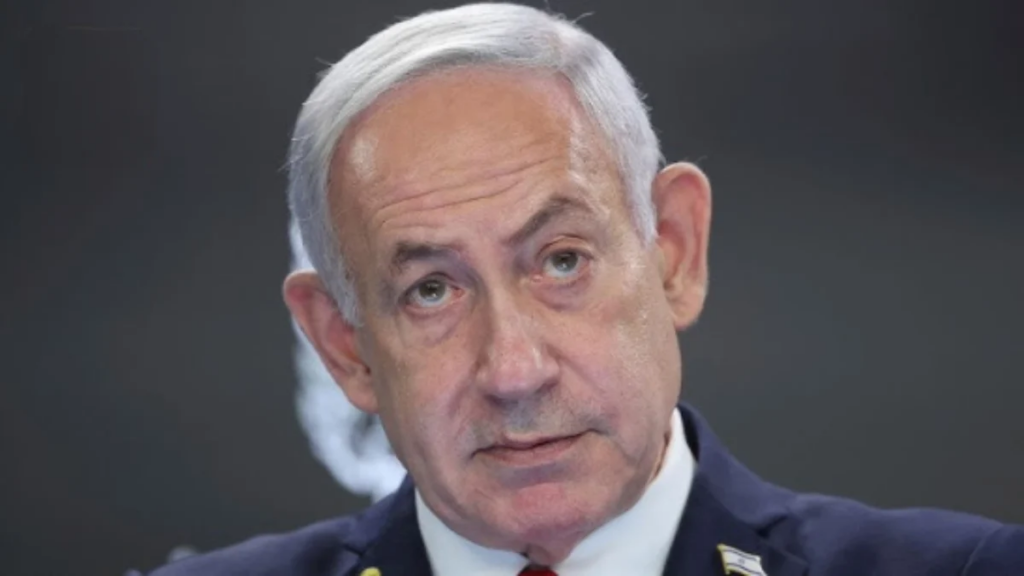
Speaking to ministers, Netanyahu was unambiguous: “Israel rejects the 15-point document.” He said Israeli troops “will not carry out any withdrawal until Hamas is genuinely disarmed,” adding that forces would keep working to “thwart threats” against citizens and soldiers.
He drew a sharp line between real and symbolic compliance. “We are talking about genuine disarmament, not fictitious disarmament,” he told the meeting, a distinction aides say reflects distrust of any partial handover of weapons.
- Rejected the 15-point Board of Peace document outright
- Ruled out troop withdrawal ahead of “genuine” Hamas disarmament
- Confirmed ongoing talks with Washington over disputed provisions
- Reaffirmed opposition to a future Palestinian state
Inside Trump’s 15-Point Peace Plan
The plan emerged from Trump’s Board of Peace, a roughly 40-country body launched in February 2026 with Trump as permanent chair. On July 30, he announced what he called a “historic agreement for the COMPLETE DISARMAMENT of Hamas and all other armed groups in Gaza.”
READ MORE: Spain Deploys 275 Firefighters in Andalusia Forest Blaze
Unlike Netanyahu’s all-at-once demand, the original roadmap envisioned a phased process: Israeli withdrawal running parallel to disarmament, overseen by an International Stabilization Force and a newly formed Palestinian police unit, rather than one strictly following the other.
Israel vs. Hamas — Where the Two Sides Disagree
The dispute is less about the plan’s end goal than its sequencing. Both sides say they want disarmament; neither trusts the other to move first.
| Issue | Israel’s Position | Hamas’s Position |
|---|---|---|
| Withdrawal timing | Only after full disarmament | Only after full withdrawal |
| Territory held | Controls roughly 70% of Gaza | Wants troops back to the “Yellow Line” |
| Heavy weapons | Must be surrendered immediately | Tied to eventual Palestinian statehood |
| Palestinian state | Netanyahu rules it out entirely | Sees it as central to any deal |
Why Netanyahu Is Digging In Now
Timing matters here. Netanyahu made his comments less than three months before Israel’s October 27 election, with polling showing his coalition at risk of losing its majority.
Far-right coalition partners had been pressuring him to abandon the framework altogether. Finance Minister Bezalel Smotrich welcomed the shift bluntly, saying, “The IDF cannot retreat one millimeter in the Gaza Strip” — a signal Netanyahu is prioritizing coalition survival over Washington’s timeline.
Hamas and the Board of Peace Respond
Hamas did not back away from its earlier commitment. A senior official, politburo member Bassem Naim, wrote on X that the group remains committed to the roadmap and expects mediators to pressure Netanyahu “for internal political and electoral reasons” rather than block progress.
The Board of Peace itself had already sided partly with Israel days earlier, saying on August 3 that forces would not withdraw beyond the Yellow Line until weapons were fully decommissioned — showing the sequencing fight predates Netanyahu’s latest remarks.
- Hamas reaffirms commitment to the original roadmap
- Naim accuses Netanyahu of stalling for electoral reasons
- Board of Peace already conceded ground on withdrawal timing
- No Palestinian representatives sit on the 40-nation board
What This Means for Gaza’s Ceasefire
The practical effect is a stalemate layered on top of an active occupation. Israeli forces currently hold more than half of Gaza’s territory, concentrated in the east and south, and some ministers have signaled they want that footprint expanded rather than reduced.
Aid agencies and Palestinian officials estimate Israeli control now extends across roughly 70% of the strip, meaning any phased withdrawal would require Israel to relinquish ground it presently occupies — a step Netanyahu has now explicitly tied to conditions Hamas call unrealistic.
What Comes Next
Netanyahu confirmed talks with Washington continue despite the public rejection. “They have ideas, some of which are acceptable to us and some are not,” he said, describing an ongoing negotiation rather than a closed door.
Whether that negotiation survives contact with Israel’s election calendar is the open question. With Smotrich’s flank demanding no retreat and Hamas insisting withdrawal comes first, the disarmament impasse looks likely to shape Gaza’s next phase as much as the fighting itself.