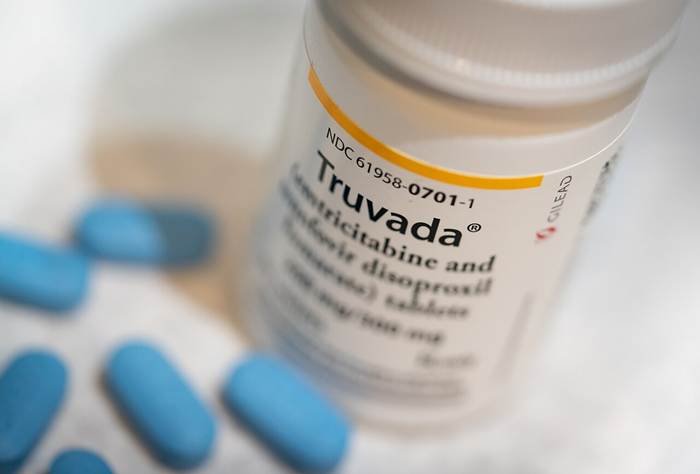
For decades, preventing HIV meant remembering a pill every single day. A single missed dose could open a window for infection, and for many people that daily reminder was the hardest part of staying protected.
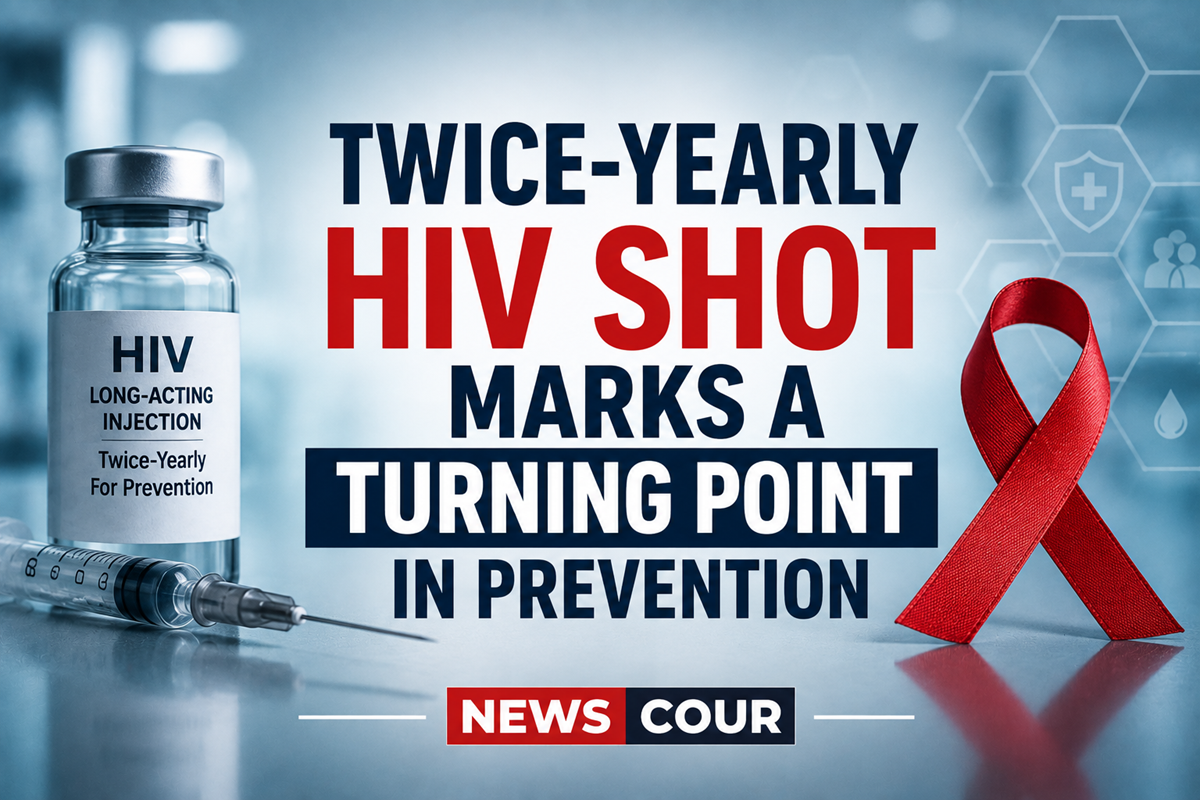
That burden may be ending. A twice-yearly HIV shot called lenacapavir has moved from clinical trials to real-world approval, offering protection from just two injections a year. It is one of the most significant shifts in prevention since the first pills arrived.
Here is what the treatment does, how well it works, and why researchers are calling this a genuine turning point.
What the Twice-Yearly HIV Shot Is
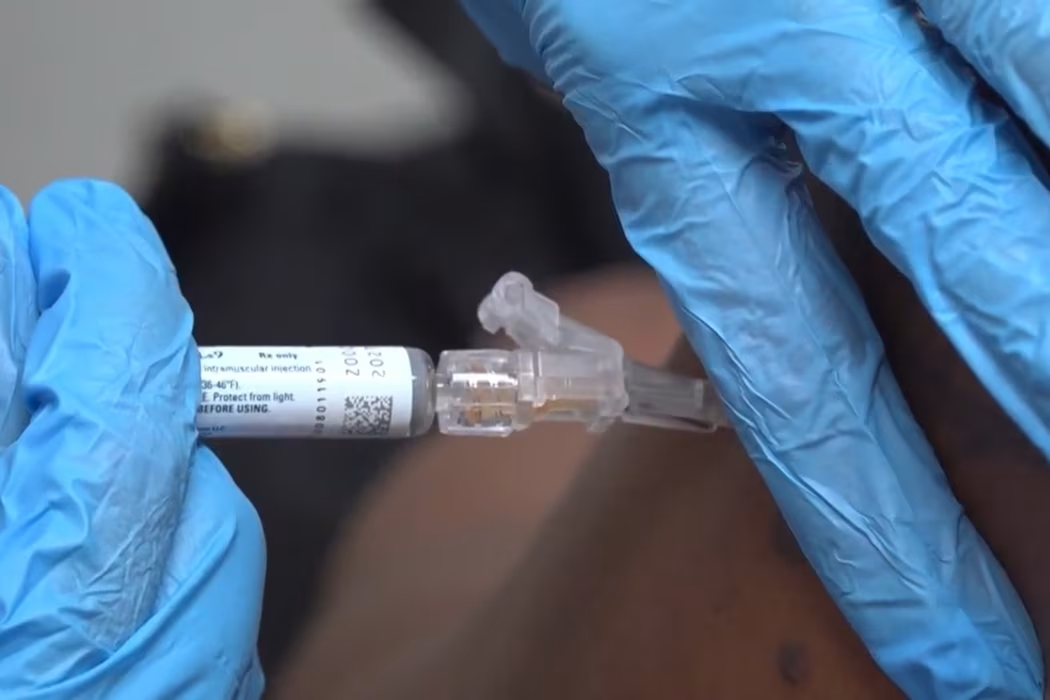
Lenacapavir is a long-acting antiretroviral given as an injection every 26 weeks, or twice a year. It is used as pre-exposure prophylaxis, known as PrEP, meaning it protects people who do not have the virus from acquiring it.
The US Food and Drug Administration approved it under the brand name Yeztugo, calling it the first and only option of its kind. The World Health Organization has also recommended the injection, describing the move as a landmark step that could reshape the global response.
The appeal is obvious. Two appointments a year is a far lighter load than 365 pills, especially for people who struggle with daily routines or who face stigma from keeping medication at home.
Lenacapavir was not new to medicine. It was first approved back in 2022 to treat people with multidrug-resistant HIV, and only later did trials reveal its power as a long-acting prevention tool. That second life, as a shield rather than a last-resort treatment, is what has electrified the field.
How Well the Injection Works
The trial results were striking. In the PURPOSE 1 study among cisgender women, there were zero infections in the lenacapavir group, and the drug showed effectively complete protection.
A companion trial, PURPOSE 2, tested the same injection in cisgender men and gender-diverse people and reported similarly high efficacy. Long-term follow-up data presented in 2026 showed the benefit held up, with the vast majority of participants continuing on schedule through 52 weeks.
Adherence is where the approach may prove its real value. When protection depends on two visits rather than daily discipline, more people stay covered, and that is exactly what the follow-up data suggested.
Why This Matters Beyond One Drug
The injection is part of a wider wave of long-acting options changing how the disease is managed. Prevention and treatment are both moving away from the daily pill model that has defined care for years.
At the 2026 International AIDS Conference in Rio de Janeiro, researchers presented a once-weekly oral treatment combining islatravir and lenacapavir that kept the virus suppressed in people already living with HIV. Separate early work is even exploring a once-yearly injection for prevention.
Taken together, these advances point to a future where staying protected, or keeping the virus in check, no longer organizes a person’s entire day. That is a meaningful change in quality of life, not just chemistry.
The Obstacle That Remains
Efficacy is only half the battle. The harder question is who can actually get this protection, and at what price.
Long-acting injectables have historically carried high costs, and global access depends on manufacturing capacity, pricing agreements, and health systems able to deliver doses on schedule. Gilead, the drug’s maker, has said it is working on access strategies, including discussions in Latin America and lower-income regions.
Without broad and affordable access, a breakthrough in the lab risks reaching only the people who least need help affording prevention. Advocates say closing that gap is now the central challenge, and the reason cautious optimism has not tipped into celebration.
What the Twice-Yearly HIV Shot Means for You
For people at risk of HIV, the practical takeaway is that a real alternative to daily pills now exists and is being rolled out. Anyone considering it should talk to a clinician about whether it fits their circumstances, medical history, and local availability.
The science has delivered something rare, a prevention tool that works with human behavior instead of against it. The true measure of its success will not be the trial numbers, impressive as they are, but how many people around the world it actually reaches in the years ahead.
For another recent leap in long-awaited prevention science, see our report on the first mRNA flu vaccine approval.
A prevention tool is only as good as the arms it reaches, and that is the work now beginning.