A severe bout of COVID-19 can do more than make you sick in the moment. It can also stir dormant viruses that have been quietly living in the body for years, according to a large new study published in the journal Nature.
The research offers a possible clue to why some people struggle to recover long after their infection clears. Here is what the study found, why it matters, and what it does and does not mean for most people.
What the Study Found About Dormant Viruses
Researchers at Boston Children’s Hospital and collaborating institutions studied more than 1,000 patients hospitalized with COVID-19. The work was funded by the National Institutes of Health and involved 15 research institutions across the United States.
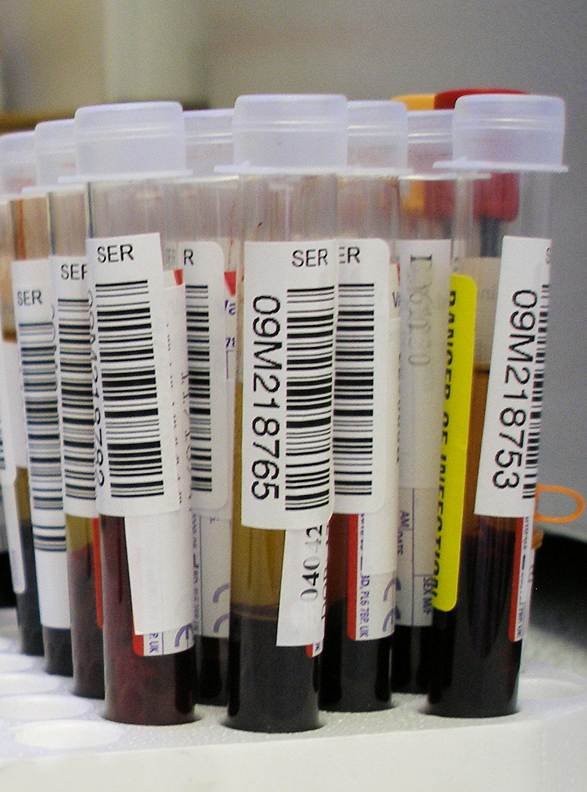
Analyzing blood samples, the team found that nearly half of the patients experienced a reactivation of dormant viruses already present in their bodies. These are pathogens most adults carry harmlessly for life.
The Viruses Involved
The reactivated dormant viruses included several well-known names:
- Epstein-Barr virus, the cause of mononucleosis, which most adults carry.
- Cytomegalovirus, another extremely common lifelong infection.
- Herpes simplex virus type 1, behind common cold sores.
- Anelloviruses, a little-known family usually considered harmless.
The viruses did not all reawaken at once. Instead, different families reactivated on their own timelines, with eleven viruses detected across the first 40 days after admission.
The Link to Long COVID
One finding stood out. The reactivation of anelloviruses, a usually harmless family, was associated with long-term physical disability and long COVID, the condition in which symptoms persist for weeks or months after infection.
That association is a potentially important clue, not a proven cause. Scientists say it points to a direction for future research into why some patients do not fully bounce back.
The scale of the problem is significant. Researchers noted that some estimates suggest more than 10 million US adults have experienced long COVID, and that severe COVID still causes deaths each respiratory season.
What It Means, and What It Does Not
It is important to keep the findings in perspective. The study looked at people hospitalized with severe COVID, not the far larger number who have mild cases, so it does not suggest that a typical infection will reawaken these viruses.
There was also a scientific surprise. The dormant viruses appeared to reactivate in response to inflammation rather than a weakened immune system, challenging a long-held assumption and hinting at new ways to intervene.
For now, the practical takeaway is measured. Experts continue to stress that vaccination remains important for vulnerable groups such as older adults, and anyone worried about lingering symptoms should speak with their doctor. Background on the research is available through the US National Institutes of Health, which funded the work.
This is part of a wave of research trying to unravel the long tail of the pandemic. For a related look at vaccine science, see our report on the first mRNA flu vaccine to win FDA approval.
The study does not rewrite daily life for most people, but it does open a promising line of inquiry. Understanding how these hidden viruses behave may one day help explain, and treat, the illness that lingers long after COVID itself has passed.
Science is still piecing together the long shadow COVID can cast, and studies like this one bring the picture into sharper focus. For clear, verified health news, stay with NEWSCOUR.