For most of the past two decades, the world liked the United States more than it liked China. That is no longer true.
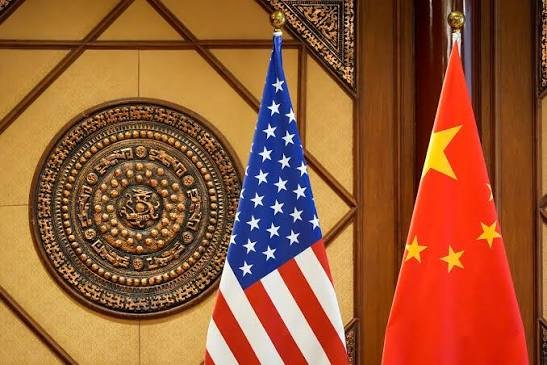
A Pew Research Center survey released Wednesday found that China favorability now exceeds that of the US in 25 of the 36 countries and territories polled. The US comes out ahead in only six. The reversal includes Canada and Mexico, America’s two nearest neighbors, and nearly every major economy in Western Europe.
Here is what the survey found, why opinions moved this fast, and what it does not mean.
What the Survey Actually Measured
Pew interviewed 42,151 adults across 36 countries between 8 February and 13 May 2026. That window matters. It covers the period in which the United States and Israel launched their war against Iran.
The result is a clean reversal of a long-standing pattern in China’s favorability. Global views of the US worsened last year as President Trump’s second term began, but most people still rated the US above China. This year, that flipped. The change is driven from both directions at once, with perceptions of China improving while views of the United States decline.
Where China Favorability Rose Fastest
The single most striking number belongs to Canada.
Only 33 percent of Canadians now view the US positively, down from 57 percent in 2023. Over the same period, Canadian favorable opinion of China climbed from 14 percent to 44 percent. Trump imposed a wave of tariffs on Canadian goods last year and repeatedly suggested Canada could become the 51st state.
Europe moved too, and China’s favorability climbed across the continent. In Italy, 51 percent now see China favorably, up from 31 percent in 2022, the first time in almost two decades of polling that around half of Italians have viewed China positively. In Spain the figure is 54 percent, a 17-point jump in a year and the first net positive reading since 2011. In the UK, where about six in ten held positive views of the US in 2023, opinion of the two countries is now roughly level. Three years ago the gap was 32 points in Washington’s favor.
The six countries where the US still leads include Israel, which tops the list, alongside India, Japan, the Philippines and South Korea.
Why Opinions Moved
Pew’s Laura Silver pointed to a direct relationship between the outbreak of the war and the sense that the US is not contributing to peace and stability, along with falling confidence in Trump personally.
She also listed the other flashpoints: the demands to control Greenland, the American military raid that captured Venezuela’s then-leader Nicolas Maduro, and the US handling of the war in Gaza. In her words, the US has done a lot in terms of global engagement recently that is not being perceived positively internationally.
China benefited partly by comparison and partly from time. The COVID-19 pandemic, which drove China’s global standing to historic lows, has faded as an issue. What is left is a contrast in which China is increasingly seen as the more reliable partner.
The numbers from middle-income countries make that concrete. Across 17 of them, a median of 75 percent say the US interferes in the affairs of other countries a great deal or a fair amount. Only 45 percent say the same of China. In South Africa, 72 percent call China a reliable partner, against 46 percent for the US.
What Rising China Favorability Does Not Mean
This is where most coverage stops and where the survey gets more interesting.
Liking a country is not the same as admiring its system. In only 11 of 37 countries do around half or more say the Chinese government respects the personal freedoms of its people. In North America, almost all of Europe, Japan, South Korea and Australia, roughly three-quarters or more say it does not.
Xi Jinping’s personal ratings remain modest as well. Around half or more view him positively in just 11 of the 37 countries surveyed, though confidence in Xi is now higher than confidence in Trump in nearly two dozen of them. The full data is available in Pew’s published report.
So the shift is real, but it is comparative. The world has not decided that China is admirable. It has decided, for now, that the United States is less appealing than it used to be, and China is the country standing next to it.
What Happens Next
Polls are snapshots, not verdicts. This measure of China favorability was taken during a war the US was actively prosecuting, and opinion recorded during a conflict can change again once the conflict ends.
What is harder to reverse is the pattern underneath. Canada’s numbers did not fall because of one event. They fell across three years of tariffs and annexation talk. Rebuilding a 24-point drop in favorability takes longer than causing it, and the rise in China favorability across Europe suggests Beijing does not need to do much beyond wait.
For more on how US trade policy has reshaped relationships with major economies, see our explainer on how American tariffs affect China’s economy.
Stay with NEWSCOUR for more world coverage.