Three weeks ago, the United States and Iran put their names to a deal meant to end a war. This week, the United States struck around 90 targets across Iran, Iran fired on three Gulf states, and President Trump declared the arrangement over.
And yet, on Saturday, negotiators from both sides are due to meet in Oman.
The Iran ceasefire is not dead, exactly, but it is not alive in any settled sense either. Here is what is actually established, what is only claimed, and what the two sides are still arguing about as the talks resume.
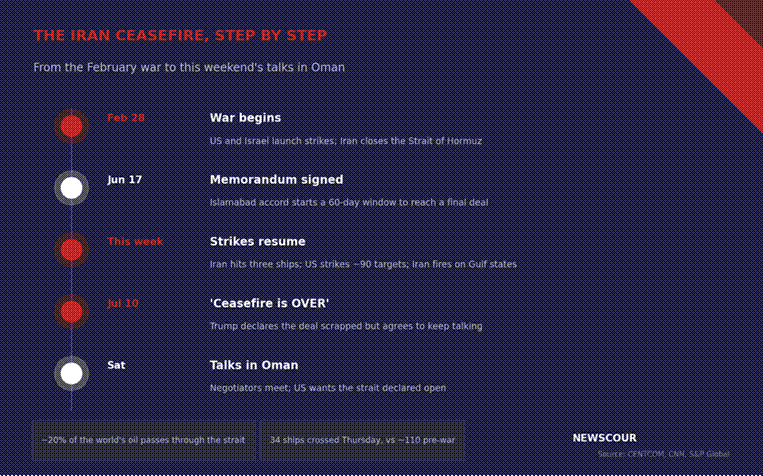
Image source, NEWSCOUR graphic
What Happened This Week
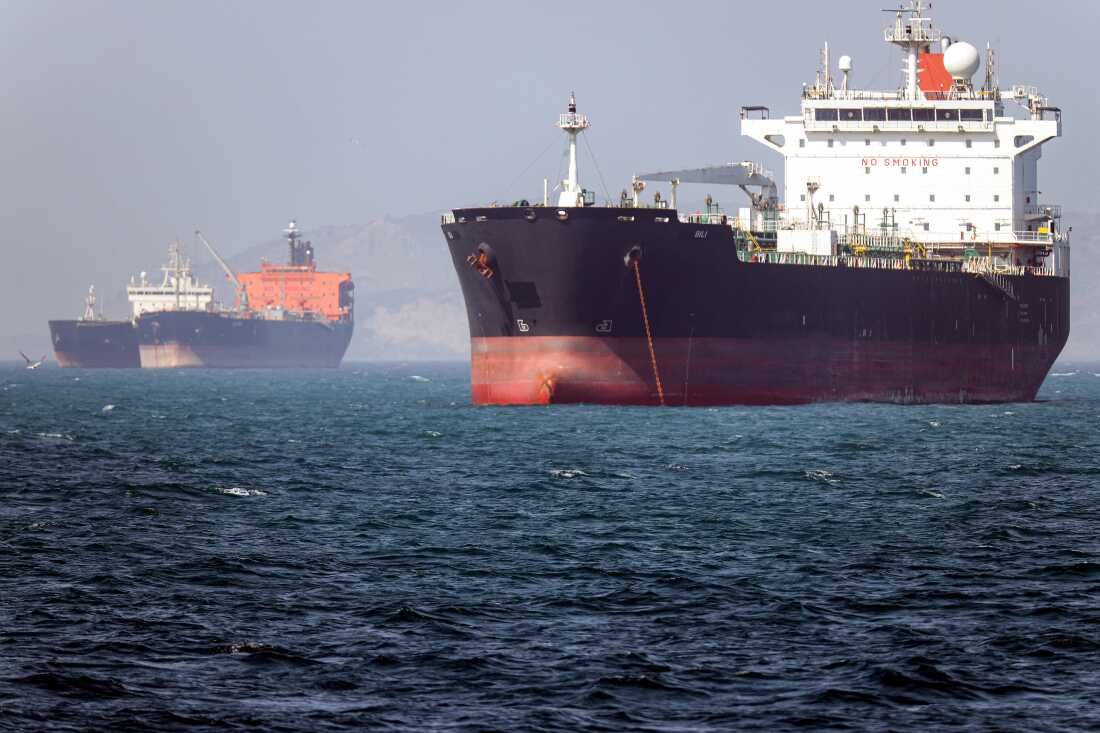
The immediate trigger was the Strait of Hormuz. Iranian forces attacked three commercial vessels transiting the waterway, and US Central Command responded with what it called strikes on approximately 90 Iranian military targets, including air defense systems, coastal surveillance assets, missile and drone storage sites, and naval capabilities along Iran’s coastline.
Iran retaliated against US-allied Gulf states. Kuwait’s armed forces said they detected and intercepted two ballistic missiles and 13 drones, with no damage or injuries reported. Alerts also sounded in Qatar, Bahrain and, hours later, Jordan, which said it shot down eight Iranian missiles. The IRGC said it had fired 10 ballistic missiles at a US command-and-control center and an air base in Jordan, a claim NEWSCOUR cannot independently verify.
Hours before the strikes, the US Treasury revoked the waiver that had allowed Iran to sell its oil, and on Friday imposed fresh sanctions on an Iranian financier. US Central Command described the operation as an effort to degrade Iran’s ability to threaten freedom of navigation in the strait.
Why the Strait of Hormuz Keeps Breaking the Iran Ceasefire
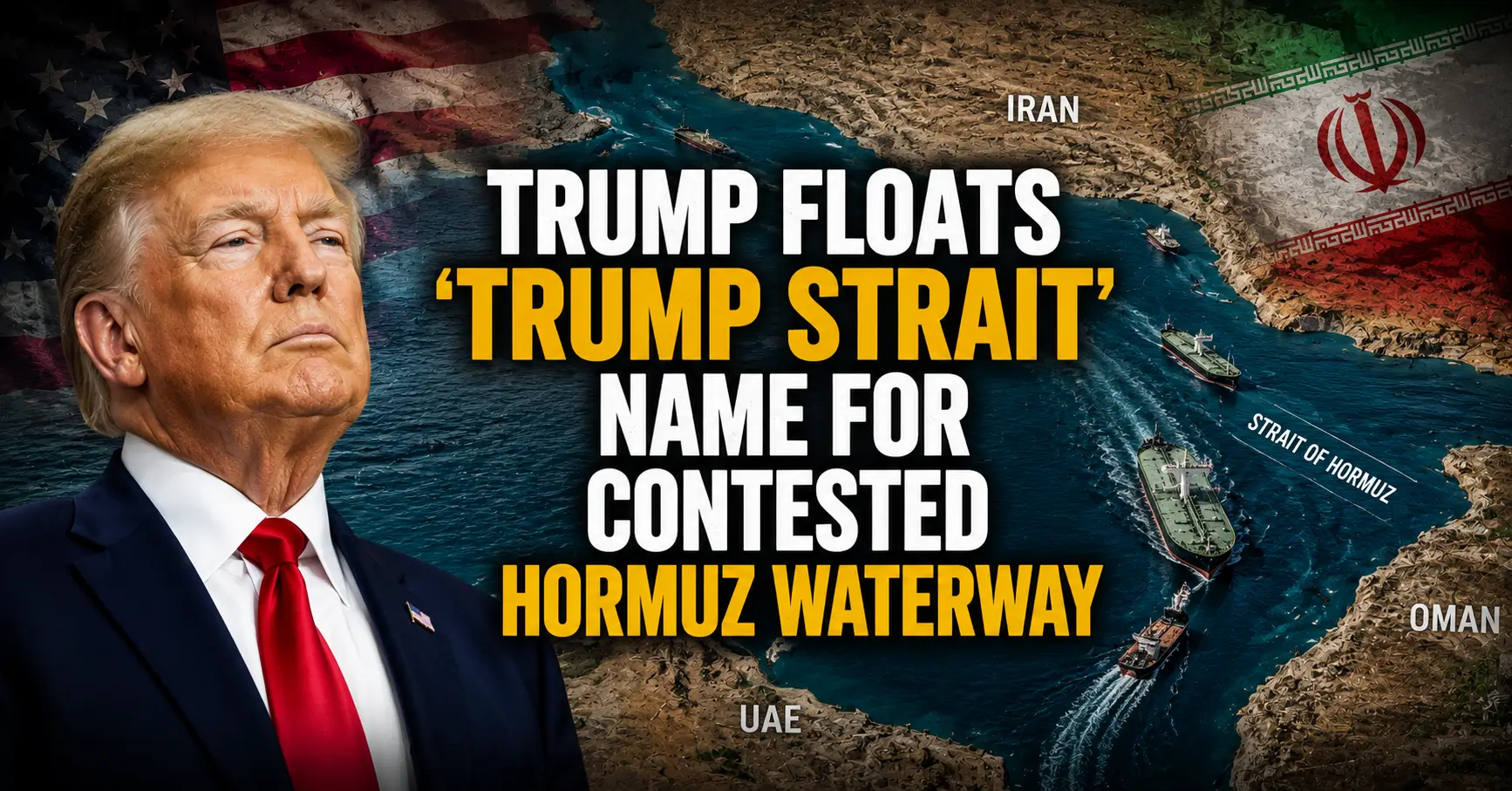
Roughly a fifth of the world’s oil passed through the Strait of Hormuz before the war, and control of it has become the single hardest problem in the talks.
Iran has continued to assert authority over parts of the waterway, insisting on its right to charge a fee for passage and, according to US officials, attacking ships to enforce that claim. The memorandum of understanding signed in June does not settle the question. It calls only for Iran to make arrangements for the safe passage of commercial vessels and to work with Oman to define the strait’s future administration, deliberately ambiguous language that both sides now read differently.
The practical effect is visible in the shipping data. Traffic through the strait fell to 34 vessels on Thursday, the lowest daily figure since late June, against a pre-war average of about 110 a day.
What Both Sides Are Saying
Trump’s public position is contradictory by design. He has declared the ceasefire over while agreeing to keep talking, telling reporters aboard Air Force One that Iran wanted a deal badly while adding that he did not know whether they were worthy of one. On Truth Social, he wrote that the deal is over, but that Iran had asked to continue talks and the US had agreed.
He has also escalated his rhetoric sharply, posting that 1,000 missiles were locked and loaded and aimed at Iran should the government attempt to assassinate him, and threatening a one-year campaign to destroy all areas of the country.
Iran’s account is different. Its negotiators say the US violated the deal through the strikes, the reinstated oil sanctions, and what Tehran called persistent threats of further attacks. Chief negotiator Mohammad Bagher Ghalibaf said Iran remains distrustful of the Americans and is prepared for all-out defense if the memorandum is broken, while insisting the war will never end with Iran’s surrender.
Privately, the picture is softer. Senior US officials say Iranian representatives told them the ship attacks were a mistake by an errant faction of hardliners trying to derail negotiations, and that Tehran wants to keep talking. They came back and said they had made a mistake, one official said.
The Threat That Goes Furthest
At the NATO summit in Ankara, Trump raised the possibility of striking Iran’s electric and desalination plants, saying he did not want to but would take them out if necessary.
That threat carries legal weight. Deliberately targeting critical civilian infrastructure such as water and power supply could constitute a war crime under international humanitarian law. CENTCOM has so far described its targets as military, though one apparent strike near a bridge in Golestan province, roughly 900 miles from the strait, suggests the campaign has widened geographically even as it stays nominally military.
What Happens Now
The immediate test is Oman. Iranian Foreign Minister Abbas Araghchi is expected there on Saturday, and the US team, led by Vice President JD Vance with Jared Kushner, Steve Witkoff and Marco Rubio, has been directed to continue negotiating.
The US wants one thing first: a public Iranian statement that the Strait of Hormuz is open and that commercial vessels will not be attacked. Without it, officials say, the two sides will never reach the nuclear question at the center of the war. Oil markets are watching every signal, with Brent crude trading around $76 a barrel and US crude near $72.
For now, the Iran ceasefire exists in a strange middle state, formally declared over, practically still holding, with negotiators boarding flights to talk about a deal that neither side quite trusts. Whether it survives the next attack on a ship in the strait is the question nobody at the table can answer.
Oil sanctions and jet-fuel prices ripple out from the strait. Our explainer on how oil is priced sets out the mechanism, and we examine what the standoff means for summer airfares.
Follow NEWSCOUR for more updates!