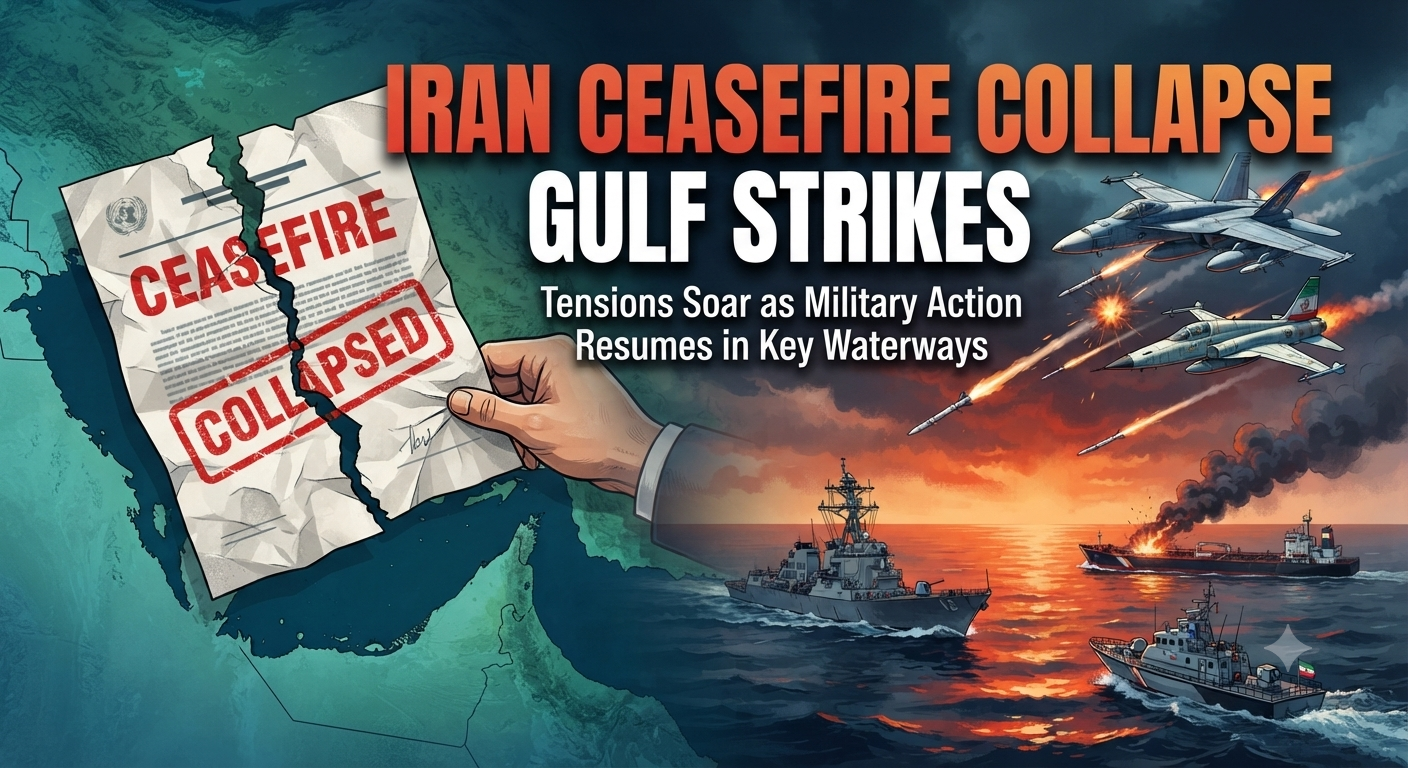
The deal that was supposed to end the war now exists only on paper, and as of this weekend, not even both signatures stand behind the paper.
The Iran ceasefire collapse became official on Saturday when Deputy Foreign Minister Kazem Gharibabadi announced that Tehran has suspended all of its commitments under the June memorandum, telling state media that Iran is no longer implementing the agreement because it is busy defending the country. The declaration followed the deadliest week of the conflict since spring: eight consecutive nights of US strikes, the deaths of two American soldiers in Jordan, and Iranian missile attacks that knocked out power and water infrastructure in Kuwait.
The war that both presidents signed away in June is back, and this time neither side is pretending otherwise. Here is where things stand.
How the Iran Ceasefire Collapse Became Formal
Gharibabadi’s language left little room for interpretation. He said the United States had violated all its obligations in the four corners of what Tehran calls the Islamabad Memorandum, the Pakistan-mediated agreement signed digitally on June 14, and that Iran had responded by suspending its own. Supreme Leader Ali Khamenei went further, deriding President Trump’s signature on the document as worthless.
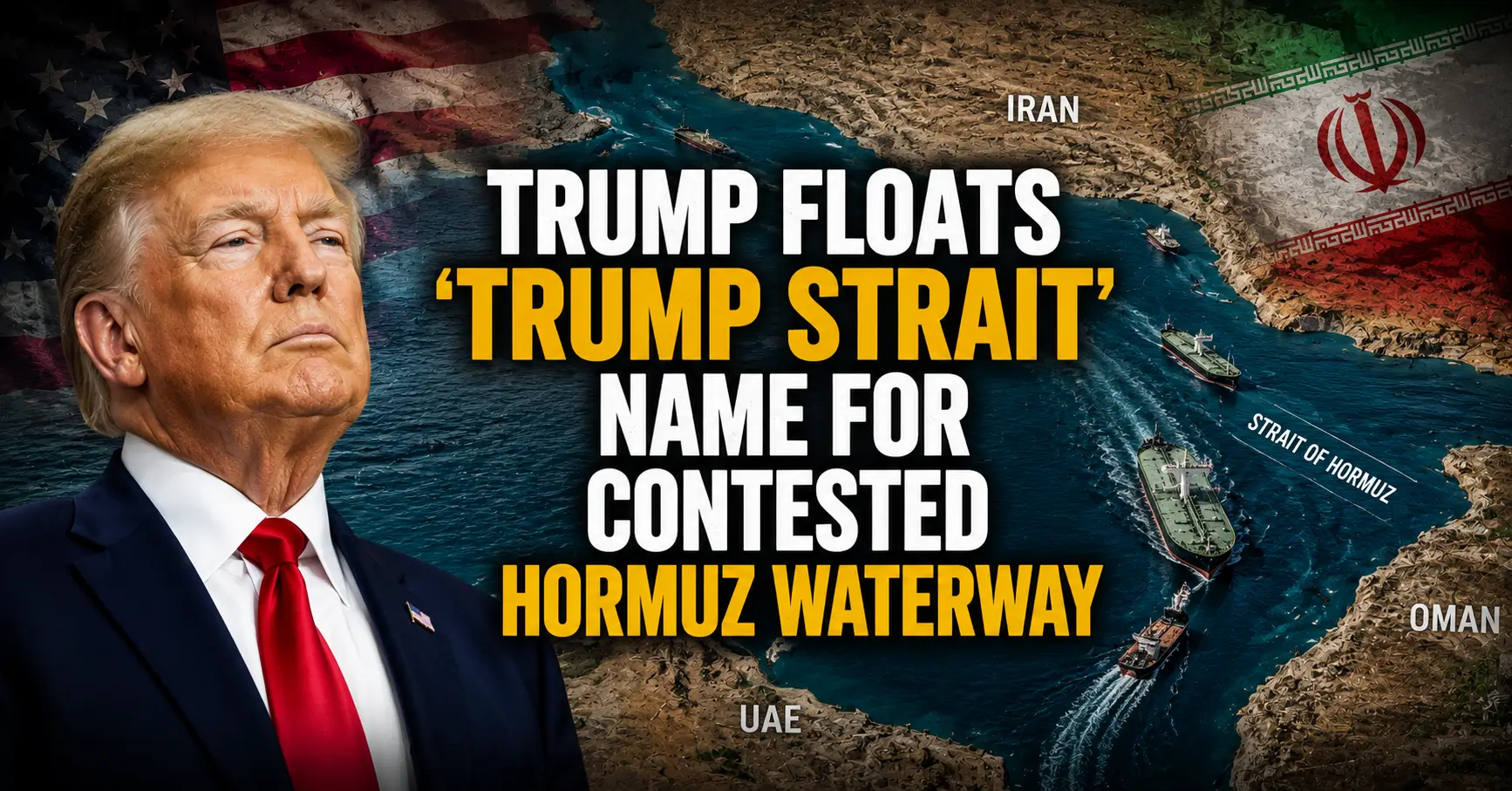
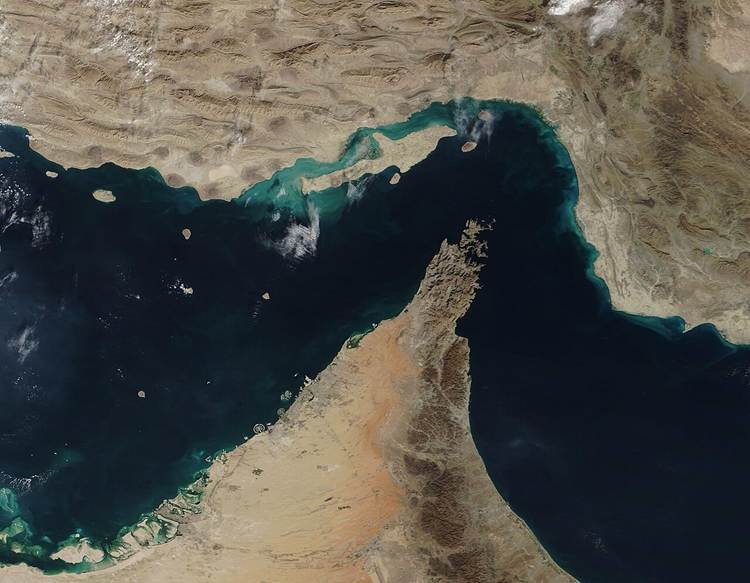
Washington’s position is the mirror image. Trump declared the ceasefire over more than a week ago after an Iranian drone attack on a ship in the Strait of Hormuz, saying he no longer wanted to deal with Tehran, and his administration argues Iran breached the deal first. Each side now cites the other’s violations as the reason its own commitments no longer apply, which is what the end of an agreement looks like when nobody wants to say the word withdrawal.
Eight Nights of Strikes and a Widening Target List
The US campaign has run every night for more than a week. US Central Command said its latest round hit surveillance sites, military logistics, underground weapons storage, and maritime capabilities, and described the newest strikes as punishment for the attack in Jordan that killed two American service members, the first US military deaths from Iranian fire since March. A third service member is listed as missing.
Iran’s response has reached far beyond the strait. Kuwait reported that Iranian strikes hit a desalination plant and then a second power and water facility a day later, shutting down several power generation units and forcing Kuwait International Airport to suspend operations under repeated missile and drone threats. Bahrain and Jordan also came under fire. Iran says the American campaign has killed at least 38 people since the memorandum was signed, a figure NEWSCOUR cannot independently verify.
What the Iran Ceasefire Collapse Means for the Talks
Formally, the negotiating channel still exists. Practically, mediators in Qatar and Pakistan are described as watching a process that has stopped moving, and the 60-day window the memorandum opened for a permanent deal now expires with the two sides bombing each other rather than talking. Tehran has threatened a full-scale offensive if the strikes continue, while Washington has offered little clarity on how long its campaign will run or what would end it.
The economic stakes have not moved: a fifth of the world’s oil and gas normally transits the strait that both sides are fighting over, and the naval blockade of Iranian ports remains in force. For how the deal was already fraying before this weekend, see our earlier explainer on what is left of the Iran ceasefire.
What Happens Now
The suspension is not, in Tehran’s telling, a withdrawal, and that distinction is the last thread the diplomats have to pull on. A suspended commitment can in theory be resumed; an abandoned one cannot. But after eight nights of strikes, dead soldiers on one side and darkened cities on the other, the Iran ceasefire collapse has moved from an argument about interpretation to a fact on the ground. The question left is not whether the June deal survives. It is what, if anything, replaces it.
Follow NEWSCOUR for more updates!