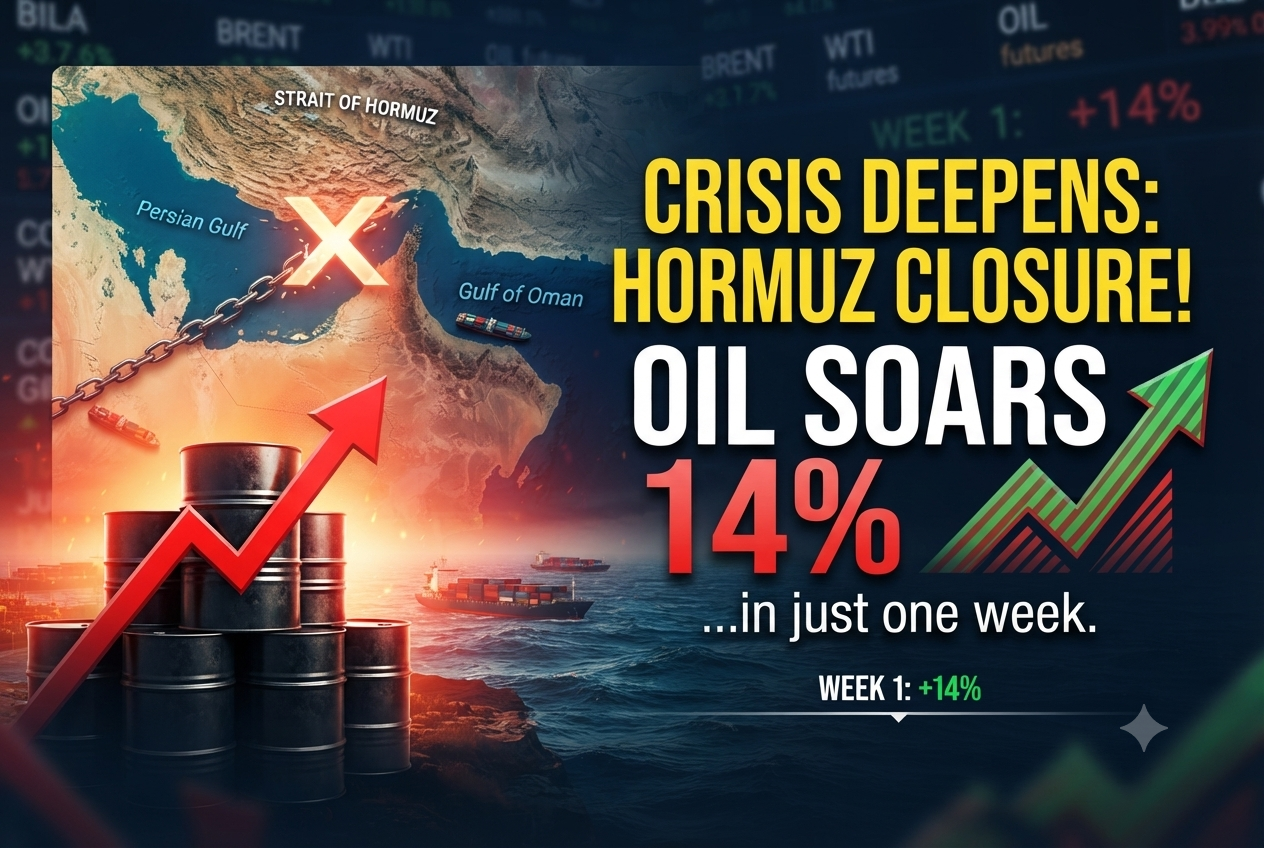
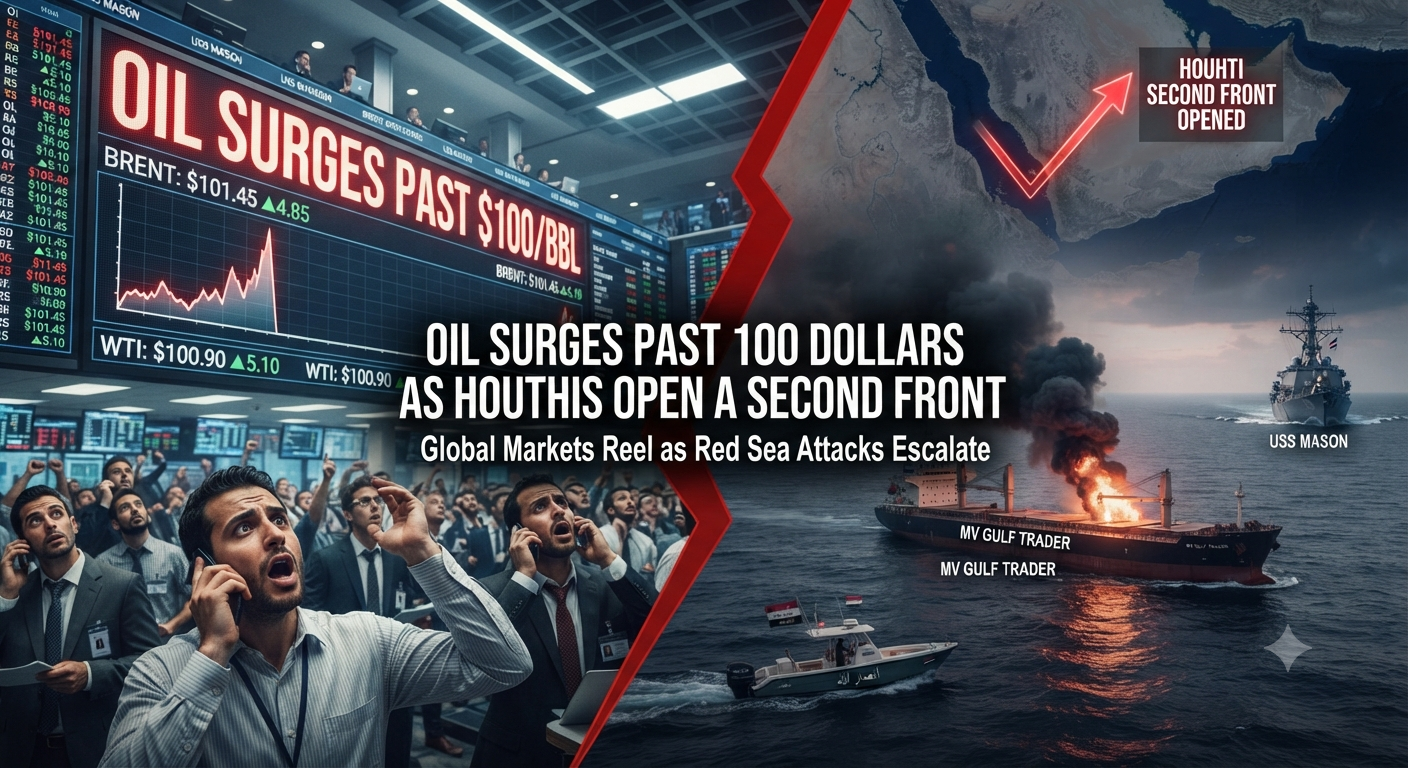
The oil market just ran out of workarounds.
Oil surges past $100 a barrel Thursday, with global benchmark Brent crude jumping nearly 7 percent to $100.65, its highest level since May, after Yemen’s Houthi rebels said they had struck two Saudi oil tankers in the Red Sea. The attack marks the first time since the Iran war reignited that ship strikes have spread beyond the Strait of Hormuz, hitting the very route Saudi Arabia had been using to avoid it. US crude, West Texas Intermediate, climbed toward $90 the same day.
Here is why this specific attack rattled markets more than the past two weeks of fighting, and why there may be nowhere left for tankers to hide.
Why Oil Surges Past $100 Now, Not Two Weeks Ago
Brent has been climbing for five straight sessions and is up roughly 40 percent this month alone, but Thursday’s jump was different in kind, not just size. Since April, Saudi Arabia had rerouted about 3.5 million barrels a day of crude exports through its Yanbu terminal specifically to reach the Bab el-Mandeb Strait and avoid the Strait of Hormuz, which Iran has kept largely shut. That workaround was the reason global supply had not collapsed even as Hormuz stayed closed.
The Houthis ended that option. A spokesman for the Iran-aligned group, Yahya Saree, said fighters had targeted two named tankers, the Encelia and the Layla, for violating a naval blockade Yemen had declared against Saudi shipping days earlier. A Saudi news agency later confirmed one of the two vessels caught fire. The UK’s Maritime Trade Office separately reported a tanker struck by an unknown projectile near the strait. With both major chokepoints now contested, the market lost its remaining sense that oil could still move if Hormuz stayed blocked.
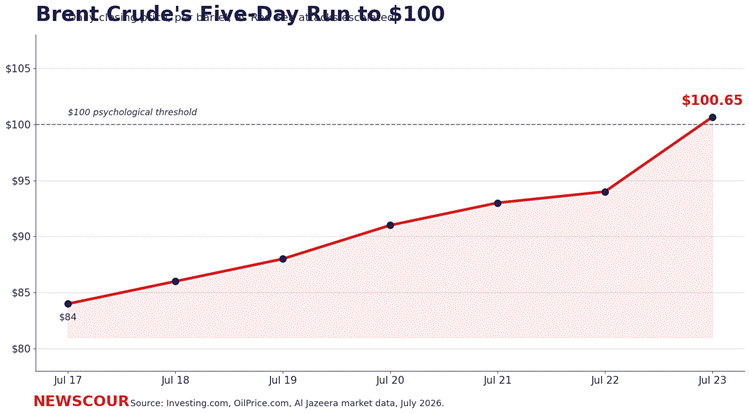
Alt text: Chart showing oil surges past $100 a barrel over five trading days as Brent crude climbed from the mid 80s
Caption: Five sessions, one new front, and a price level not seen since May. (NEWSCOUR graphic)
Why the Red Sea Matters as Much as Hormuz
The Bab el-Mandeb Strait, the narrow waterway the Houthis are now targeting, is not a side street. Somewhere between 12 and 15 percent of global maritime trade, worth more than a trillion dollars a year, passes through it, along with the millions of barrels a day that make up Saudi Arabia’s Hormuz workaround. Tankers avoiding it entirely would need to sail around the southern tip of Africa, adding weeks to voyages and sharply raising shipping costs on top of already elevated prices.
This is precisely the scenario in which oil surges past $100 stops being a warning and starts being reality. It is the escalation this account flagged as the biggest downside risk when the global fuel crisis first deepened this month. A second chokepoint closing on top of Hormuz was the scenario analysts had penciled in for triple-digit oil, and this week it stopped being hypothetical.
The Wider War Behind the Barrel Price
The Red Sea attack that sent oil surging past $100 did not happen in isolation. It landed as the US carried out its twelfth consecutive night of strikes on Iran, and President Trump responded to the tanker attacks by threatening what he called major military punishment against the Houthis if the strikes continue. The move also complicates the diplomatic picture, since it came the same day Iraq’s prime minister was in Tehran urging peace and pledging that Iraqi territory would not be used to strike Iran. For the collapse of the ceasefire that set all of this in motion, see our earlier report on the Iran ceasefire collapse.
Congress, meanwhile, is still arguing over who pays for the war generating these shocks, a fight playing out even as the price consequences of that war show up at ports and pumps worldwide.
What Happens Now
Markets are watching two things: whether the Houthis follow through on threats to fully close Bab el-Mandeb to Saudi-linked shipping, and whether Washington’s promised retaliation against Yemen opens yet another front rather than closing this one. Until one side backs down, the fact that oil surges past $100 looks less like a spike and more like a new floor, with the ceiling still an open question.
Stay with NEWSCOUR for the latest on oil markets and the war moving them.