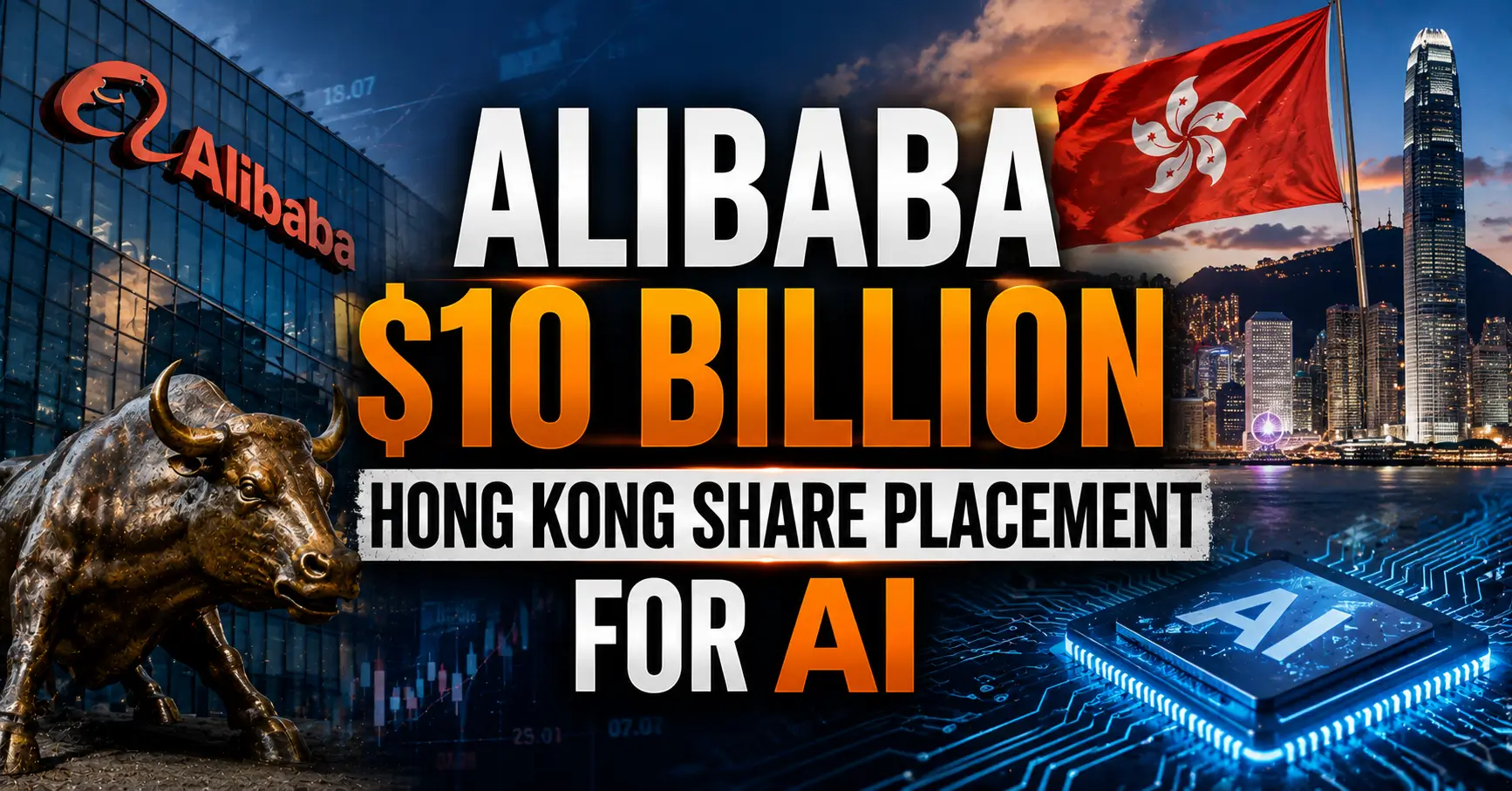
Alibaba’s $10 billion Hong Kong share placement landed on markets Sunday like a thunderclap, and it tells you everything about how expensive the AI race has become. The Chinese tech giant isn’t raising cash to survive. It’s raising cash to keep up.
Alibaba $10 Billion Hong Kong Share Placement: What Happened
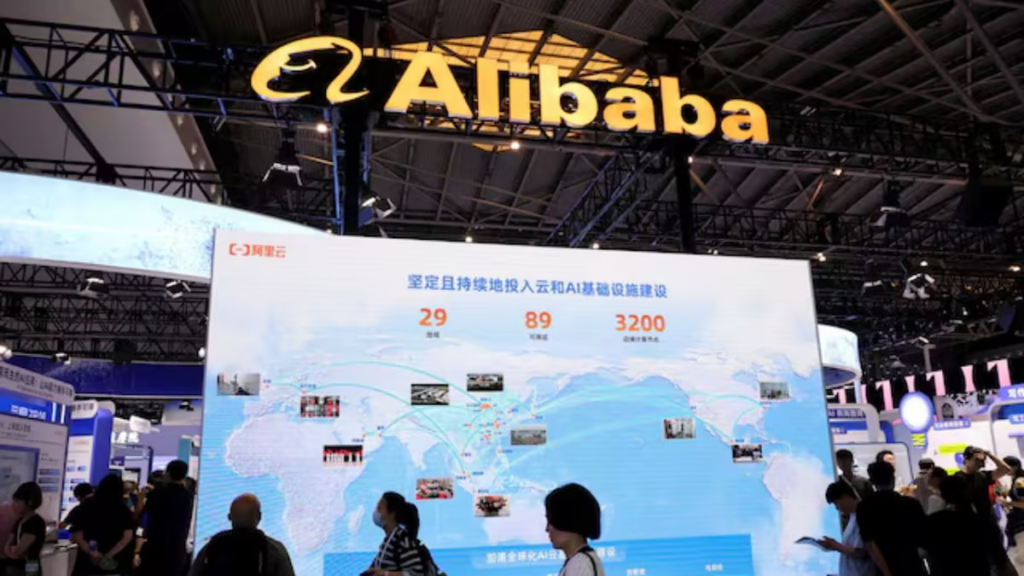
Alibaba confirmed plans to sell HK$80 billion, roughly $10.2 billion, in new shares to fund artificial intelligence development. The company said it would direct 100% of net proceeds toward “full-stack” AI capabilities, spanning chips, infrastructure and model deployment.
The deal is already historic. It’s the largest primary follow-on offering ever from a Hong Kong-listed company, and the third-largest globally this year, trailing only Alphabet and Intel’s recent raises.
Why Alibaba Needs $10.2 Billion for AI Right Now
Money doesn’t move this fast without pressure behind it. Alibaba’s net profit fell 75% year-over-year last quarter, a direct hit from surging capital expenditures tied to AI buildout.
READ MORE: US National Debt Tops $40 Trillion for the First Time
CEO Eddie Wu framed it plainly on the earnings call: the company must build compute capacity first to capture future growth. Capex hit roughly RMB 67.7 billion, near $9.5 billion, in a single quarter.
Inside the Deal: Price, Shares and Bookrunners
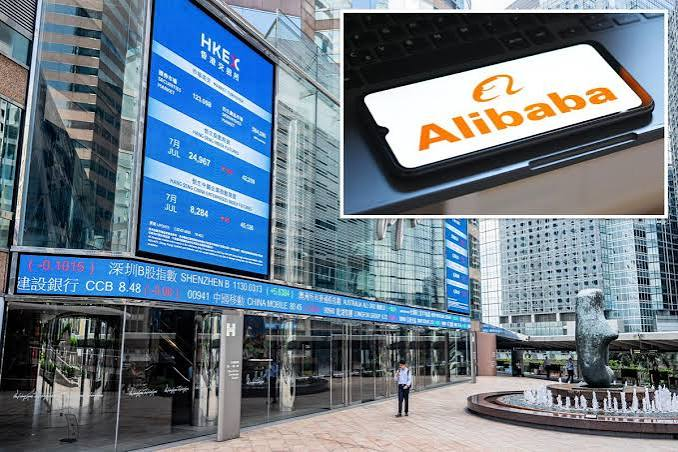
The mechanics are straightforward but telling. Alibaba plans to sell 710 million ordinary shares at HK$112.70 each, a 3.6% discount to the last closing price — modest by placement standards.
Morgan Stanley, HSBC, UBS and CICC are running the offering as joint bookrunners. Structured as an offshore Regulation S deal, it excludes U.S. investors entirely from direct participation.
- HK$80 billion (~$10.2 billion) total raise
- 710 million new ordinary shares
- HK$112.70 per share, a 3.6% discount
- Bookrunners: Morgan Stanley, HSBC, UBS, CICC
- Structured for non-U.S. investors only
Investor Demand and the Oversubscription Story
Demand outpaced expectations almost immediately. Sources familiar with the deal told Reuters that sovereign wealth funds were among the buyers driving interest well beyond the original offering size.
That oversubscription pushed Alibaba to enlarge the placement. Long-duration institutional buyers stepping in is a signal worth noting — it suggests confidence in Alibaba’s AI trajectory beyond short-term profit dips.
Alibaba’s Broader AI Spending Spree
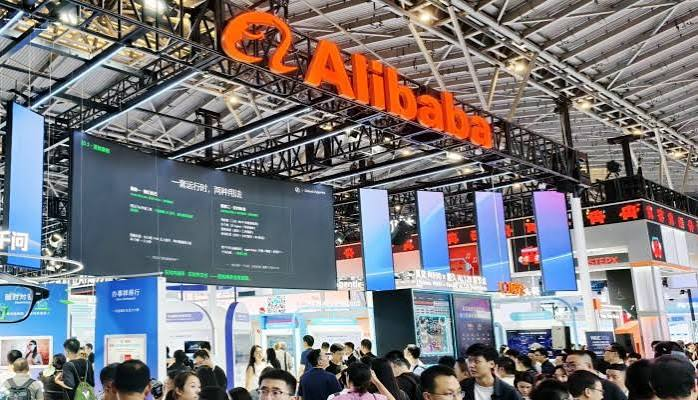
This raise doesn’t stand alone. Alibaba pledged RMB380 billion, about $53 billion, toward AI and cloud infrastructure over three years back in February 2025, and reports suggest that figure could climb toward RMB480 billion.
Its Qwen model family has become one of the most widely adopted large language model lineups globally this year, while Alibaba Cloud remains the dominant cloud provider inside China.
How the Raise Stacks Up Against Global AI Capex
Numbers help put Alibaba’s ambition in context against rivals racing down the same road.
| Company/Deal | Amount | Purpose |
|---|---|---|
| Alibaba Hong Kong placement | $10.2 billion | Full-stack AI infrastructure |
| Alphabet follow-on offering | $80 billion | Broader corporate financing |
| Intel share sale | $15 billion | Chip manufacturing expansion |
| US hyperscalers (2026 combined) | ~$725 billion | AI data centers, chips, cloud |
| Alibaba 3-year AI/cloud pledge | ~$53 billion | Infrastructure buildout |
Even at $10.2 billion, Alibaba’s single raise is roughly half the European Union’s entire AI gigafactory commitment of about €20 billion — a comparison that underscores just how capital-intensive this race has become.
Market and Expert Reaction
Wu told a Hangzhou developer conference that industry demand for AI infrastructure “far exceeded our anticipation,” a rare admission that even aggressive spending plans are struggling to keep pace with usage.
Analysts tracking the offering note the discount was unusually modest for a deal this size, suggesting bankers priced it for speed rather than deep concessions, betting demand would cover the gap.
What Comes Next for Alibaba and Its Investors
Alibaba now faces a 90-day lockup period following the placement, a standard cooling window before major shareholders can sell freely into the market again.
The bigger question is whether faster cloud and AI revenue growth can eventually justify capital spending. That verdict from investors will define Alibaba’s next fiscal year, not this quarter’s headlines.