Mark your calendar for Wednesday. Astronomers say a night this good for August 12 skywatching may not happen again for years.
This August 12 skywatching event is being called one of the richest single days for stargazers in recent memory. A total solar eclipse, a six-planet alignment, Venus at its most striking, and the year’s best meteor shower all land within about 24 hours of each other.
Here is what happens, when, and how to actually see it.
What Makes This August 12 Skywatching Day So Rare
Solar eclipses and meteor showers happen every year on their own. It is unusual for four major events to stack inside a single day and night.
NASA describes the combination as offering almost every major kind of celestial event in one month, with August 12 as its centerpiece. About a billion people will fall under the Moon’s shadow at some point during the eclipse alone.
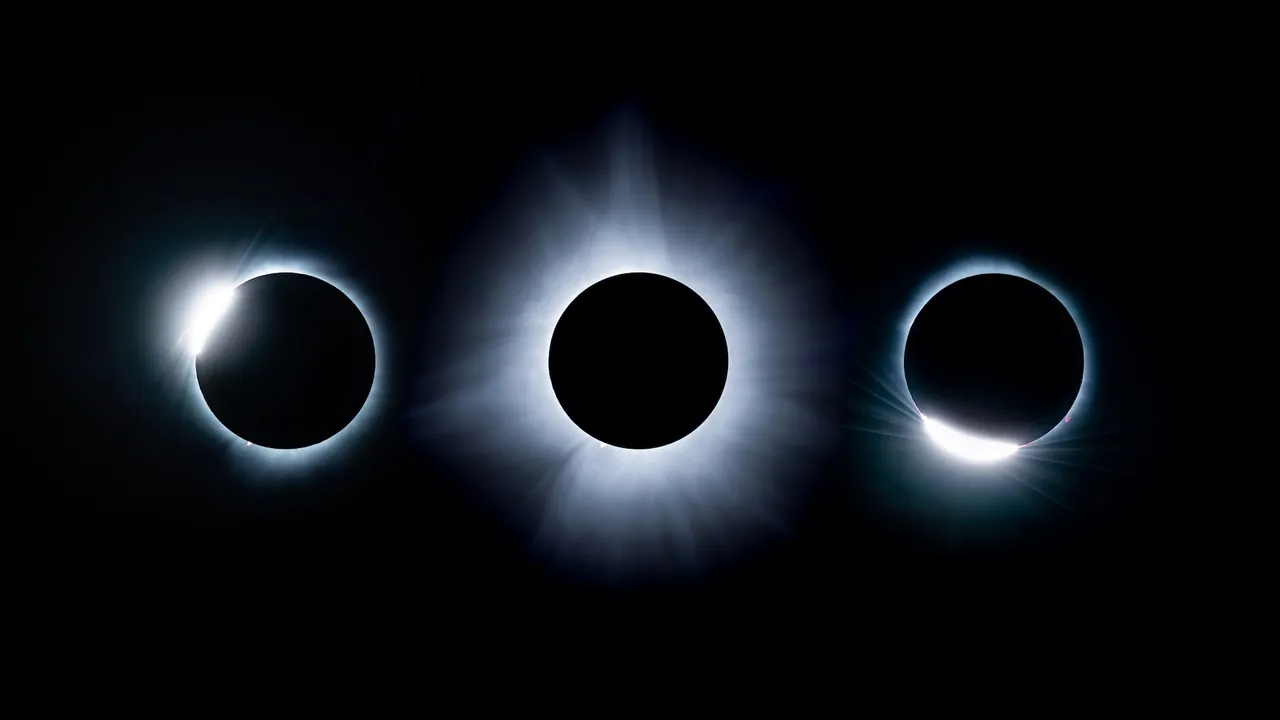
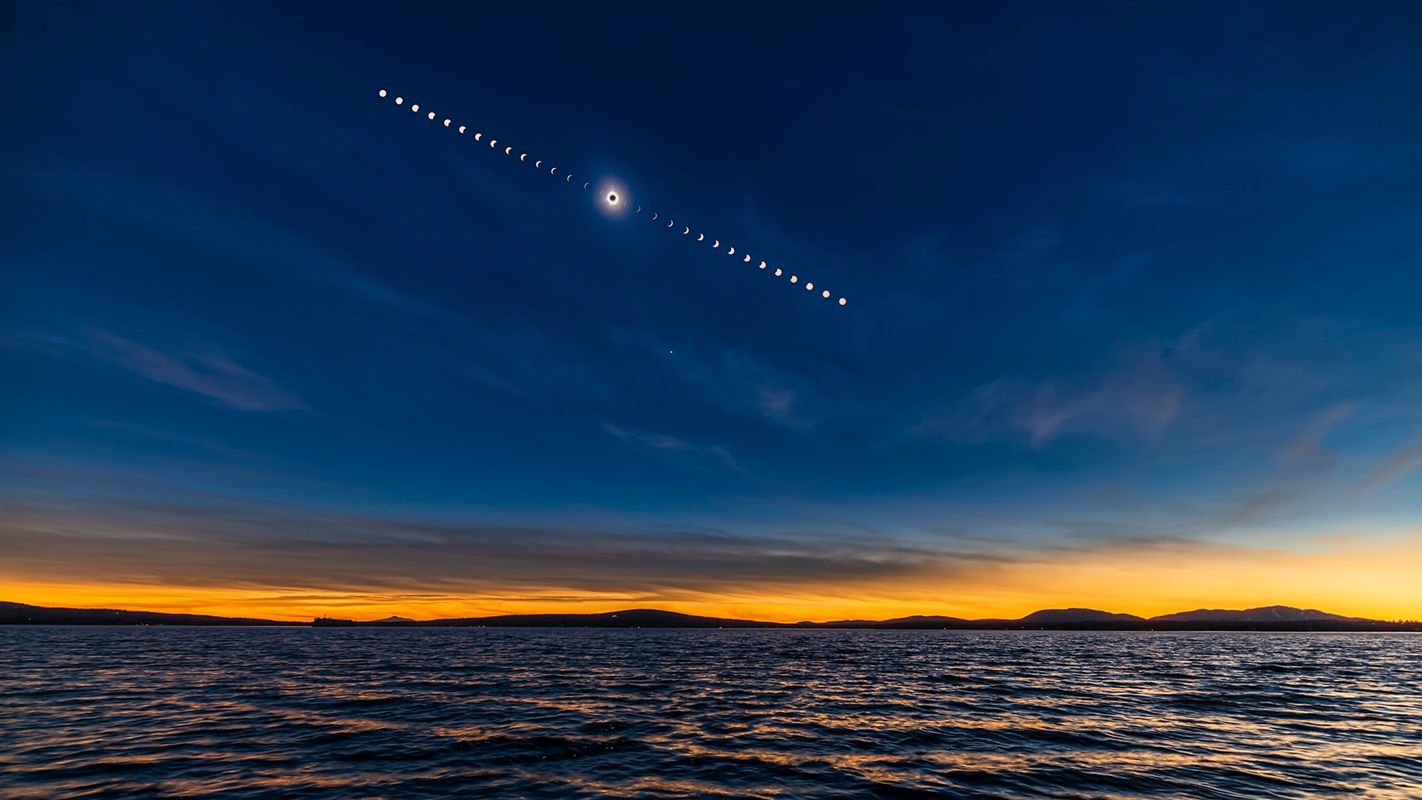
The Total Solar Eclipse Opens the Day
Every August 12 skywatching plan should start with eclipse safety. The eclipse begins the sequence, and it is the one event you cannot view directly without protection.
The eclipse begins the sequence. Totality crosses northern Russia, Greenland, Iceland, and a sliver of northern Spain and Portugal.
A partial eclipse will be visible across much of Europe and parts of the United States and Canada, from Alaska to North Carolina. Anyone viewing any part of the eclipse needs certified eclipse glasses or a safe solar viewer, since looking directly at the Sun can cause permanent eye damage.
A Six Planet Alignment Before Sunrise
Early risers get their own show first. Mercury, Mars, Jupiter, Uranus, Saturn and Neptune will all line up across the pre-dawn sky.
Venus is the one planet that will not join this particular lineup. It gets its own moment later in the day instead.
Venus Reaches Dichotomy as Night Falls
As the sky darkens, Venus takes over. The planet reaches what astronomers call dichotomy, the point where it appears exactly half lit through a telescope.
To the naked eye, Venus will simply blaze low in the western twilight at magnitude negative 4.4, brighter than every star around it. Look for it shortly after sunset.
The Perseids Peak Under a Moonless Sky
The night’s main event comes last. The Perseid meteor shower peaks overnight into August 13, and this year it lines up almost perfectly with a new moon.
That timing matters. No moonlight means darker skies, which means even faint meteors become visible.
The American Meteor Society expects 80 to 100 meteors an hour under good conditions, including occasional bright fireballs. According to NASA, the Perseids come from debris left behind by Comet Swift-Tuttle, burning up as it hits Earth’s atmosphere.
For the best view, find a dark spot away from city lights. Look toward the northeast once full darkness falls, then let your eyes wander, since meteors can streak across any part of the sky.
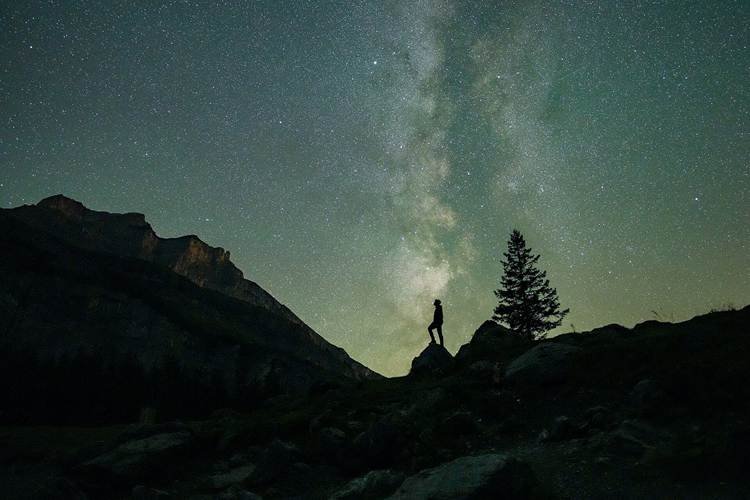
Give your eyes about 30 minutes to adjust before you start counting. If skies stay clear, the Milky Way itself should be visible arching overhead by midnight, stretching through the Summer Triangle.
What Comes Next This Month
August 12 skywatching is not the only date worth marking this month. Venus reaches its greatest evening elongation around August 14 through 16, its widest separation from the Sun in the sky.
A deep partial lunar eclipse follows on August 27 into 28, visible across much of the Americas and parts of Europe and Africa. Together with a discovery we recently covered about how deep sea gold kitchen systems quietly build mineral wealth beneath the ocean, it has been a strong month for reminders of how much is happening around us that most people never notice.
Clear skies, and happy watching, from all of us at NEWSCOUR.