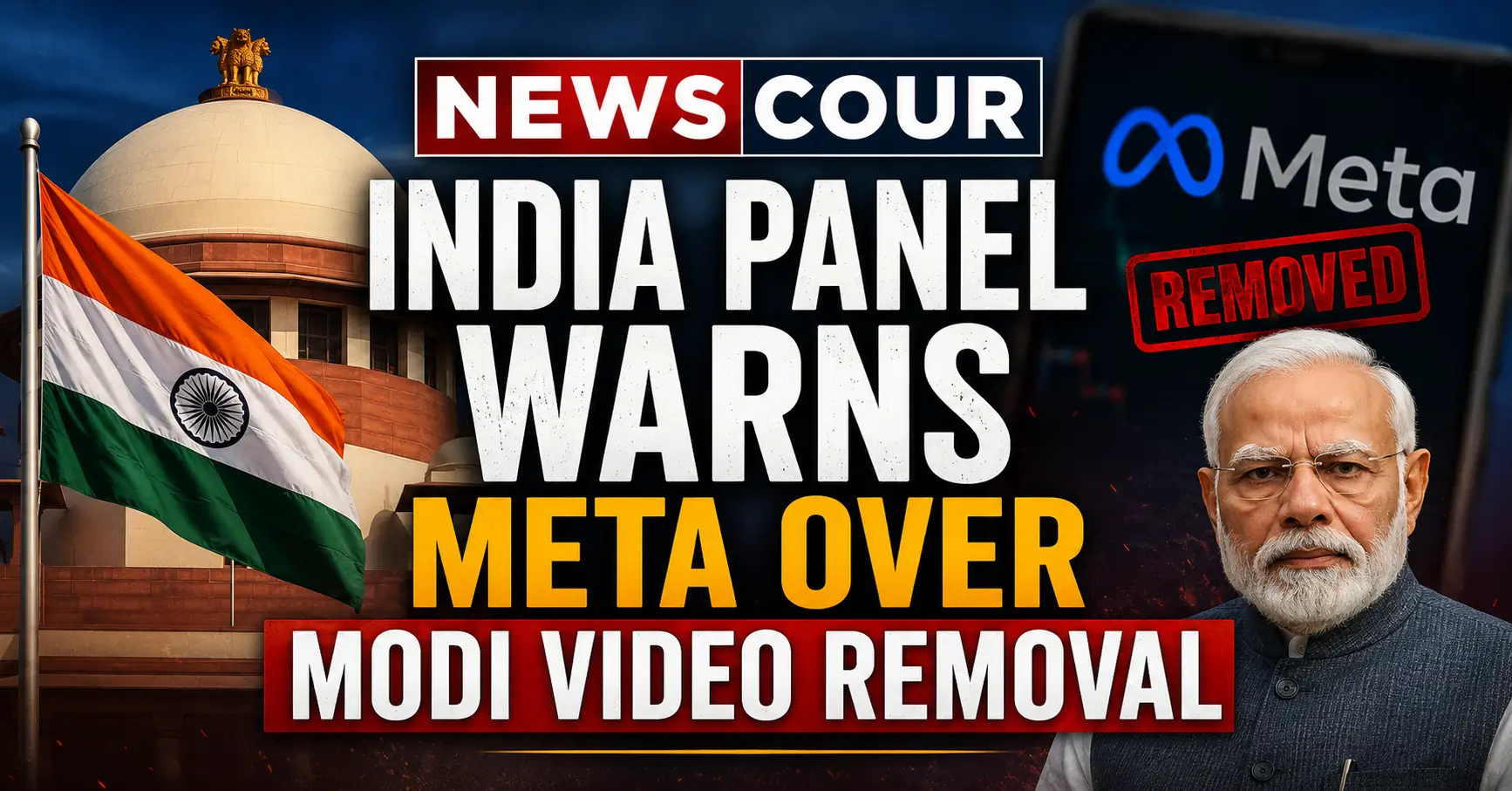
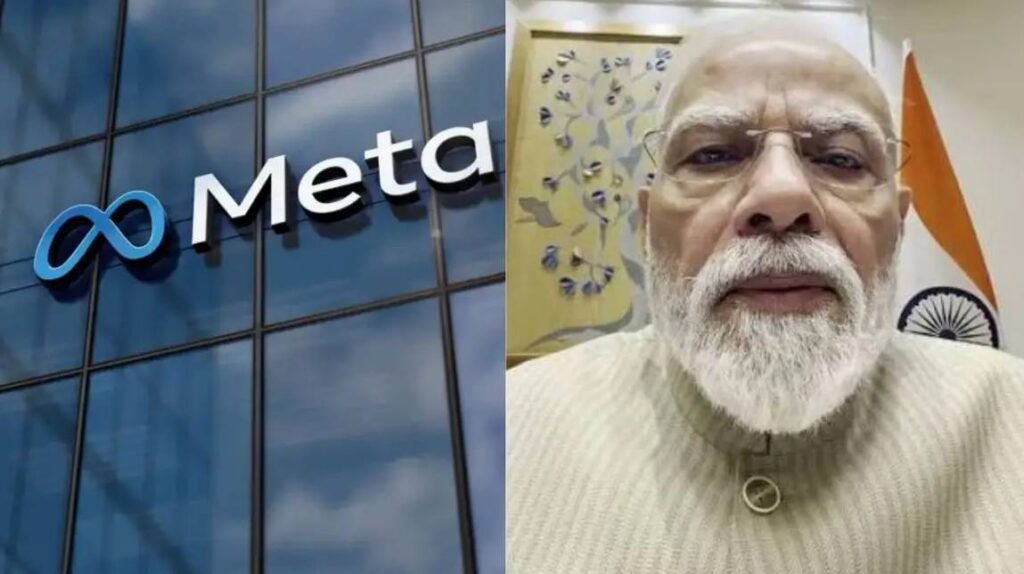
A three-day countdown is now running against one of the world’s most powerful tech executives. The Meta Modi video removal controversy has escalated from a routine content-moderation complaint into a direct threat against the company’s legal protections in its largest market. An Indian parliamentary panel wants an apology from Mark Zuckerberg himself — and it isn’t bluffing about the consequences.
What Happened: Timeline of the Modi Video Takedown
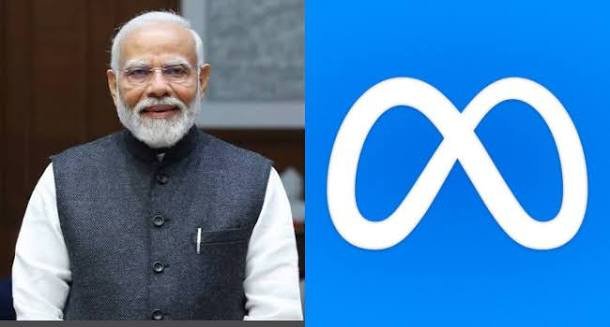
On July 23, Prime Minister Narendra Modi posted a vertical video addressing student protesters, promising tougher laws against exam paper leaks. It was his first vertical-format post, aimed squarely at young Instagram users following weeks of unrest.
The video vanished from Facebook and Instagram for close to five hours before being restored. Meta blamed a technical glitch. Indian officials weren’t satisfied, and the Ministry of Electronics and Information Technology summoned the company’s global team for a face-to-face reckoning.
- July 23: Modi posts video during height of youth protests
- July 28: Facebook removes the post; restored same day
- Aug 3: Parliamentary committee meeting escalates the matter
- Aug 5–6: Meta’s global team summoned to New Delhi
Parliamentary Panel’s Ultimatum to Mark Zuckerberg
Nishikant Dubey, the BJP lawmaker who chairs the Parliamentary Standing Committee on Communications and Information Technology, didn’t mince words. He called the takedown an act of a “publisher,” not a neutral platform — a distinction that carries real legal weight in Indian law.
“Zuckerberg will have to apologise within three days,” Dubey told reporters, adding that the committee had written to the interior and technology ministries demanding formal action. He rejected Meta’s technical-error explanation outright, calling it either “a serious failure of the system” or a deliberate attempt to damage the prime minister’s image.
Members went further still, describing the brief restriction as an affront to democratic institutions rather than an ordinary glitch. The panel wants Meta to hand over a full audit trail — from the moment the video was flagged to its eventual restoration — so investigators can determine exactly who or what triggered the takedown.
Understanding Safe Harbour Under India’s IT Act
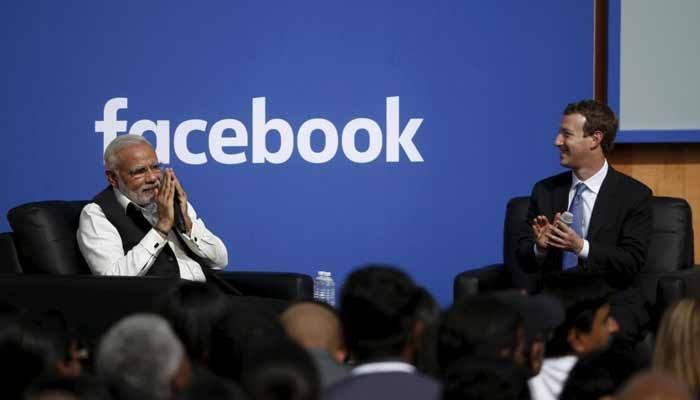
Safe harbour is the legal shield that lets platforms like Facebook, Instagram and WhatsApp avoid liability for what their users post. It comes from Section 79 of India’s Information Technology Act, 2000, and it’s conditional — not automatic.
Under the accompanying 2021 Intermediary Guidelines, platforms must remove unlawful content when notified, appoint grievance officers, and cooperate with law enforcement. Fail that “due diligence” test, and a platform can be treated as a publisher instead of a neutral intermediary — exposing executives to direct legal risk.
| Status | Legal Exposure | Precedent |
|---|---|---|
| With safe harbour | Immunity for third-party content | Standard protection for most platforms |
| Without safe harbour | Direct liability, possible FIRs against executives | Twitter lost immunity in 2021 over IT Rules non-compliance |
Dubey has already invoked this on social media, writing that cases tied to AI-generated content targeting Modi and CSAM-linked complaints “will not receive Safe Harbour protection from the Government of India under IT Act 79, 79(1), and IT Rule 7.”
Meta’s Response Amid a Wider CSAM Controversy
The Modi video incident didn’t erupt in isolation. It landed alongside separate allegations that Meta’s ad-review systems allowed child sexual abuse material to circulate through paid Instagram promotions — a claim the government treated with particular seriousness.
Meta’s global policy chief reportedly apologised to Indian officials during an August 4 meeting, addressing both the video restriction and the CSAM concerns, along with AI deepfakes and what officials called operational lapses across the platform’s systems.
READ MORE: Strait of Hormuz Deal Nears in a Fragile Breakthrough
MeitY officials called the technical-glitch explanation “not reasonable” for a company of Meta’s scale and resources. That rejection matters — it signals the government sees this as a compliance failure, not an isolated software bug, and that framing strengthens the case for withdrawing legal protections.
The Protests Behind Modi’s Video
Modi’s video didn’t come out of nowhere. It was a direct response to youth-led demonstrations that began in New Delhi over exam irregularities before widening into a broader movement about jobs and opportunity.
The protests, organized under the banner of the online Cockroach Janta Party, grew into something bigger than exam reform — critics used the moment to voice frustration with what they call Modi’s increasingly centralized style of governance.
- Protests originated over alleged exam paper leaks
- Movement broadened to cover youth unemployment
- Modi’s video was his first attempt at direct vertical-video outreach
- Timing made the takedown politically combustible
That context explains why a brief, seemingly routine content error turned into a full-blown political flashpoint rather than a quiet customer-service exchange.
Industry and Legal Reaction
Legal analysts note that Section 79 protections are typically assessed case by case, not platform-wide. Courts look at whether a company met its specific obligations in a single incident before deciding whether immunity applies to that matter.
That nuance matters. Even if the committee succeeds in stripping protection tied to the Modi video and CSAM cases specifically, it wouldn’t automatically erase Meta’s broader legal immunity across every other piece of user content on Facebook or Instagram in India.
Still, the scale of India’s user base raises the stakes considerably. Facebook counts more than 370 million active Indian users, and Instagram’s Indian base tops 480 million — making India Meta’s single largest national market by headcount, and giving New Delhi unusual leverage in this standoff.
What Comes Next for Meta in India
Parliamentary committees can summon executives and issue recommendations, but they cannot impose penalties, revoke legal protections, or order prosecutions on their own. Any real action would need to come from the government or the courts.
That procedural limit doesn’t make the threat toothless. MeitY has already signaled dissatisfaction with Meta’s explanations, and the August 5–6 meeting between Meta’s global team and Indian officials will likely determine whether this dispute cools down or accelerates into formal proceedings.
For a company already navigating child-safety allegations, deepfake concerns, and algorithmic-bias accusations in its biggest market, an unresolved apology deadline is the least of its problems but it may be the one moment that decides how the rest unfold.