A Strait of Hormuz deal is closer than at any point since the war began, with Iran and Oman working on a plan that could reopen the world’s most important oil chokepoint. Regional officials said Tuesday the two sides had made real progress, raising hopes that the fighting could finally wind down.
The breakthrough is real but fragile. Here is what the emerging agreement would do, what still stands in its way, and why oil markets are watching every word.
What the Strait of Hormuz Deal Would Do
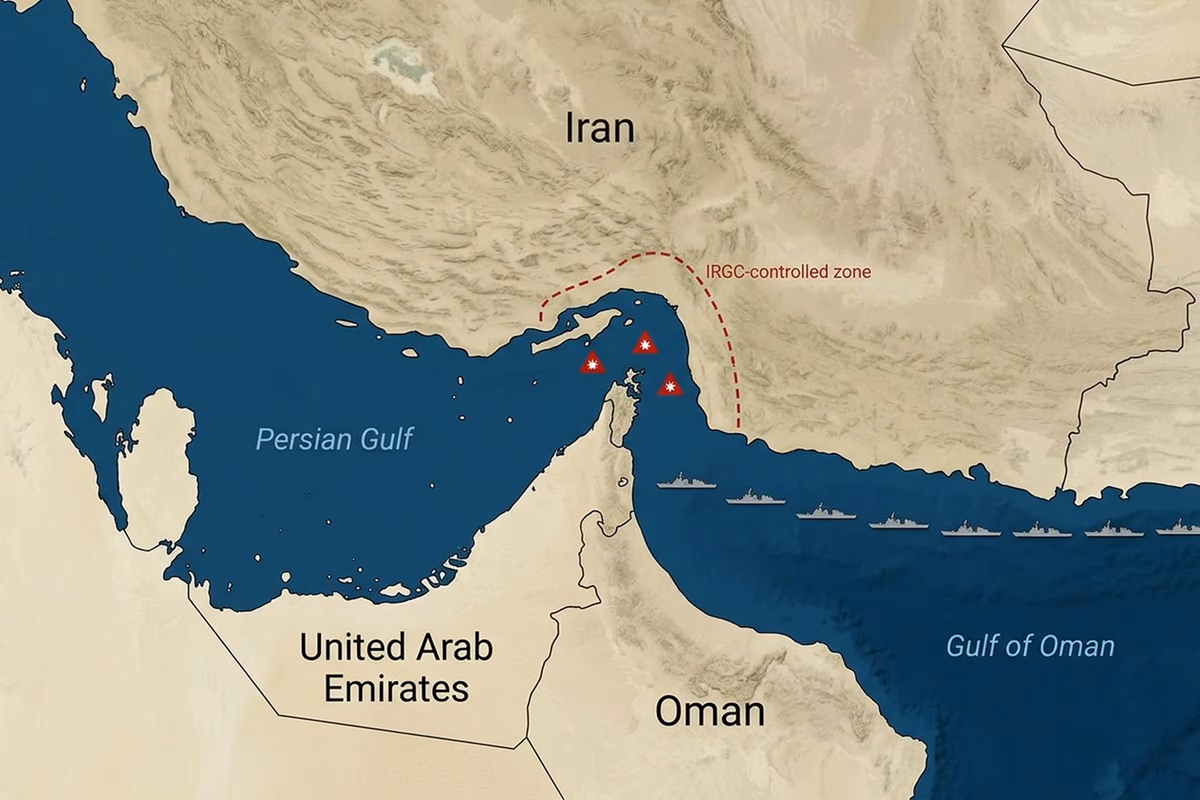
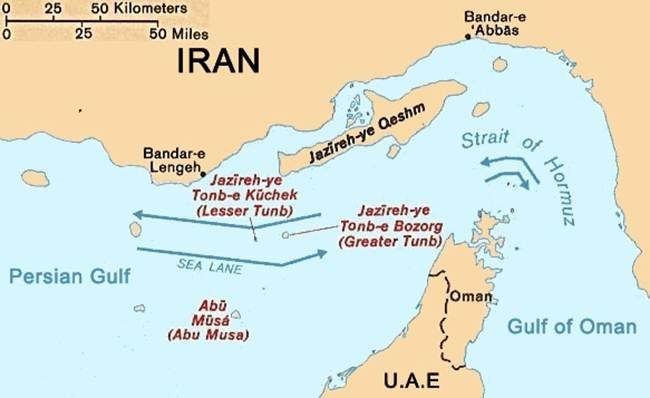
Under the emerging agreement, ships would enter the Persian Gulf through a route controlled by Iran and exit through a route controlled by Oman. Service fees would be charged for providing security and protecting the maritime environment, two regional officials told reporters.
The design is a careful compromise. It gives Iran a formal role in the waterway it has long claimed, while handing Oman, a trusted neutral mediator, control of the outbound lane.
Iran’s foreign ministry framed the talks as an effort to establish safe inbound and outbound shipping lanes that respect the sovereign rights and security of both countries. A spokesman said the final results would be announced only once the negotiations conclude.
The choice of Oman as partner is deliberate. The sultanate has spent years as the quiet back channel between Tehran and Washington, trusted enough by both to carry messages neither would send directly. Putting Oman in charge of the outbound lane gives every side a face-saving way to accept a route it might otherwise reject.
Officials on both sides have been careful not to oversell the progress. The arrangement remains a framework rather than a signed treaty, and the people describing it spoke on condition of anonymity because the talks were unfolding behind closed doors.
The Sticking Points That Remain
Negotiations are still underway, and officials cautioned that the final agreement could take a different form. Any deal appears linked to the United States lifting its blockade on Iran’s ports, a condition Washington has not accepted.
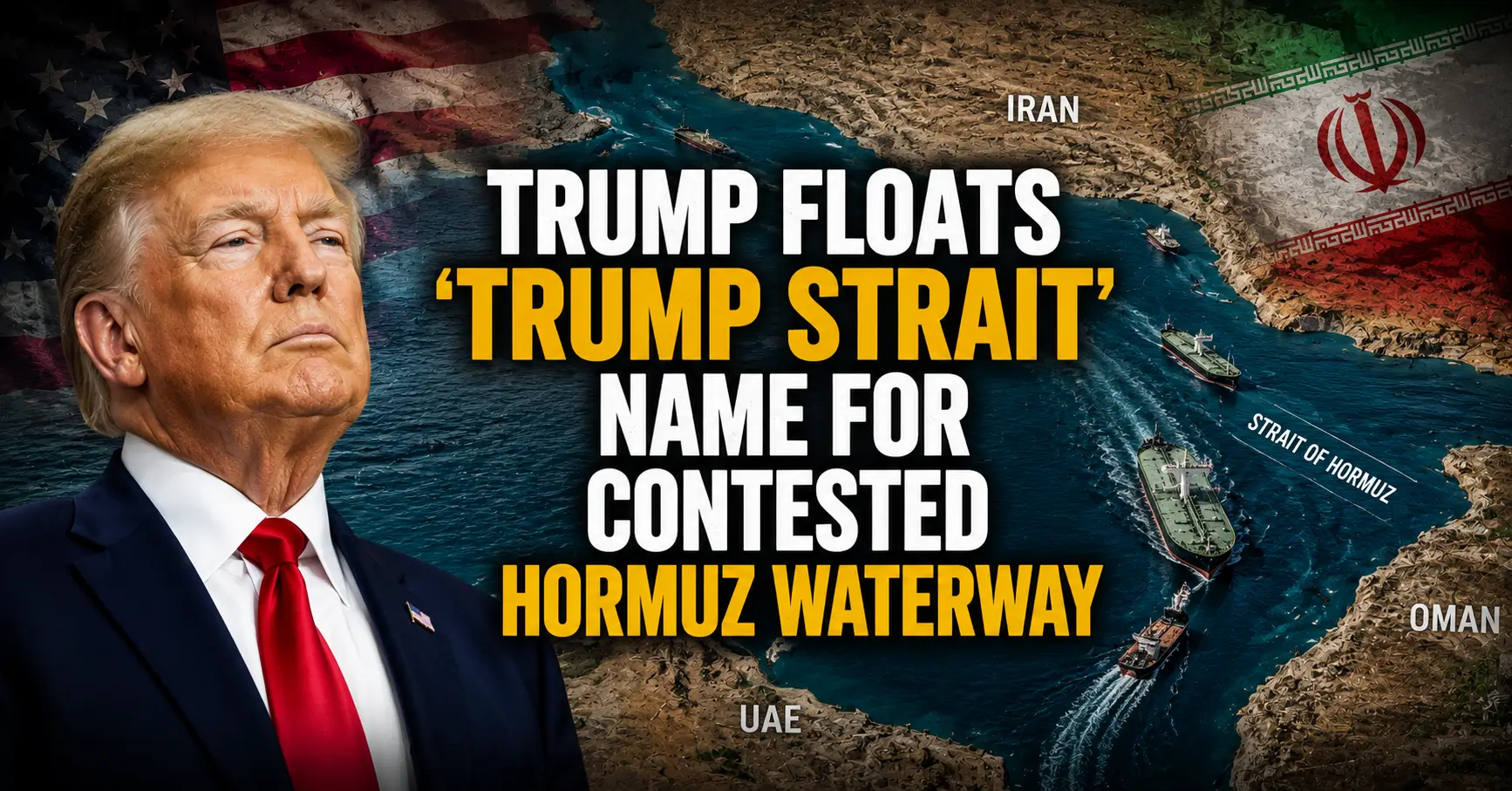
The Trump administration has previously ruled out any arrangement that would give Iran control over the strait. Speaking to reporters, President Trump repeated his opposition to tolls, saying he would not let Iran charge for passage and that if anyone charged, the United States would charge too.
That single word, control, is where the whole negotiation lives. Any agreement that formally recognizes Iran’s authority over part of the strait would hand Tehran a strategic victory it has sought for decades, and doing so through a fee makes the concession concrete rather than symbolic.
Secretary of State Marco Rubio struck a measured note, saying there had been progress in the talks but not finality yet. Treasury Secretary Scott Bessent went further, telling CNBC there was a chance of a deal within a day or two to open the strait and move toward a more normalized position.
The gap between those two statements captures the administration’s balancing act. It wants the waterway open and oil flowing, yet it does not want to be seen granting Iran a permanent tollbooth on the global economy.
Why the Strait Matters to the World Economy
Before the war, close to a fifth of the world’s oil and gas moved through this single waterway. When Iran choked it off, global oil prices spiked and fears of higher inflation spread well beyond the Gulf.
Signs of a thaw have already moved markets. Oil prices slipped below $80 a barrel on Tuesday as traders priced in the possibility that the corridor could soon reopen, and Wall Street set fresh records.
The stakes were underscored the same day. A cargo ship reported being hit by an unknown projectile in the strait off the coast of Oman, a reminder that the shooting has not fully stopped even as the talking accelerates. The United States has framed its own military role in the strait through US Central Command, which has said it acted to keep commercial vessels moving.
In recent weeks, Iran had repeatedly attacked ships using a route running close to Oman that is overseen by the US military and meant to bypass Tehran’s control. Those attacks are exactly the behavior the emerging deal is designed to end, by giving Iran a recognized lane so it no longer has a pretext to fire on vessels using the alternative.
A Deal Riding on a Wider War
The Hormuz talks do not sit in isolation. They are one piece of a broader effort to wind down a conflict that has drawn in the United States, Iran, Israel and the Gulf states over many months. Progress on the strait could build the trust needed to reach the harder questions still on the table.
Elsewhere in the region, the picture remained grim even as the diplomacy advanced. A mass funeral was held in Gaza City for more than 100 people killed in a strike early in the conflict, a reminder of the human cost that any final settlement will have to reckon with.
For now, negotiators are focused on the narrow, tractable problem of who steers ships through a 21-mile-wide channel. If they can solve that, officials hope the momentum carries into the larger and far more dangerous disputes that started the war.
The diplomacy picks up a thread NEWSCOUR has followed since the first truce. For the background, see our earlier explainer on what is left of the Iran ceasefire.
A signature on paper is not the same as calm water. Whether this Strait of Hormuz deal holds will be decided not in the negotiating room in Muscat but in the shipping lane itself, one safe passage at a time.
We will track every turn of the Hormuz talks as the terms firm up or fall apart. For the next development the moment it lands, keep reading NEWSCOUR.