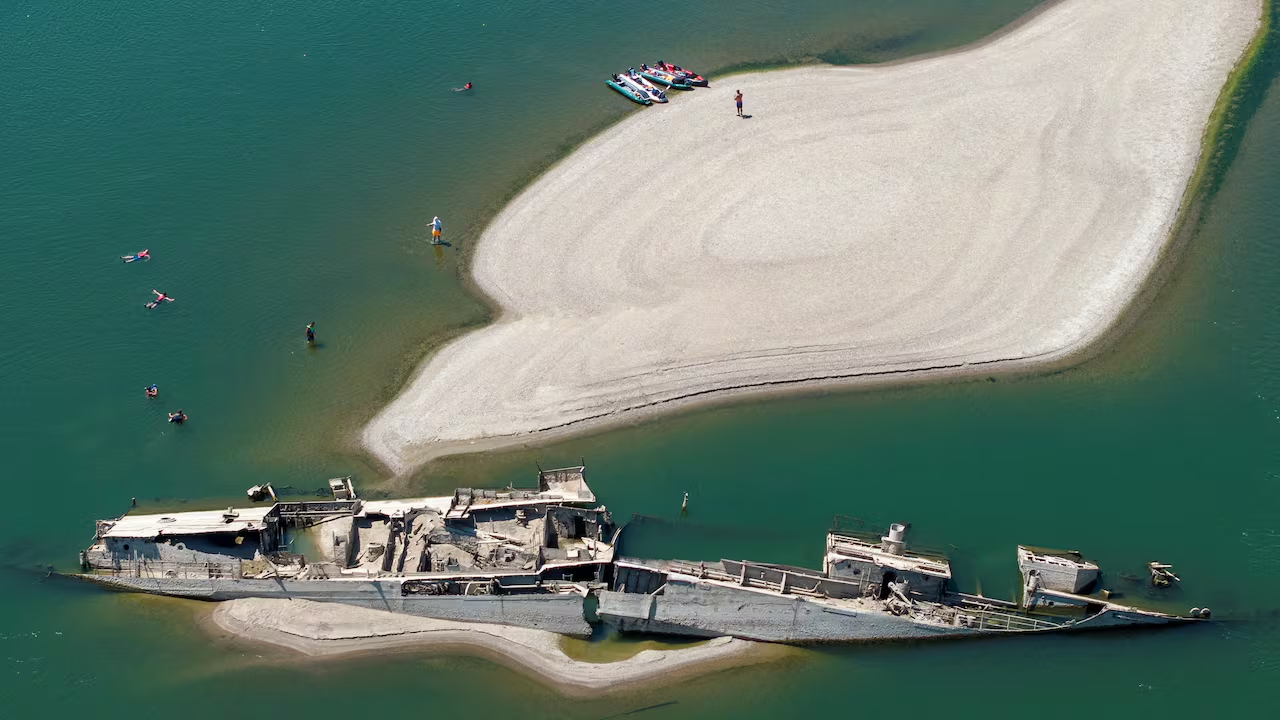
Europe’s punishing summer is dredging up the past. As a record Europe heat wave bakes the continent, the Danube has fallen to some of its lowest levels in a century, and the retreating water has exposed the rusting hulks of dozens of World War II German warships near the Serbian port of Prahovo.
They are a haunting distraction from a far larger crisis. The same Europe heat wave that drained the river is pushing power plants toward shutdown and feeding deadly wildfires across the region.
Here is what has surfaced, why it is happening, and what it says about the summer Europe is living through.
What the Danube Gave Up
Near Prahovo, in the gorge where the river separates Serbia and Romania, a rusty hull now breaks the surface alongside a broken mast where a Nazi flag once flew. It is one of dozens of hulks reappearing as the water drops.
Historians say up to 200 German warships were scuttled here in September 1944, deliberately sunk by Nazi Germany’s Black Sea fleet as it retreated under Soviet fire, a bid to slow the Red Army’s advance through the Balkans. Germany surrendered months later, in May 1945, but the ships stayed on the riverbed.
Most were never removed, because many still hold tonnes of ammunition and explosives. When the water falls during a Europe heat wave like this one, they become both a historical spectacle and a genuine hazard, narrowing navigable channels and threatening the boats that still use the river.
A River Turned Into a Time Capsule
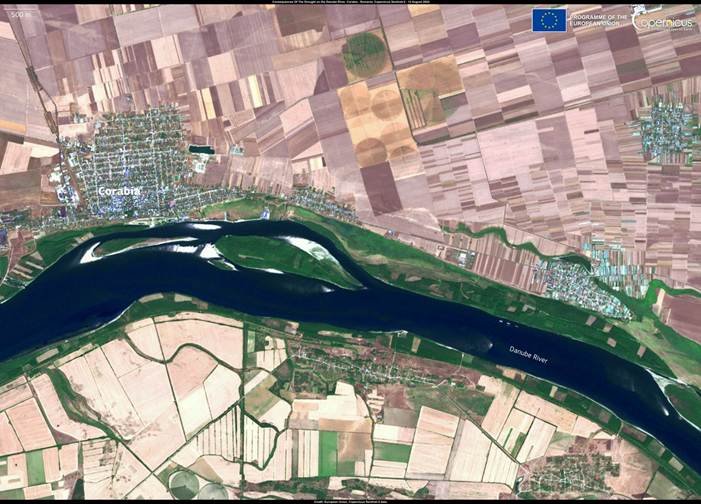
The warships are only part of what the drought has unearthed. Along the same shrinking river, the 2026 dry spell has turned the Danube into an accidental archive of the past.
What the Drought Has Surfaced
As the water has dropped, finds from wildly different eras have emerged from the same riverbed:
- A woolly mammoth jawbone, spotted by a resident of a Bulgarian village, a relic reaching back to the Pleistocene.
- Dozens of scuttled World War II German warships near Prahovo, many still loaded with ammunition and explosives.
- Older wartime munitions and industrial debris, freed from the mud as the channel narrows.
It is a pattern Europe has seen before, in the dry summers of 2019, 2022 and 2023, and now again in 2026. Each time the river recedes it briefly gives up its secrets, then hides them once more when the rains return.
Why the Europe Heat Wave Is About More Than Old Ships
The exposed wrecks make for striking photographs, but the Europe heat wave behind them is straining the systems that keep the lights on. The Danube’s record lows have pushed power plants across Central and Eastern Europe toward the edge.
A Grid Under Pressure
Because nuclear plants rely on river water to cool their reactors, a falling Danube is not an abstract worry. The past week alone produced a run of near-emergencies:
- In Hungary, the prime minister said the country came within millimeters of a forced shutdown of the Paks nuclear plant overnight, before the water level steadied by morning.
- In Romania, navy engineers detonated 180 kilograms of submerged rock to force water toward a reactor.
- Across the region, governments have urged residents to conserve electricity as the heat drags on.
The Climate Signal
Scientists have linked the unusually hot, dry weather to global warming, and the official picture is tracked by the European Union’s own monitors. The current drought maps are published by the Copernicus European Drought Observatory, which has recorded warning and alert conditions across much of the continent.
A Summer of Fire and Drought
The heat has a third face, and it is the deadliest. Weeks of hot, dry weather have created ideal conditions for wildfires, which have been especially destructive in Greece.
The Fires Outside Athens
Near Porto Germeno, northwest of Athens, crews have fought a blaze that has burned since late last week, seizing on breaks in the wind to try to bring it under control. The same Europe heat wave that dried the Danube has left forests across the south primed to ignite, and firefighters have raced from one front to the next with little respite.
Taken together, the picture is of a single, connected crisis. The wrecks in the Danube, the reactors near shutdown, and the fires outside Athens are all symptoms of the same Europe heat wave. Scientists warn that summers like this one, once considered rare, are becoming the new normal for the continent.
The wildfire side of this story is one we have followed closely. For the human toll at the front lines, see our report on the Greece wildfire helicopter crash near Porto Germeno.
For now, the ghost fleet of Prahovo sits in the sun, a rusting reminder that this summer’s heat can reach eighty years into the past. When the water rises again, the warships will vanish, but the crisis that revealed them will not.
Europe’s rivers, reactors and forests are all telling the same story this summer, and the next chapter depends on when the heat finally breaks. For continuing coverage of the crisis, stay with NEWSCOUR.