A landmark Meta child safety ruling has landed one of the heaviest legal blows yet against a social media giant. A New Mexico judge ordered Meta to pay $567 million into a fund to address harms to young users, on top of penalties already imposed.
The Meta child safety ruling brands Facebook and Instagram a public nuisance and pushes past the usual fines into structural change. Meta has said it will appeal.
Here is what the court ordered, why the ruling is unusual, and what it could mean for the wider platform industry.
What the Meta Child Safety Ruling Requires
Judge Bryan Biedscheid, of a Santa Fe court, found that Meta‘s platforms were a significant contributing cause of a youth mental health crisis in the state. The $567 million abatement fund comes on top of $375 million in civil penalties a jury imposed in March, bringing the total to $942 million.
Where the Money and Remedies Go
The order directs the abatement fund toward specific programs and requires product changes:
- The largest share, about $420 million, is earmarked for youth treatment services.
- Further sums go toward prevention, awareness, screening and care coordination.
- Meta must strengthen age-assurance tools and try to build a model to predict users under 13.
- The company must add safety features and a reporting portal for schools to flag suspected underage accounts.
Notably, the judge did not force Meta to change its core algorithms, writing that doing so could conflict with Section 230 and First Amendment protections. The company was also not required to abandon end-to-end encryption.
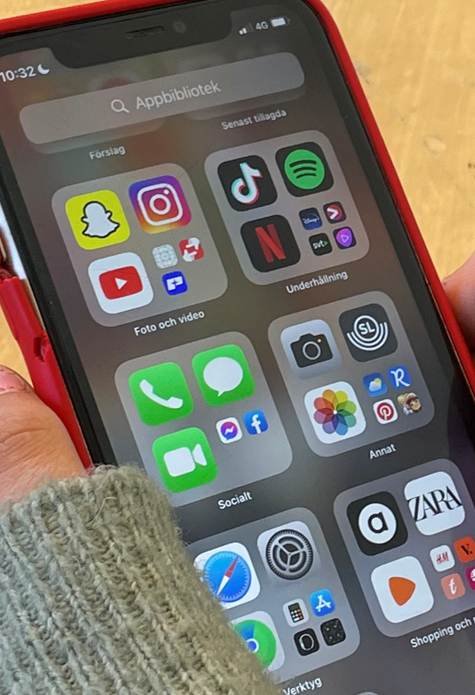
Why the Meta Child Safety Ruling Is Different
Courts have long struggled to hold platforms accountable, because US internet law gives them broad protection from liability for what users post. This case took a different route.
Rather than focusing on user content, New Mexico’s case targeted Meta’s own product design and business practices. The judge likened the platforms to factories, the content to their products, and the harm to children to pollution the factories emit.
That framing, treating platform harm as a public nuisance, is what makes the ruling stand out. It sidesteps the liability shield that has protected social networks for decades and focuses on how the products are built to keep young people engaged.
What It Means for the Platform Industry
The Meta child safety ruling is one of many cases the company and its rivals face over child safety, and a win of this kind could embolden other states. The attorney general who brought it called the outcome historic.
Still, the fight is far from over. Meta says it disagrees and will appeal, a process that could stretch over months or years, and the company maintains it has a strong record of protecting teens.
For the wider industry, the signal is clear. Regulators and courts are increasingly willing to scrutinize the design choices behind engagement, not just the content that flows through the apps.
This sits alongside a broader wave of tech regulation and antitrust action worldwide. For a related case, see our coverage of the Google Android fine becoming permanent.
Whether the award survives appeal or not, the public-nuisance strategy has now been tested and won at trial. For an industry built on engagement, that alone may prove to be the ruling’s most lasting consequence.
The legal playbook for holding platforms accountable is being rewritten in real time, and this ruling is a significant new chapter. For continuing tech and policy coverage, stay with NEWSCOUR.