
Europe’s biggest bet in the AI chip race just got €5 billion bigger, and it is happening in a County Kildare town of about 15,000 people.
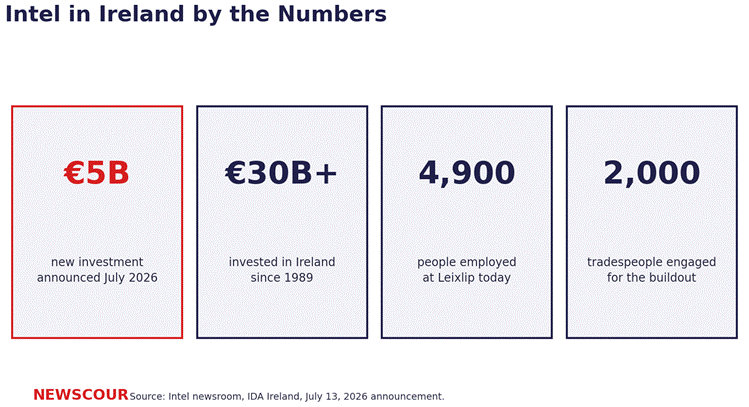
The Intel Ireland investment, announced Monday, July 13, commits €5 billion, about $5.7 billion, to expanding the company’s Leixlip campus outside Dublin. The money will boost production of the server processors that power AI data centers, add hundreds of permanent high-tech jobs, and put roughly 2,000 tradespeople to work on the buildout. It is one of the largest single tech investments announced in Europe this year.
Here is what the money buys, why Intel picked Ireland over its shelved plans elsewhere in Europe, and what it means for the continent’s chip ambitions.
What the Intel Ireland Investment Buys
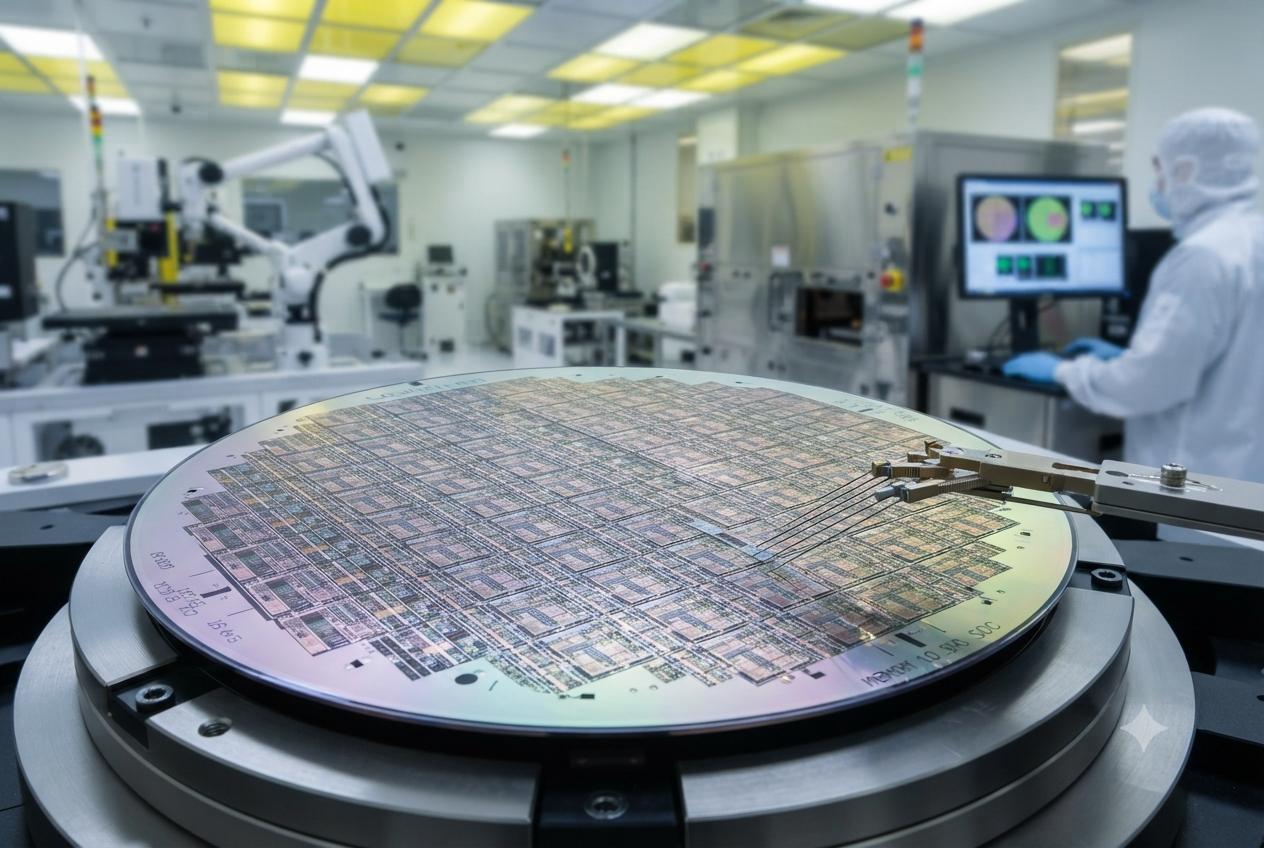
This is not a new factory. Intel is upgrading the fabrication plants it already runs at Leixlip, installing leading-edge manufacturing equipment inside existing cleanroom space and extending the automated track system that moves silicon wafers around the campus, tying separate production modules into a single high-speed line.
The goal is capacity on Intel 3, the advanced manufacturing process behind Intel’s Xeon 6 server chips and the next generation to follow. Those processors sit in the data centers running cloud services and AI workloads, and demand for them has surged as companies race to build what Intel calls AI factories. In its announcement, the company said the program also advances research and development at the site. Work began earlier this year and is expected to finish by the end of 2027.
Why Ireland and Why Now
Intel has operated in Ireland since 1989 and has poured more than €30 billion into the country since, making Leixlip its largest manufacturing hub in Europe and one of its most advanced sites anywhere. The campus currently employs 4,900 people.
The timing tells its own story. In 2024, a cash-strapped Intel sold a 49 percent stake in its flagship Leixlip fab to the private equity firm Apollo. In April of this year it bought that stake back, restoring full ownership, and three months later it is spending €5 billion on the same site. Meanwhile, CEO Lip-Bu Tan has shelved his predecessor’s plans for massive new plants in Germany and Poland. Rather than building new factories across the continent, Intel is concentrating its European future on the one campus it already trusts.
Irish leader Micheál Martin called the move “a powerful vote of confidence in Ireland,” and the state investment agency IDA Ireland said it reflects the country’s skilled workforce and stable business environment.
What It Means for Europe’s Chip Race
The Intel Ireland investment lands squarely in the middle of the EU’s push for semiconductor sovereignty. The bloc’s Chips Act aims to reduce dependence on Asian supply chains, a vulnerability that global trade tensions and tariff disputes have made harder to ignore. A fully owned, expanding, leading-edge fab inside the EU is exactly what that policy was written to encourage.
For Ireland, the announcement reinforces a position decades in the making, as the country hosts the most advanced chip manufacturing in the EU while rival locations wait on paused or canceled projects. For Intel, a company fighting to prove its turnaround is real, the spending signals where it believes its comeback runs through: server chips, AI demand, and a 37-year-old campus in Kildare.
What Happens Next
The equipment installation and facility upgrades continue through next year, with the expanded output of Xeon processors ramping as capacity comes online. Hiring for the permanent roles is underway alongside the trades buildout. The Intel Ireland investment will be measured, in the end, by a simple test: whether the chips coming out of Leixlip can win back data center customers in a market now crowded with rivals.
Keep up with NEWSCOUR for more on the global chip race!