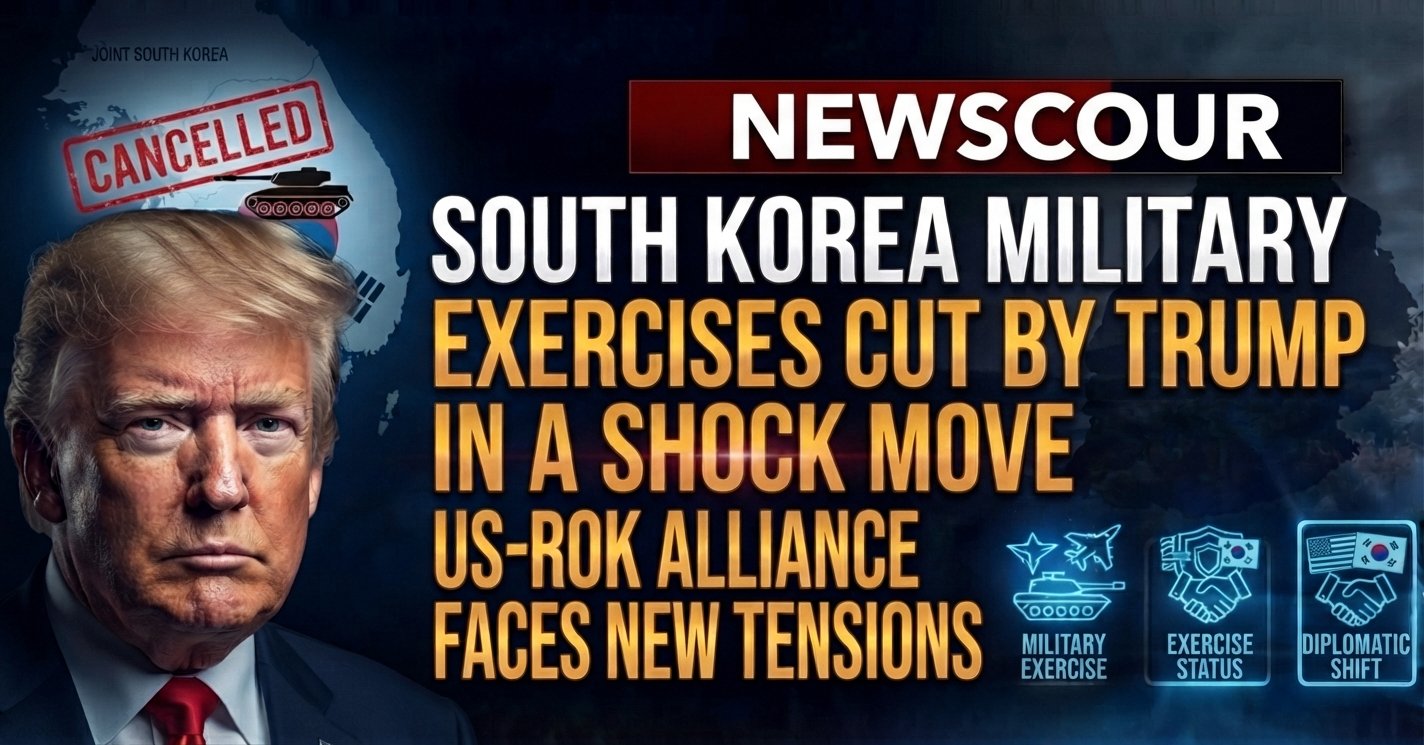
President Donald Trump has ordered the US military to substantially reduce its joint South Korea military exercises, an abrupt move that has unsettled a decades-old alliance. The surprise announcement, made in a social media post, left many South Koreans baffled and concerned.
The cut to South Korea military exercises drew a careful response from Seoul, which stressed the strength of the alliance while calling for a more self-reliant defense. Here is what Trump ordered, why he did it, and how South Korea is responding.
What Trump Ordered on South Korea Military Exercises
Trump said he had instructed the Pentagon to scale back the annual drills, which he called costly and a signal that is, in his words, totally inappropriate and hostile toward North Korea. The order came just before this year’s Ulchi Freedom Shield exercises began.
The Key Points
According to statements from Trump and South Korean officials:
- Trump directed the Secretary of War to substantially reduce the joint exercises.
- He cited his good relationship with North Korean leader Kim Jong Un.
- He also pointed to South Korea’s refusal to help with the recent US operation against Iran.
- It was unclear which parts of the eleven-day exercises would be downsized.
The drills are largely designed to sharpen readiness against North Korean threats, and the US and South Korean militaries have described them as defensive. The commander of US Forces Korea visited Seoul’s Defense Ministry to discuss the changes.
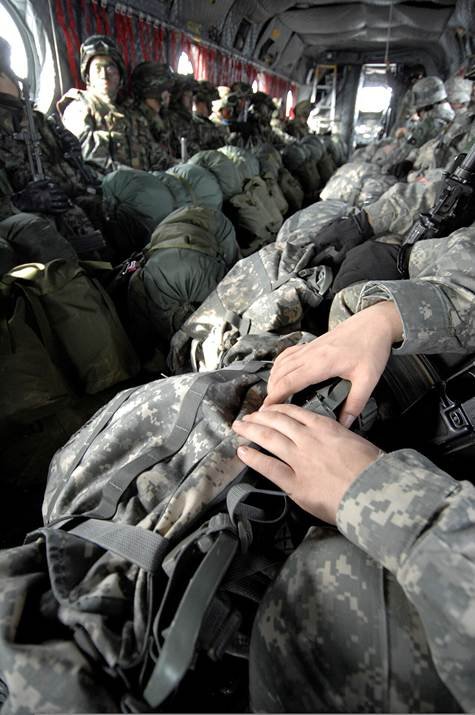
Why Trump Scaled Back the Drills
Trump framed the cut to South Korea military exercises as a way to ease tensions with North Korea, a nuclear-armed state he said had been unthreatening and respectful during his time in office. He has repeatedly expressed interest in reviving talks with Kim Jong Un.
He also tied the move to a grievance. Trump said he had asked Seoul for help with the US operation against Iran and been turned down, questioning why the US kept tens of thousands of troops in South Korea if the ally would not assist.
The reasoning drew criticism at home, with some Democrats and foreign-policy experts warning it could rattle allies. During his first term, Trump also scaled back joint drills as part of diplomacy with the North.
How South Korea Responded
President Lee Jae Myung struck a careful balance. In a Cabinet meeting, he stressed that national security is strengthened when the alliance is solid, while also arguing that South Korea should build up its own defensive strength.
Lee’s office said the two countries had maintained close coordination and would continue to do so. Like Trump, Lee has expressed support for reviving talks with North Korea, which remains technically at war with the South after the 1953 armistice.
The timing is notable, with Lee due to visit Washington later in August for talks on trade and defense. Background on the US posture is available through the US Department of Defense, which oversees the exercises.
The change to South Korea military exercises fits a broader pattern of the administration reshaping long-standing alliances. For related coverage of shifting US diplomacy, see our report on the Gaza ceasefire talks as Kushner met Hamas.
For now, an alliance forged over seven decades is being recalibrated in real time. How Seoul and Washington manage that shift, with North Korea watching closely, may shape security in the region for years.
A single social media post has reopened big questions about the future of the US presence in Asia, and the answers will unfold over the months ahead. For verified updates as the alliance evolves, stay with NEWSCOUR.