
Syria accuses Israel of striking a military airfield in Idlib province, reviving fears of a fresh escalation just as Damascus tries to rebuild its shattered air defenses. The predawn attack on Tuesday hit a facility that had sat dormant for over a decade — until Turkey started taking interest in it.
What Happened at Abu Duhur Military Airfield
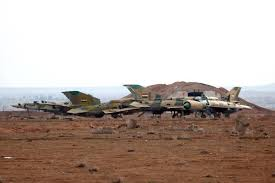
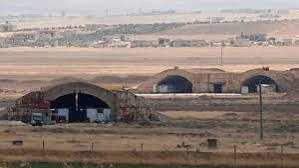
Unidentified aircraft struck the Abu Duhur military airport in Idlib province early Tuesday, according to Syrian state television. A military source told state media that eight separate strikes hit the runway, causing damage to the airport’s infrastructure. No casualties were reported.
The base had been out of service since 2012, guarded only by a small contingent of Syrian defense ministry personnel. That made the timing of the strike, and the choice of target, immediately suspicious to analysts tracking the region.
- Eight strikes hit the runway of Abu Duhur airbase
- Location: Idlib province, northwestern Syria
- No casualties reported; material damage to infrastructure only
- Facility had been inactive since 2012
Syria’s Accusation Against Israel
Damascus wasted no time assigning blame. Syrian state television quoted a military source saying “Israeli occupation aircraft early this morning targeted the runway of the Abu Duhur military airport.” That framing, consistent with how Syria has described dozens of prior incidents, put the accusation on record within hours of the strike.
READ MORE: Strait of Hormuz Attack Hits Tankers as Oil Fears Rise
Israel, notably, offered no confirmation. As of Tuesday afternoon, there had been no official comment from the Israeli military acknowledging or denying involvement — a pattern that has become routine whenever Damascus points a finger across the border.
Why Turkey’s Involvement Matters
The Syrian Observatory for Human Rights, a UK-based war monitor with a long track record on the conflict, offered a detail competitors have largely glossed over: the strikes came days after a Turkish military delegation visited Abu Duhur as part of an effort to reactivate the airfield. Turkey has also reportedly been rehabilitating the base, which once hosted foreign fighters before they were told to leave.
That single fact reframes the entire episode. Turkey is the primary international backer of Syria’s post-Assad government, and any move to restore a functioning airbase in Idlib touches directly on the fragile balance between Ankara and Tel Aviv. Tensions between the two regional powers over Syria’s future have been climbing steadily since Assad’s fall.
Israel’s Post-Assad Campaign in Syria — The Bigger Pattern
This strike doesn’t sit in isolation. Since Bashar al-Assad was ousted by Islamist-led rebel forces in December 2024, Israel has carried out hundreds of airstrikes across Syrian territory. The stated goal has been to destroy military assets of the former Syrian army before they can fall into the hands of the country’s new rulers.
Israel has gone further than airstrikes, too. Its forces have pushed beyond the occupied Golan Heights into the UN-monitored demilitarized buffer zone, extending a military footprint that predates the current government by decades.
| Incident | Date | Target | Reported Outcome |
|---|---|---|---|
| Damascus suburb drone strikes | 2025 | Military position | 8 soldiers killed |
| Southern Syria camp strikes | March 2026 | Military camps | Response to alleged Druze attack in Sweida |
| Abu Duhur airbase | August 2026 | Runway, Idlib | Material damage, no casualties |
There’s also a piece of the puzzle Syria’s new authorities would rather not highlight: in early August, Syria conducted its first air exercises since Assad’s ouster, flying Russian-made MiG-21 fighter jets. Israeli security officials reportedly detected signs that Damascus was accelerating efforts to rebuild its air force — new pilot recruitment, flight training, and now this exercise. Those signs were shared with Washington, according to Israeli broadcaster Kan.
Washington’s Reaction: “Unnecessary Escalation”
The strike didn’t just draw condemnation from Damascus — it drew criticism from Washington too. A US envoy involved in Syria policy publicly pushed back on the attack, describing it as an unnecessary escalation and calling on “all parties to prioritize logical discourse over further military incidents.”
That kind of public rebuke from a US official is notable. Washington has generally given Israel wide latitude to strike targets it deems threats inside Syria since Assad’s collapse, so friction of this sort suggests growing unease in Washington about where the pattern is headed.
Israel’s Silence and What It Signals
If confirmed as an Israeli operation, Tuesday’s strike would mark the first attack by the Israeli Air Force on Syrian territory since March, when the IDF said it hit military camps in the country’s south. That gap matters. It suggests Israel had, for months, calibrated its actions more cautiously — until Syria’s own air-power ambitions and Turkey’s base-rehabilitation push apparently changed the calculus.
Israel’s continued silence leaves room for speculation, but it also fits a broader posture: acknowledge strikes only selectively, and let ambiguity do some of the deterrent work.
What Comes Next
Syria’s new government has repeatedly said it does not want conflict with Israel. Israel, in turn, remains openly suspicious of a administration built from former Islamist insurgent factions. Neither side has an incentive to formally escalate — but neither has shown restraint when it comes to unilateral action either.
The Abu Duhur strike leaves a few open threads worth watching:
- Whether Turkey continues its airfield rehabilitation efforts despite the attack
- Whether Israel eventually confirms or denies involvement
- Whether Syria’s air-exercise program continues, and how Israel responds if it does
- Whether Washington’s criticism translates into any real pressure on Israeli operations
For now, Idlib has another damaged airstrip, Damascus has another grievance on record, and the region has one more data point in a pattern that shows no sign of slowing down.