This article covers all of it, with facts drawn from FDA approvals, clinical trial data, and peer-reviewed research.
Weight loss pills are no longer a fringe topic. In 2025, a RAND survey found that 11.8 percent of US adults reported having used GLP-1 medications, a class that includes some of the most talked-about drugs on the market.
What They Are, How They Work, and What You Need to Know
Pharmacies are busy. Waiting lists are real. And the conversation has moved from celebrity gossip to mainstream medicine faster than almost anyone anticipated. The health queries on the issue are many.
But most people still have basic questions that are not getting answered clearly. What are these pills actually doing inside your body? Are they safe? Who are they actually for? And what happens if you stop taking them?
This article is for informational purposes only and does not constitute medical advice. Always consult a qualified healthcare provider before starting or stopping any medication.
What Are Weight Loss Pills and Who Are They For?
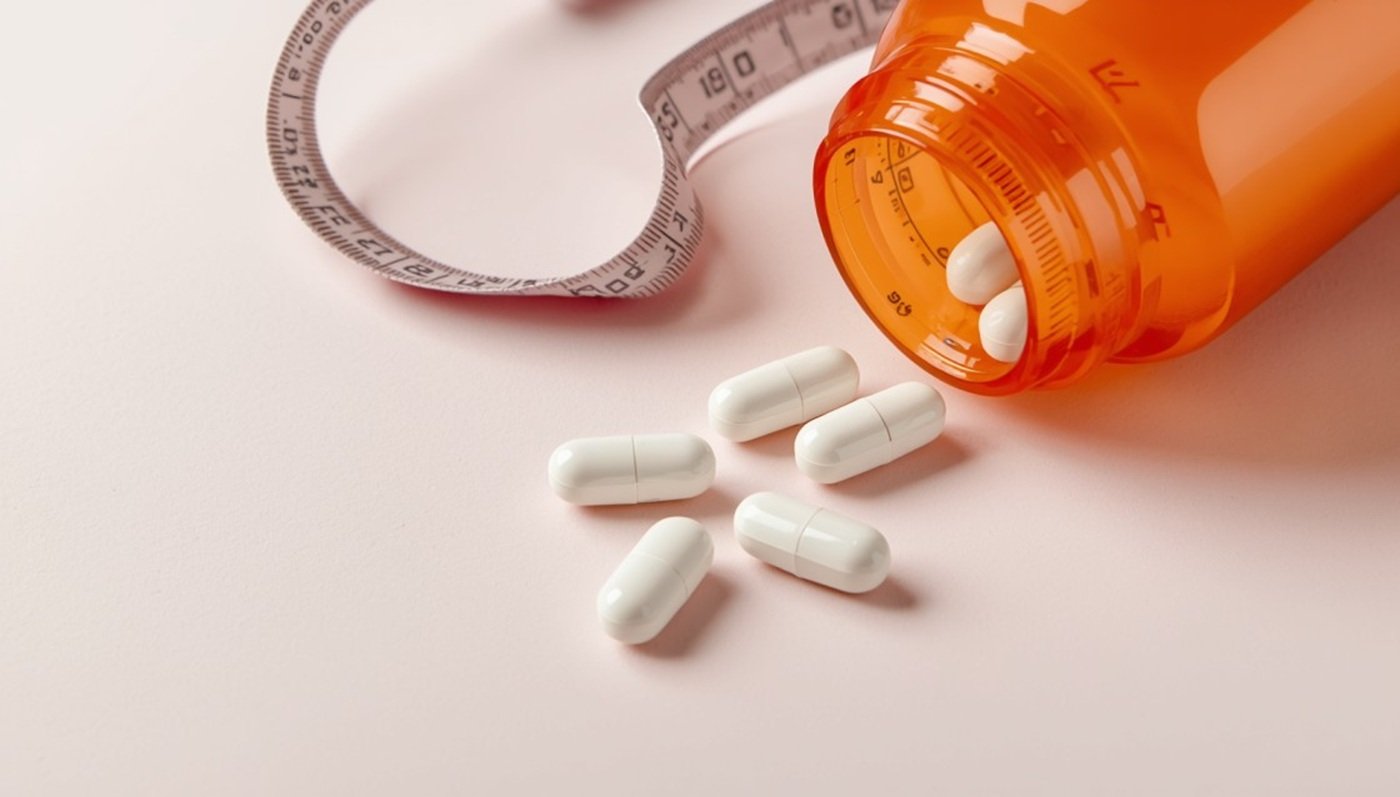
Weight loss pills are prescription medications designed to help people with obesity or overweight manage their weight when diet and exercise alone have not been enough. They are not cosmetic tools. They are not for someone who wants to drop a few pounds before a vacation.
The FDA and medical guidelines are specific about who qualifies for Weight Loss Pills. Generally, a doctor may consider prescribing weight loss medication for adults with a Body Mass Index (BMI) of 30 or higher, or a BMI of 27 or higher if the patient also has a weight-related health condition such as type 2 diabetes, high blood pressure, or heart disease, according to the Obesity Medicine Association.
The drugs work in one of three main ways: reducing appetite, making you feel fuller for longer, or blocking your body’s ability to absorb dietary fat. Most of the newest and most effective medications work through the first two mechanisms, specifically by targeting hormones that control hunger.
The Main Types of FDA-Approved Weight Loss Pills in 2026
The landscape of weight loss medication changed significantly at the end of 2025 and into early 2026. For years, the most effective GLP-1 options required injections. That changed when two oral GLP-1 pills received FDA approval in quick succession.
GLP-1 Receptor Agonists (The New Generation)
GLP-1 stands for glucagon-like peptide-1. It is a hormone your body naturally produces after eating that signals to your brain that you are full and slows the movement of food through your digestive system. GLP-1 medications mimic this hormone, which is why they are so effective at reducing appetite and food intake.
Wegovy (semaglutide) Pill received FDA approval in December 2025, becoming the first oral GLP-1 receptor agonist approved for weight loss. The OASIS 4 clinical trial showed a mean weight loss of 13.6 percent at 64 weeks. The injectable form of Wegovy showed 16 to 17 percent weight loss in trials for comparison. The oral pill starts at a dose of 1.5mg and is taken once daily on an empty stomach with a small amount of water, at least 30 minutes before eating, according to the Obesity Medicine Association.
Foundayo (orforglipron) received FDA approval on April 1, 2026, becoming the second oral GLP-1 pill on the market. Made by Eli Lilly, it works through a different molecular pathway than semaglutide and notably does not need to be taken on an empty stomach, which gives patients more flexibility. Clinical trials showed participants lost an average of 11 percent of body weight over 72 weeks compared to 5.3 pounds for placebo, according to Time. The starting cash price for Foundayo is $149 per month, making it more accessible than many injectable alternatives.
Zepbound (tirzepatide) is the injectable option that activates both GLP-1 and GIP receptors simultaneously. It was approved for obesity in 2023 and has shown some of the strongest weight loss results of any medication on the market. The cash price for Zepbound’s injectable form is approximately $299 per month.
Older Prescription Options Still in Use
If we talk about Weight Loss Pills. Not everyone is a candidate for GLP-1 medications, and not everyone wants or can afford them. Several older options remain FDA-approved and widely prescribed.
Qsymia (phentermine and topiramate) combines an appetite suppressant with an anticonvulsant drug. Patients lose on average 5 to 10 percent of body weight. A generic version became available in 2025. It is taken as a pill and is a good option for patients who also suffer from migraines, since topiramate is used to treat that condition. It is not appropriate during pregnancy.
Contrave (naltrexone and bupropion) pairs an addiction treatment drug with an antidepressant to work on the brain’s reward and hunger pathways. It can be particularly helpful for patients whose main challenge is food cravings or emotional eating. Bupropion carries a black box warning regarding suicidal ideation, so it requires careful monitoring, according to Mayo Clinic.
Orlistat (Xenical and Alli) works completely differently from the others. Rather than affecting hunger signals in the brain, it blocks the enzyme that breaks down dietary fat, meaning a portion of the fat you eat passes through your body unabsorbed. A lower-dose version called Alli is the only FDA-approved weight loss option available over the counter without a prescription, according to Cleveland Clinic.
What the Science Says About Effectiveness
The GLP-1 drugs genuinely work as Weight Loss Pills. The clinical trial results are not marginal. But there is a significant catch that does not always make the headlines.
A University of Oxford review published in The BMJ, covering 37 studies through February 2025 involving 9,341 participants, found that people who stop taking weight loss medications like Ozempic and Zepbound tend to regain weight at nearly four times the rate of those who lost weight through diet and exercise alone. Most of the health benefits, including improvements in blood sugar and cardiovascular risk markers, reverse within roughly two years of stopping the medication, according to ScienceDaily.
What this means practically is that these medications are likely a long-term commitment for most people, not a short course treatment. Brown University Health confirms that weight regain typically begins within three months of stopping medication.
There are also benefits that go beyond weight. Research from Washington University School of Medicine found that GLP-1 drugs are associated with a reduced risk of Alzheimer’s disease and dementia, potentially because the drugs reduce inflammation in the brain and act on receptors involved in impulse control and reward, according to WashU Medicine.
Side Effects and Risks to Understand
The most common side effects of GLP-1 medications are gastrointestinal and include nausea, diarrhea, vomiting, constipation, and stomach pain. These are most pronounced when starting the medication or increasing the dose and tend to improve over time.
More Serious Risks
A 2023 JAMA study found that GLP-1 receptor agonists were associated with increased risk of pancreatitis, bowel obstruction, and gastroparesis compared to other weight loss medications. These are uncommon but potentially serious conditions that require medical monitoring, according to the Obesity Medicine Association.
Research from WashU Medicine also identified increased risks for kidney complications in some GLP-1 users, which can progress without obvious symptoms. Regular check-ins with a healthcare provider are essential for anyone on these medications.
The FDA has also warned against using weight loss medications obtained from compounding pharmacies, which produce their own versions of semaglutide and tirzepatide without going through standard FDA safety and efficacy review, according to Mayo Clinic.
What Is Coming Next
The weight loss medication pipeline is expanding fast. CagriSema, a combination of cagrilintide and semaglutide developed by Novo Nordisk, applied for FDA approval in December 2025. Phase 3 results showed an average weight loss of 20.4 percent at 68 weeks, with nearly 20 percent of participants achieving 30 percent or more weight loss, according to the Obesity Medicine Association.
Retatrutide, a triple receptor agonist from Eli Lilly targeting GLP-1, GIP, and glucagon simultaneously, is currently in seven Phase 3 trials and has shown weight loss of up to 28.7 percent in early studies.
The Obesity Medicine Association reports that the pharmaceutical platform Ozmosi predicted one to two new GLP-1 launches annually starting in 2026, with 39 new GLP-1 related medications in development as of May 2025.
Understanding how nutrition fits into any weight management approach is essential. Our detailed breakdown of essential nutrition facts covers the science of what your body actually needs and how food interacts with metabolism, which is directly relevant to how these medications work.
For the most current and complete list of all FDA-approved weight loss medications, eligibility criteria, and safety information, the National Institute of Diabetes and Digestive and Kidney Diseases official prescription medications page is the authoritative government reference.
Frequently Asked Questions About Weight Loss Pills
Do weight loss pills actually work?
FDA-approved GLP-1 medications have shown clinically significant weight loss in trials, ranging from 11 to 20 percent of body weight. But they work best when combined with dietary changes and increased physical activity.
What happens when you stop taking weight loss pills?
Most people regain weight, often within three months, and at a faster rate than if they had lost weight through lifestyle changes alone, according to research published in The BMJ.
Are weight loss pills safe?
FDA-approved options have been through rigorous clinical trials. Common side effects include nausea and digestive discomfort. Rarer but serious risks include pancreatitis and kidney complications. Always consult a doctor before starting any medication.
How much do weight loss pills cost?
The oral Wegovy pill and Foundayo both start at $149 per month for cash-paying patients. Injectable options like Zepbound run around $299 per month. Injectable Wegovy can exceed $1,300 per month without insurance or manufacturer discounts, according to AJMC.
Can you get weight loss pills without a prescription?
Only one FDA-approved option, orlistat (Alli), is available over the counter. All other effective weight loss medications require a prescription from a licensed healthcare provider.
Follow NEWSCOUR for latest updates on health issues.