Somewhere beneath the waves off New Zealand, the ocean floor is quietly doing something jewelers have spent millennia trying to replicate.
Researchers analyzing volcanic glass from submarine volcanoes along the Kermadec island arc, north of New Zealand, say they have identified what they are calling a deep sea gold kitchen, a natural process by which water rich in dissolved metals becomes concentrated with gold deep beneath the seafloor before it ever reaches the surface. The team’s analysis suggests these underwater systems may be quietly manufacturing precious metal deposits on a timescale, and by a mechanism scientists are only now beginning to map in detail.
Here is how this deep sea gold kitchen actually works, why volcanic glass was the key to finding it, and what it might mean for how we understand where gold comes from in the first place.
How the Deep Sea Gold Kitchen Actually Works
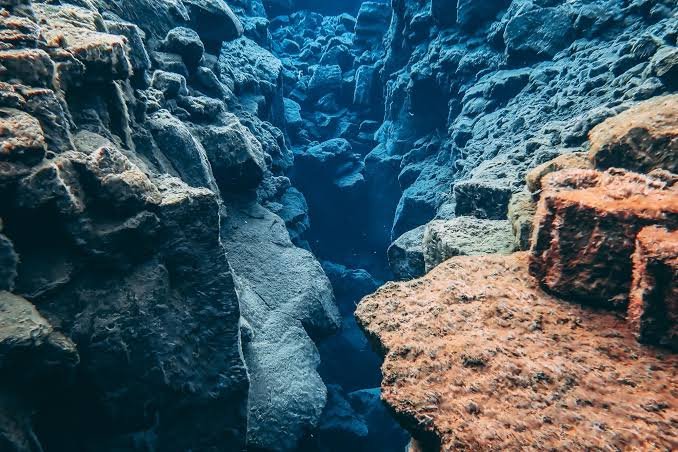
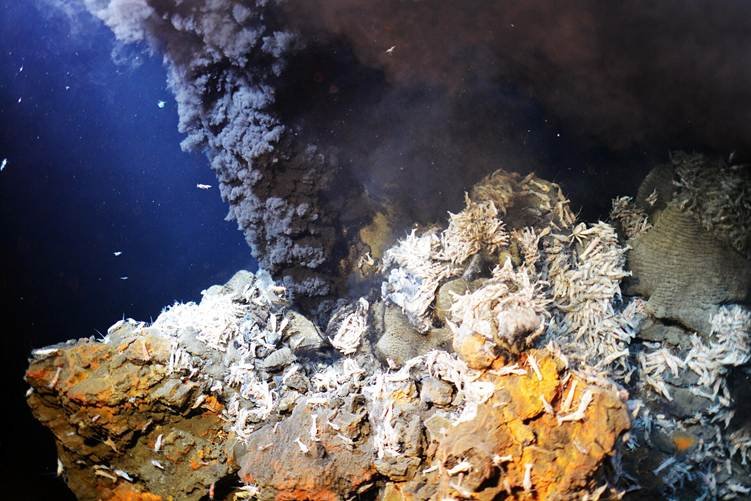
The process starts with seawater seeping down through cracks in the ocean floor near active submarine volcanoes, where it is heated by magma below and becomes what geologists call a hydrothermal fluid. As that superheated water circulates through volcanic rock, it dissolves metals, including gold, out of the surrounding stone. Under the right pressure and temperature conditions deep underground, researchers found that this water-rich fluid becomes unusually effective at holding and concentrating that dissolved gold, effectively cooking it into a more concentrated form before the fluid ever vents out at the seafloor.
The discovery relied on volcanic glass, rapidly cooled lava that traps a chemical snapshot of the conditions present at the moment of an eruption, the same way amber preserves whatever was trapped inside it. By analyzing this glass from the Kermadec arc’s submarine volcanoes, researchers could reconstruct the water content and metal concentration of the magma system at depth, something far harder to measure directly from active hydrothermal vents themselves.
Why the Deep Sea Gold Kitchen Changes How Gold Is Understood
Most gold deposits humans have ever mined on land formed through some version of this same hydrothermal process, just millions of years ago and long since pushed upward by geologic forces onto dry ground. What makes the Kermadec findings significant is that they let researchers watch a version of that process taking shape in something closer to real time, deep beneath an active volcanic arc rather than reconstructed after the fact from an ancient, cooled deposit.
According to volcanic hazard researchers who study systems like these, water-rich, gas-charged magmas of exactly this kind are known to drive some of the most explosive eruptions on Earth, which means the same conditions that concentrate gold can also be warning signs of volcanic danger.
That dual nature, a system capable of quietly building mineral wealth while also priming itself for violent eruption, is part of why the U.S. Geological Survey and similar agencies dedicate significant resources to monitoring submarine and island arc volcanoes even when no eruption appears imminent.
What This Means for Future Gold Exploration
The findings add to a growing body of research suggesting some of the richest untapped gold reserves on the planet may sit not in remote mountain ranges but beneath the ocean floor, embedded in systems still actively forming. Commercial deep-sea mineral extraction remains controversial and, in most international waters, only lightly regulated, with scientists and environmental groups raising concerns about disrupting hydrothermal vent ecosystems that host organisms found nowhere else on Earth. For now, the Kermadec research is aimed at understanding the process itself rather than extracting from it.
What Happens Now
Researchers say further sampling expeditions are needed to determine how widespread this deep-sea gold kitchen mechanism is across other volcanic arcs worldwide, and how it compares to the ancient, land-based deposits humans have mined for thousands of years. For now, the discovery offers a rare glimpse of gold formation caught in the act, a process usually studied only after it has finished and hardened into rock we can hold in our hands, and a reminder that long before gold ever reaches a vault or a ring, its price is shaped by a supply chain that starts with exactly this kind of slow, hidden geology.
Follow NEWSCOUR for more of the science shaping our world!