For now, the Middle East travel landscape looks fundamentally different from what existed at the start of 2026. Travelers are rerouting through Europe.
How the Iran War Changed Travelling in the Middle East? The Middle East was on a roll. Dubai had just posted its best tourism year on record, welcoming 19.59 million international visitors in 2025, according to the Dubai Department of Economy and Tourism. Qatar, Saudi Arabia, and Abu Dhabi were all riding the same wave. Then February 28, 2026 happened.
US and Israeli airstrikes on Iran that day set off a chain of events that has reshaped travel across the region in ways that will take years to fully understand. This is not a temporary blip. The disruption has been structural, deep, and in some cases, permanent in its effects on how people move through this part of the world. Even, the Strait of Hormuz was blocked. Thus, the travel in the Middle East was disrupted via land, sea or air routes at the same time.
Key Facts at a Glance
- Over 21,000 flights cancelled in days following the strikes
- Dubai hotel occupancy collapsed from over 84% to below 25%
- The World Travel and Tourism Council estimated losses of $600 million per day
- More than 220,000 short-term rental bookings cancelled across the UAE in the first month
- Tourism Economics projects 23 to 38 million fewer Middle East visitors in 2026
What Happened to Middle East Airspace After the Iran War Began
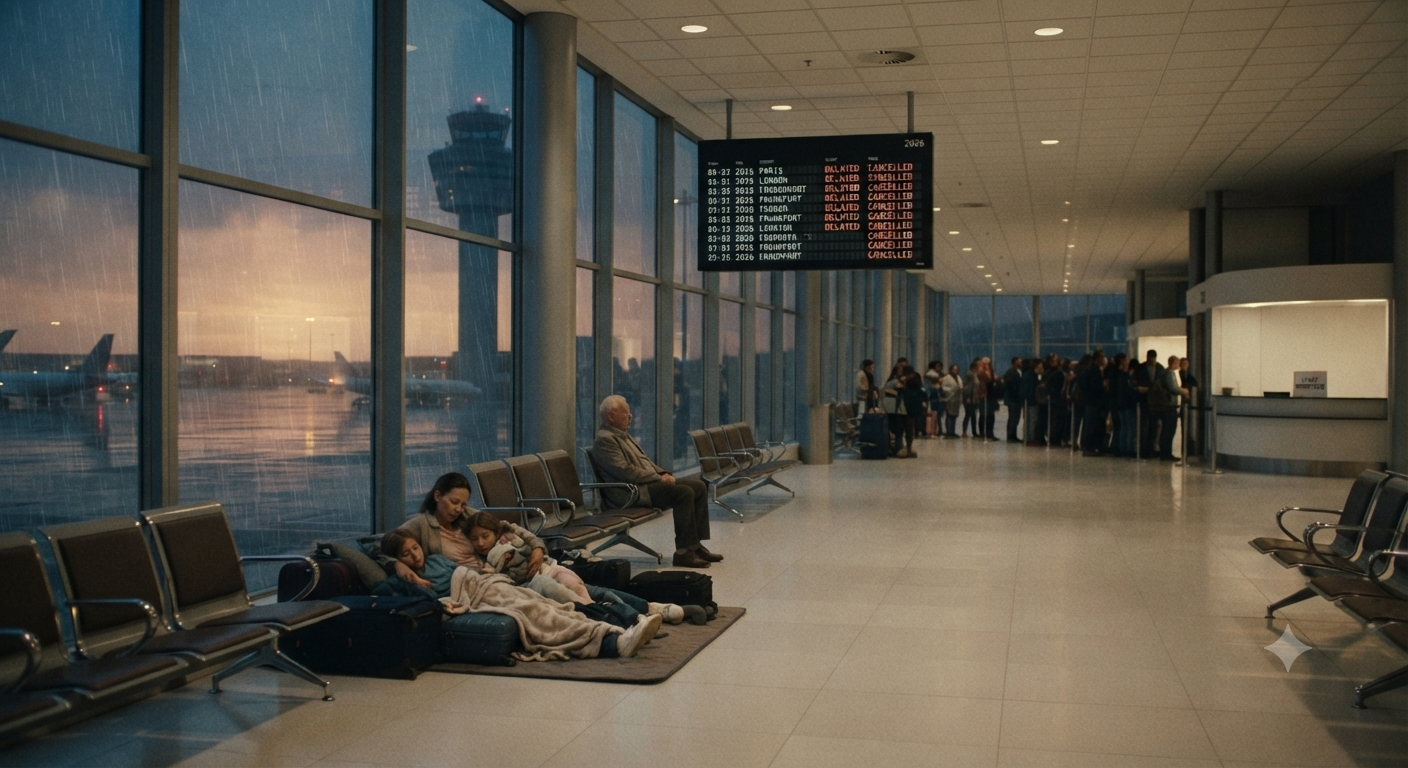
Within hours of the opening strikes, Bahrain, Iraq, Kuwait, Qatar, Syria, and the UAE shuttered their airspace. The three biggest Gulf carriers, Emirates, Etihad, and Qatar Airways, suspended all operations.
According to flight-tracking service Flightradar24, more than 21,000 flights were cancelled across seven major airports including Dubai, Doha, and Abu Dhabi in the days immediately following the strikes. Aviation analytics firm Cirium recorded approximately 37,000 cancellations between February 28 and March 8, 2026 alone. Hundreds of thousands of travelers were stranded mid-journey with no viable route home, even as their governments urged immediate evacuation.
The Collapse of the Global Transit Corridor
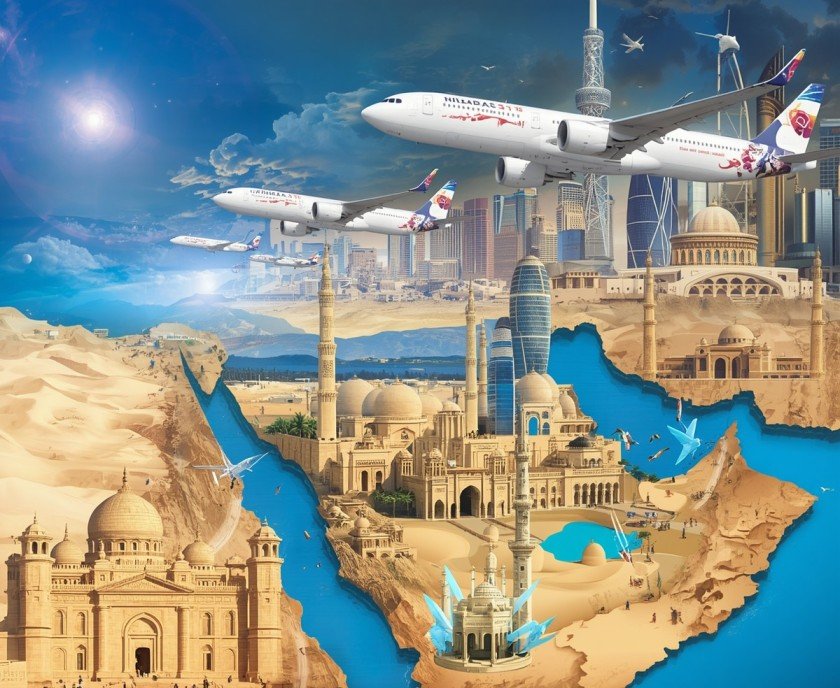
To understand the scale of the disruption, you need to understand what Middle Eastern airspace actually does for global travel. Tony Stanton, consultant director of Strategic Air in Australia, told CNN Travel that the region functions as “a high-capacity bridge” between Europe and Asia. When that bridge closes, traffic funnels north or south into narrow corridors that quickly become overloaded.
The Middle East accounts for roughly 14% of global air transit activity, according to Tourism Economics. Rerouting around the region adds flight time, burns significantly more fuel, and creates knock-on scheduling chaos for crews and aircraft positioned across the globe. The ripple effects hit carriers from London to Singapore before most passengers even knew where to look on a map.
Airlines That Suspended Flights to the Middle East
Several major international carriers extended suspensions well into 2026, including:
- Air India: Suspended all flights to Israel until at least May 31, 2026 and sharply reduced its West Asia schedule overall
- Lufthansa Group: Suspended Dubai until July 11 and services to Abu Dhabi, Amman, Riyadh, Muscat, and Tehran until late October
- Singapore Airlines: Cancelled flights to Dubai until August 2
- Cathay Pacific: Extended suspension of Dubai and Riyadh services until June 30
- KLM: Suspended Riyadh, Dammam, and Dubai routes until late June
These are not short-term schedule adjustments. Several of them stretch across the peak summer travel period entirely.
GPS Spoofing and the Hidden Risk for Civilian Flights
One underreported element of the aviation crisis is the electronic warfare dimension. Widespread GPS spoofing across the Persian Gulf has caused civil airliners to deviate from safe flight paths, according to aviation safety reporting from Simple Flying, creating accidental engagement risks from active air defense systems. This has forced airlines to make difficult calls about routes they would normally consider completely routine.
The Tourism Collapse Across Dubai and the Gulf
The hotel data tells the story as clearly as any other metric. Before the conflict started, Dubai hotels were operating at around 84% occupancy, according to CoStar data. Within 48 hours of the initial strikes, hotel booking cancellations across Dubai were running at approximately 60%, and by the week ending March 14, occupancy had fallen to around 22%, according to hospitality consultancy HVS. Some properties fell further still, with CoStar reporting individual hotels at single-digit occupancy levels not seen since the COVID-19 pandemic.
Luxury resorts on Palm Jumeirah slashed rates by up to 50%. Several flagship properties chose to close entirely for renovations rather than operate near-empty through peak season. Park Hyatt Dubai closed May 1 with a planned reopening in the fourth quarter of 2026, citing the opportunity for refurbishment works that would otherwise displace significant revenue.
What the Numbers Mean for the Broader Region
The World Travel and Tourism Council put a number on the daily damage. On March 11, 2026, the WTTC reported the Iran conflict was costing the global travel and tourism sector approximately $600 million per day. The UAE accounted for roughly $180 million of that figure daily, with Saudi Arabia absorbing around $120 million more.
Data platform AirDNA estimated that more than 220,000 short-term bookings were cancelled across the UAE in the first month of the conflict alone, a near-total collapse from pre-war levels. Tourism Economics projected that the broader Middle East region could see between 23 and 38 million fewer international arrivals in 2026 than previously forecast, translating to a reduction of somewhere between $34 and $56 billion in visitor spending across the region.
The damage extended well beyond the UAE. Jordan lost mass bookings to Petra and the Dead Sea as travelers perceived the entire region as high-risk regardless of actual proximity to conflict. Kuwait absorbed a heavy blow to its international business travel sector as corporate risk teams banned regional trips outright. Bahrain, already one of the more financially stretched Gulf economies, lost aluminum and oil export capacity at exactly the same moment its hospitality revenue disappeared.
Traveler Checklist: What to Do if You Have Middle East Plans
- Check your government’s current travel advisory before booking anything
- Read your travel insurance policy carefully since most standard policies exclude acts of war
- Contact your airline directly about rebooking or refund options under current waiver policies
- Consider Cancel for Any Reason coverage if booking new trips near the region
- Monitor airline route updates regularly as schedules are still being revised month to month
How Global Travel Patterns Are Shifting
Not everyone is losing. Istanbul has emerged as a significant beneficiary of the disruption. With Gulf mega-hubs compromised, Turkish Airlines and Istanbul Ataturk Airport are absorbing a growing share of the Europe to Asia connecting traffic that previously flowed through Dubai and Doha. Bookings and fares on alternative long-haul routes surged almost immediately after the strikes began, according to Reuters.
Southern Europe is seeing a pickup in redirected luxury demand too. Italy, Spain, and Croatia are absorbing guests who would normally have stopped in the Gulf. Dubai’s government has acknowledged the shift and responded with an emergency relief package of around AED 1 billion, approximately $272 million, covering deferred fees and payments for hotels, to stabilize the sector through the crisis period.
Will Middle East Travel Recover?
Industry veterans are cautiously optimistic. Dubai bounced back from the 2008 financial crash and from COVID-19 faster than almost any comparable market. It has the infrastructure, government financial backing, and geographic fundamentals that do not vanish because of a conflict period.
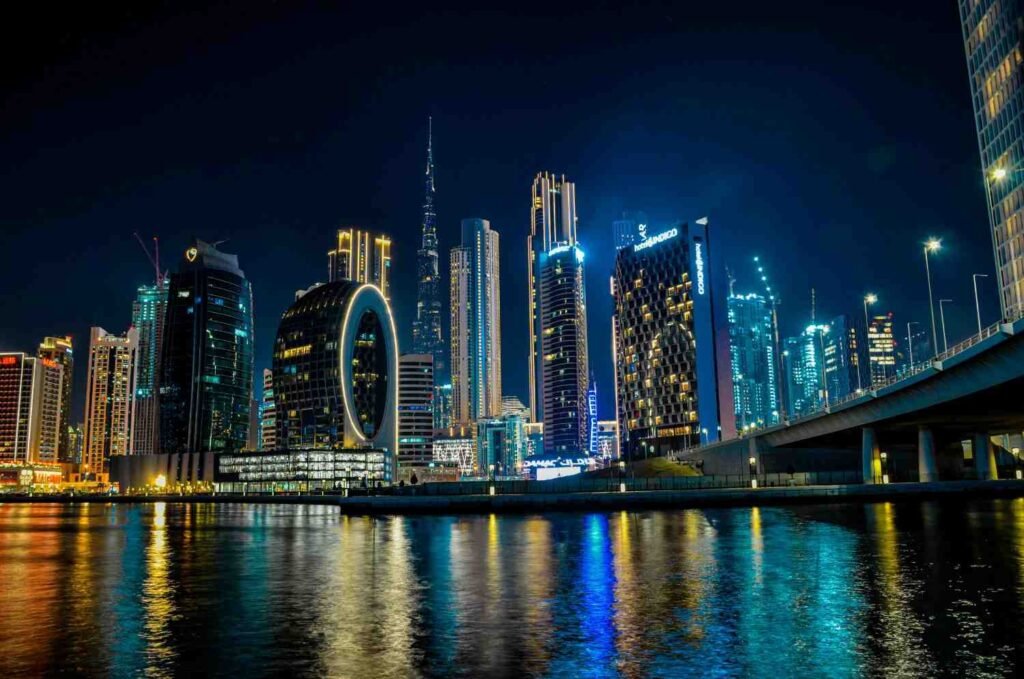
The Dubai Department of Economy and Tourism is still targeting 22 million visitors in 2026 and 25 million by 2030, with 50,000 new hotel keys planned across the emirate. The ambition has not changed. The timeline has shifted.
Historical Gulf crises, including the 2003 Iraq invasion and the 2019 Aramco strikes, suggest that recovery can be sharp once stability returns. The pattern tends toward a V-shape rather than a slow grind. For now, the Middle East travel landscape looks fundamentally different from what existed at the start of 2026. Travelers are rerouting through Europe. Airlines are rebuilding schedules month by month. And the Gulf states that built their economies around seamless global connectivity are navigating the most complex crisis their tourism sectors have ever faced.