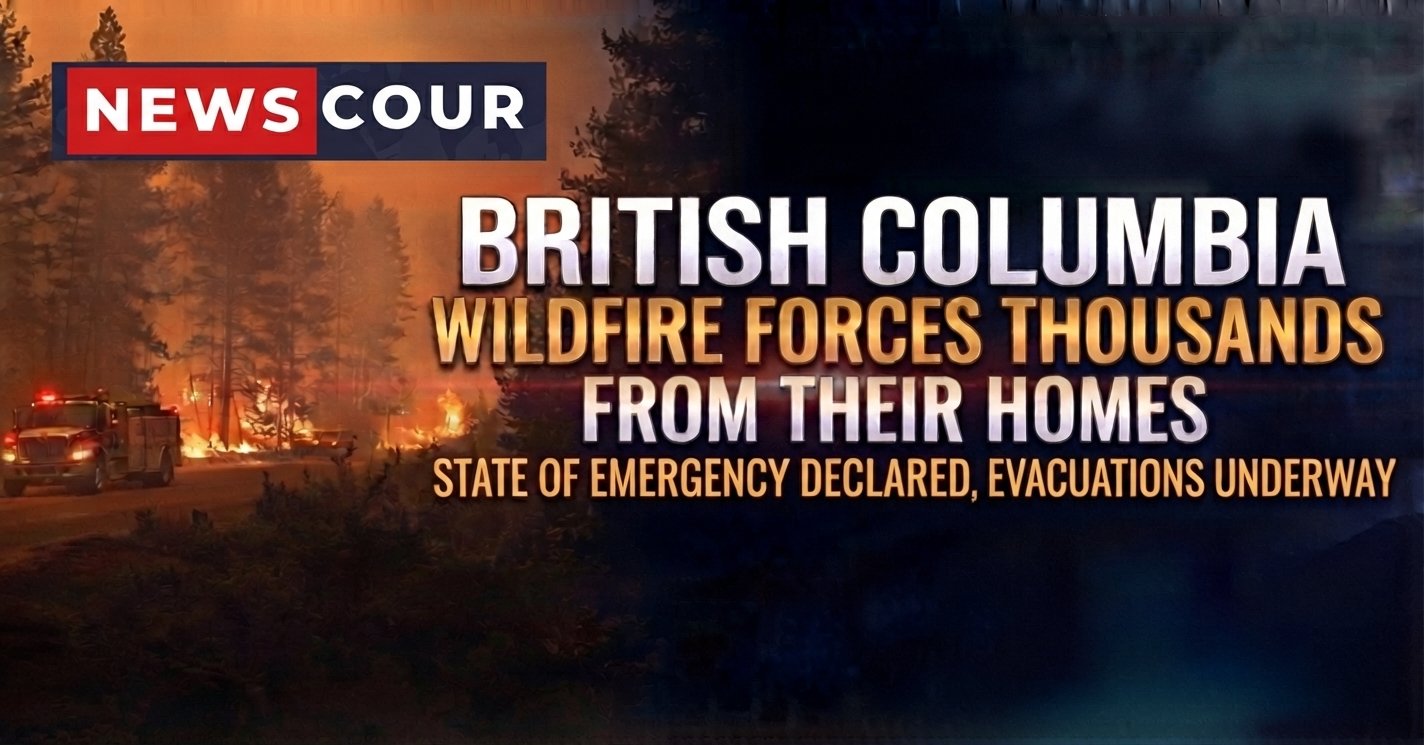
A fast-moving British Columbia wildfire has upended life in Canada’s Okanagan Valley, forcing some 20,000 people from their homes and destroying about 150 structures. The Bald Range fire near the community of Summerland grew so quickly that the province declared a state of emergency.
Nearly two weeks after the British Columbia wildfire began, most evacuees have been allowed to return, but the recovery is only beginning. Here is what happened, the toll it took, and how the response unfolded.
How the British Columbia Wildfire Spread
The Bald Range fire started on August 7 about 15 kilometers northwest of Summerland, in the province’s southern interior. Within three hours of being spotted, it had already burned around 5,000 hectares.
The Scale of the Fire
According to British Columbia officials and emergency services:
- The entire community of Summerland, population 12,000, was ordered to evacuate.
- Around 8,000 more people fled the nearby Peachland area, roughly 20,000 in total.
- The fire grew to more than 15,000 hectares within days.
- About 150 structures were damaged or destroyed, roughly 40 of them in Summerland.
The premier described the sudden growth as a remarkable escalation, saying the blaze became so intense it generated its own weather system and lightning. An estimated 50,000 farm animals on 146 farms had to be left behind, with some handlers permitted to stay and tend them.
The Human Toll
The fire claimed one life. Police confirmed that an 80-year-old woman died while trying to evacuate the Meadow Valley area northwest of Summerland as the flames advanced.
For the thousands who fled, the disruption was severe. Most evacuees headed to reception centers in Penticton and West Kelowna, where limited accommodation meant many were urged to stay with family or friends.
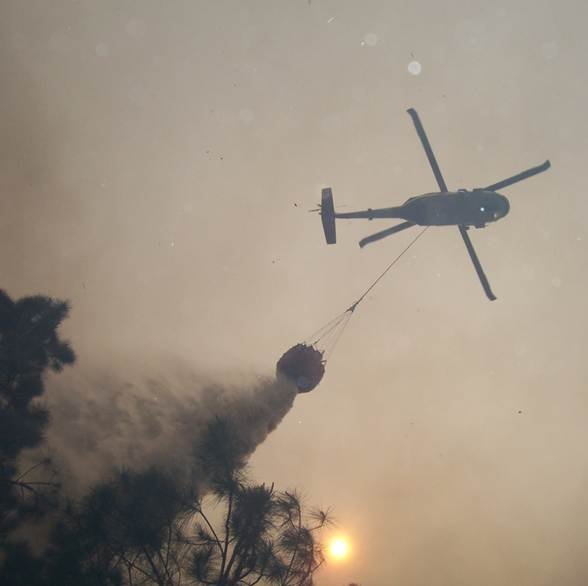
The scenes were striking, with residents recording video of flames along the highway as they drove out. Crews used helicopters to rescue dozens of people who had been cut off by the fast-moving fire.
How the Response Came Together
The response to the British Columbia wildfire drew help from across the country and beyond. Prime Minister Mark Carney put the Canadian military on standby, and 100 firefighters from Mexico arrived to join the fight.
By this week, the situation had improved enough for officials to partially downgrade the evacuation order, allowing the majority of Summerland residents back into their homes. Some areas remained under order as crews worked to secure the perimeter.
The fire is part of a punishing season across British Columbia, driven by persistent heat and drought. Fire information and safety guidance for the province are published by the BC Wildfire Service.
Wildfires and their aftermath are a recurring strain on communities and emergency services. For our coverage of another blaze that stretched a region’s resources, see our report on the Greece wildfire helicopter crash near Athens.
For the people of Summerland, returning home is only the first step in a long recovery. As they sift through what the fire took and what it spared, the Okanagan faces the hard work of rebuilding before the season is even over.
Our thoughts are with the Okanagan communities returning to assess the damage and begin to rebuild. For verified updates as the recovery continues, stay with NEWSCOUR.