
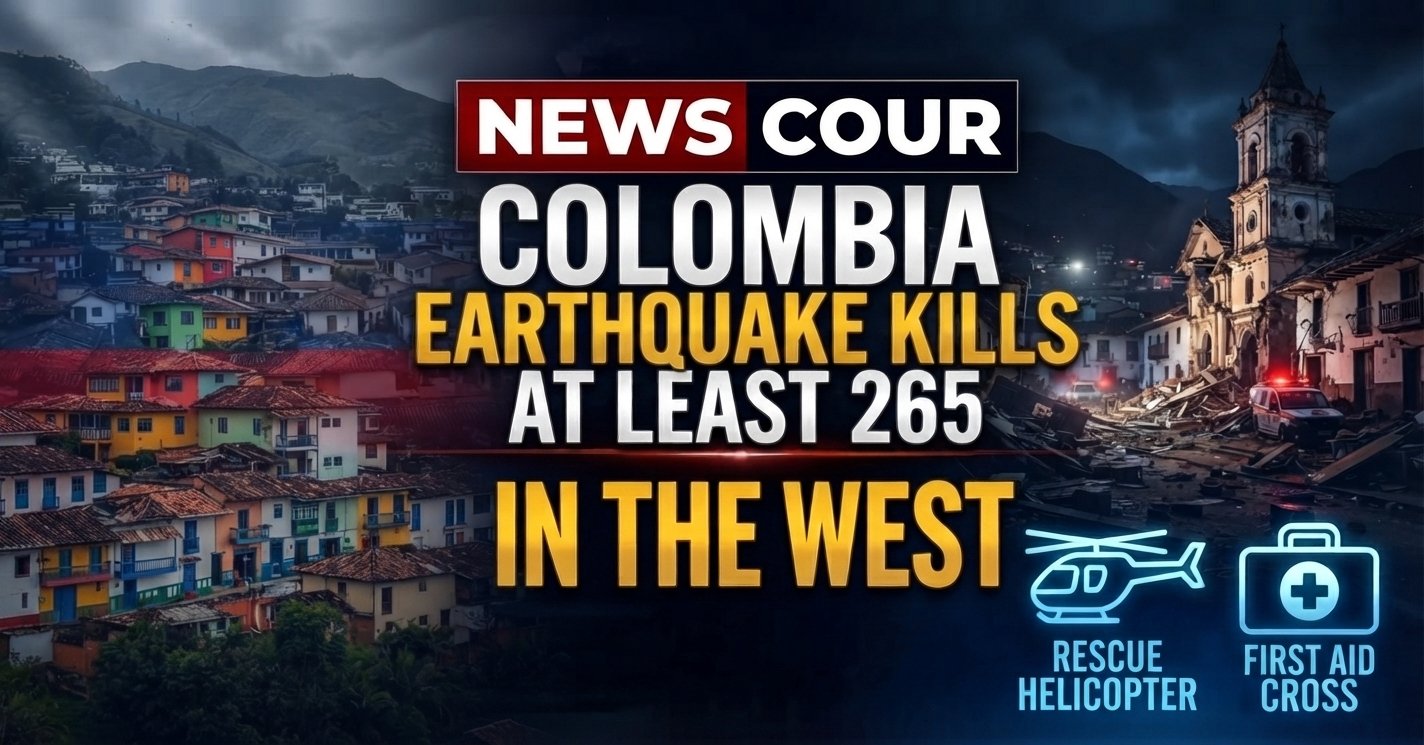
A powerful Colombia earthquake has killed at least 265 people and injured hundreds more after striking the country’s west on Monday. The magnitude 7.4 quake was the strongest to hit the country this century, according to the Colombian Geological Service.
It flattened buildings, buckled roads and left many trapped as rescue crews and volunteers dug through the rubble. The disaster is the first major test for Colombia’s new president, Abelardo de la Espriella, who took office days earlier.
Here is what happened, where the damage is worst, and how the rescue effort is unfolding.
What Happened in the Colombia Earthquake
The quake struck Monday, with an epicenter in the Choco region on Colombia’s Pacific coast. That area sits along the Ring of Fire, the belt of seismic faults around the Pacific where most of the world’s earthquakes occur.
The Key Facts
According to Colombian authorities and international agencies:
- The earthquake measured magnitude 7.4, the strongest in Colombia in the 21st century.
- At least 265 people were killed, a toll that rose steadily as rescuers reached more areas.
- Hundreds were injured, and many more were reported missing on emergency databases.
- Dozens of buildings collapsed and hundreds more were damaged across several cities.
The Colombia earthquake was felt as far away as neighboring Ecuador and Panama. More than 70 aftershocks followed in the first day, complicating rescue work and keeping frightened residents out of their homes.
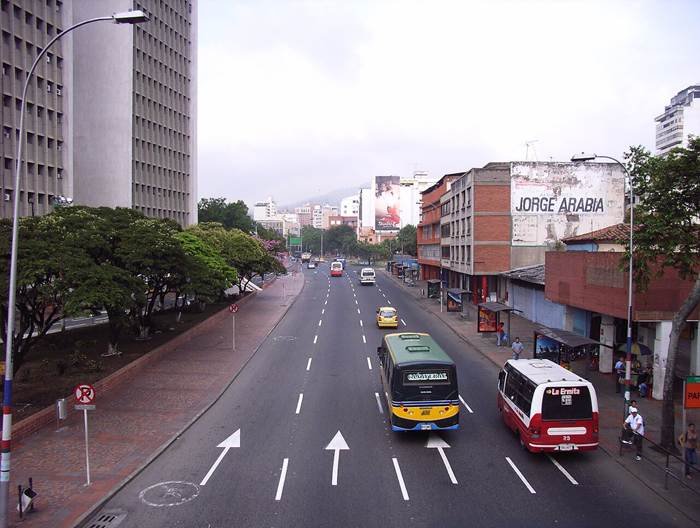
Where the Colombia Earthquake Hit Hardest
The damage from the Colombia earthquake was concentrated across several cities in the west. Cali, Colombia’s third-largest city, saw at least 20 large buildings fall, while the city of Pereira suffered some of the heaviest casualties.
Other cities, including Quibdo and Manizales, were also badly shaken. Near the epicenter, the Choco region is one of Colombia’s poorest and most remote, and communications outages slowed early reports from the worst-affected rural areas.
The quake caused secondary disasters as well. A fire broke out at a jail near Cali, and several airports suspended operations, hampering the flow of aid into the region.
The Race to Reach Survivors
Rescue teams have been working against the clock, since the first 48 to 72 hours after a quake are widely seen as the best window to find people alive. Crews and civilians formed long lines to pass rubble by hand, and there have been moments of hope.
Rescuers pulled a woman from a collapsed building in Cali almost 30 hours after the quake, and a baby was recovered alive from an apartment block. Each rescue drew cheers from exhausted crews and crowds.
The response has drawn help from beyond Colombia’s borders. Aid from regional partners began arriving as the government coordinated the emergency, and technical details on the quake are published by the US Geological Survey, which tracks seismic events worldwide.
Natural disasters are testing communities across the globe this summer. For our coverage of another emergency straining a region, see our report on the Europe heat wave uncovering WWII wrecks in the Danube.
For the people of Cali and Pereira, the coming days will be measured in rescues and recoveries. A new government and a shaken nation now face the long work of counting the losses and rebuilding what the earth took down.
Our thoughts are with the families and rescue crews across western Colombia in the difficult days ahead. For verified updates as the toll and the response develop, stay with NEWSCOUR.