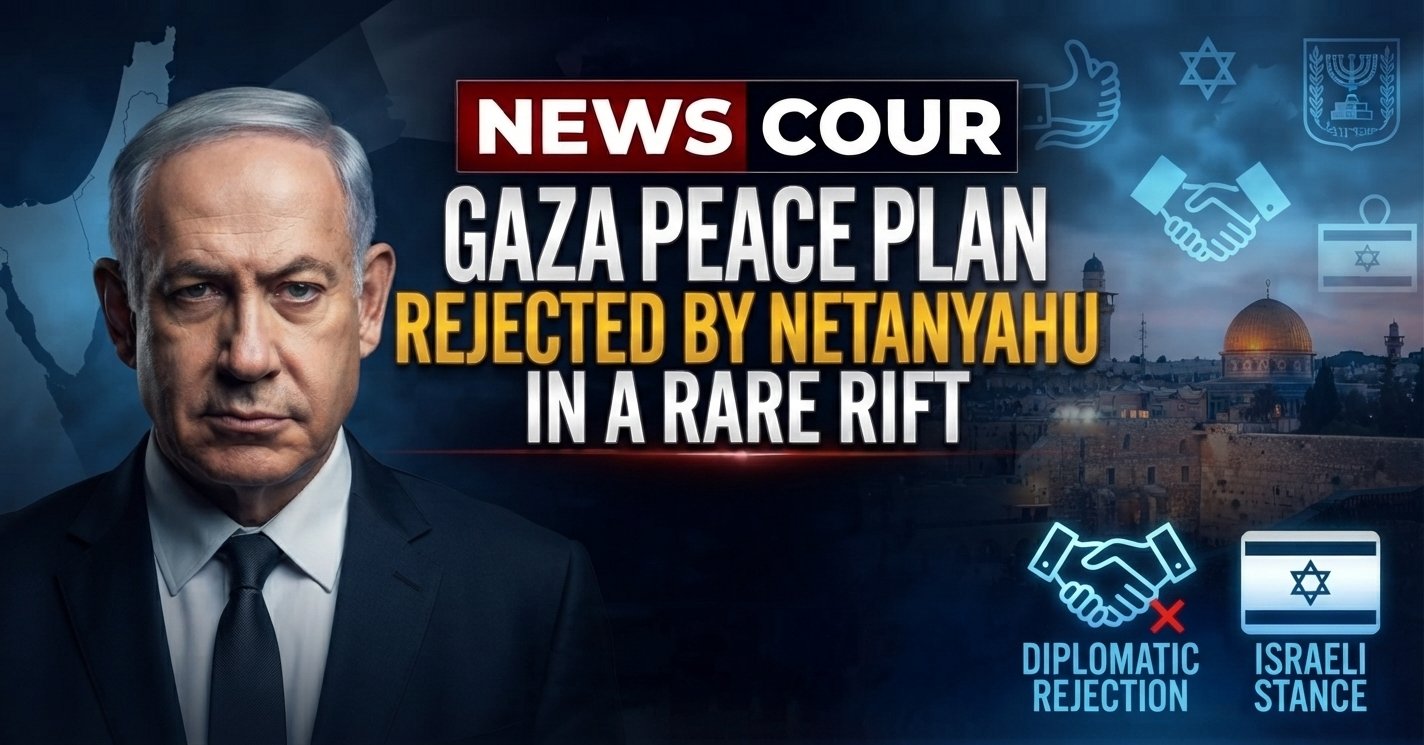
A US-backed Gaza peace plan has hit a wall, exposing a rare public rift between two close allies. Israeli Prime Minister Benjamin Netanyahu said his country rejects the 15-point document set out by President Donald Trump, insisting Israeli forces will not withdraw until Hamas is fully disarmed.
The Gaza peace plan had been championed by Washington as a breakthrough toward ending the war. Here is what the proposal contained, why Israel rejected it, and how the other parties have responded.
What the Gaza Peace Plan Proposed
The roadmap came from Trump’s Board of Peace, a body inaugurated earlier in 2026 that includes roughly 40 countries. Trump had announced in late July what he called a historic agreement toward disarming Hamas.
The Core of the Proposal
According to statements from the parties, the plan set out a phased approach:
- A staged Israeli military withdrawal from Gaza, carried out in steps rather than all at once.
- The disarmament of Hamas and other armed groups as part of the same phased process.
- An international body to oversee demilitarization, which Trump was asked to help lead.
- A path toward Palestinian governance and reconstruction in the territory.
The central design was sequencing. The plan envisioned withdrawal and disarmament happening in parallel stages, rather than requiring Hamas to give up all its weapons before any Israeli pullback began.
Why Netanyahu Rejected the Gaza Peace Plan
Netanyahu’s objection centers on that sequencing. Speaking to his Cabinet, he said Israel would not carry out any withdrawal until Hamas is, in his words, genuinely disarmed, drawing a distinction between what he called genuine and fictitious disarmament.
He also restated a broader position, saying that as long as he is prime minister, no Palestinian state will be established. The comments came as Israeli forces continue to hold a large share of the territory.
The rejection carries domestic weight. Netanyahu is facing an election on October 27, with polls suggesting his coalition is at risk, and analysts note the war’s course is likely to shape the outcome.
How the Other Parties Responded
Hamas said it remained committed to the roadmap set out by the Board of Peace. A senior official said the group expected mediators and the United States to press Israel to adhere to the plan rather than obstruct it for political reasons.
Palestinians in Gaza voiced frustration and weariness, with residents saying they had hoped the war would end. Regional mediators, including Egypt, urged all sides to fulfill their commitments and avoid steps that could derail the process.
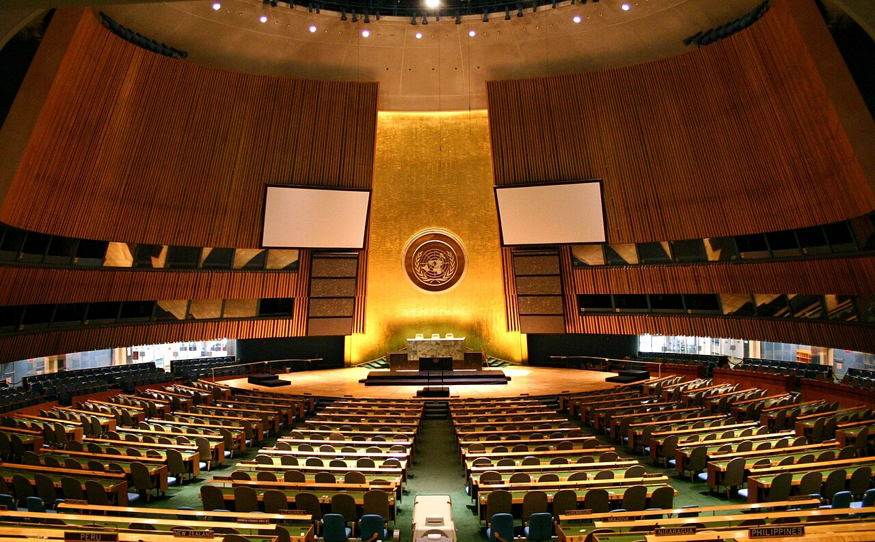
The split also strained ties with Washington, which had promoted the Gaza peace plan as a signature achievement. The wider diplomacy continues to run through institutions such as the United Nations, which tracks developments on the question of Palestine.
This diplomatic thread runs alongside the wider regional tensions we have been following. For a related flashpoint, see our coverage of the Iran ceasefire and what is left of it.
For now, a plan promoted as a path to peace has instead laid bare how far apart the parties remain. Whether mediators can bridge the gap over sequencing may determine if the roadmap survives at all.
The distance between the sides is measured in the order of a single sequence, and that gap is where the war’s end now hangs. For verified updates as the diplomacy develops, stay with NEWSCOUR.