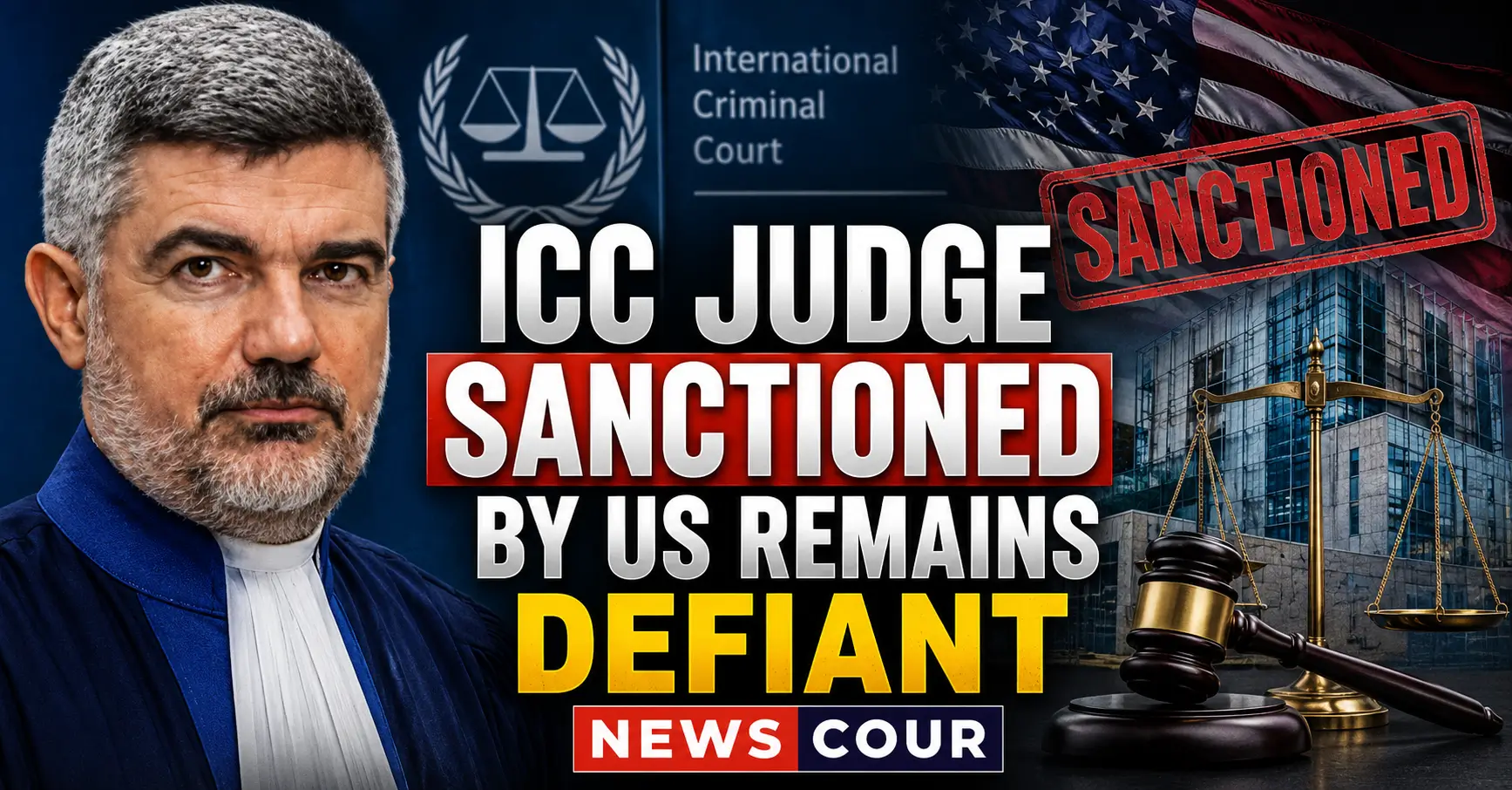
An ICC judge sanctioned by US authorities for his role in the Netanyahu arrest warrant says the punishment hasn’t shaken his resolve even as it has locked him out of ordinary banking, online shopping and even hotel bookings.
French jurist Nicolas Guillou, a sitting judge at the International Criminal Court since 2024, has spent nearly a year navigating life under US sanctions. DW spoke with Guillou about being sanctioned by the US for the Netanyahu arrest warrant, and his answer was unambiguous: the work continues.
Who Is Nicolas Guillou and Why Was He Targeted?
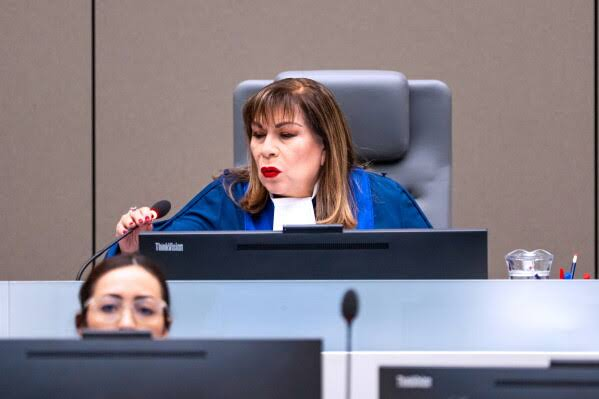
The ICC judge sanctioned by US officials in August 2025 is no junior figure. Guillou previously served as Chef de Cabinet to the President of the Special Tribunal for Lebanon and as an international judge at the Kosovo Specialist Chambers before joining the ICC.
His offence, in Washington’s eyes, was procedural rather than personal. On 20 August 2025, Guillou went from a respected judge to a blacklisted individual for American companies after Trump sanctioned him for authorising arrest warrants against Netanyahu and Gallant. He was one of several jurists caught in the sweep.
Inside the US Sanctions on ICC Judges
The legal basis is an executive order aimed squarely at the court. The sanctions rest on Executive Order 14203, under which any American individual or company is barred from providing or receiving services from a sanctioned person. That single clause is what severed Guillou from ordinary commerce.
The practical bite comes from how deeply US firms sit inside everyday European life. The measure affects payment methods and digital services broadly, not just direct financial transfers. Banks, airlines and booking platforms routinely rely on US-linked payment rails, which is precisely why the fallout has been so sweeping.
How the Sanctions Are Reshaping His Daily Life

Guillou has been candid about the disruption. He described being effectively blacklisted by much of the world’s banking system. Everyday transactions that most professionals take for granted have become obstacle courses.
- Bank cards declined without warning
- Amazon and other US-linked retail purchases blocked
- Airbnb reservations refused
- A confirmed Expedia hotel booking in France cancelled hours later
Guillou recounted booking a hotel in France through Expedia, only for the reservation to be cancelled hours later once his sanctioned status was flagged. He compared the experience to going back three decades in time.
The Netanyahu Arrest Warrant That Triggered the Backlash
The root of this stand-off traces back to Gaza. On 21 November 2024, the ICC’s Pre-Trial Chamber unanimously issued arrest warrants for Netanyahu and former Defence Minister Yoav Gallant under Article 58 of the Rome Statute. Guillou sat on the panel that approved them.
READ MORE: Trump Threatens to Bomb Iranian Bridges, Power Plants
Israel disputes the court’s authority entirely. Israel is not a signatory to the Rome Statute, but the ICC can still issue warrants for nationals of non-member states when the alleged crimes occurred on the territory of a state party. Washington’s response has only intensified since. Trump has recently ruled out any Netanyahu arrest, restating longstanding US policy but amplifying it amid a wider campaign against the court.
ICC and France Push Back
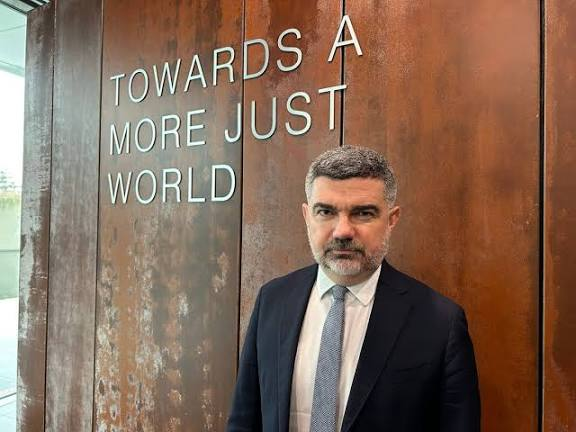
Institutional reaction was swift and pointed. The ICC called the sanctions “a flagrant attack against the independence of an impartial judicial institution,” operating under a mandate from 125 States Parties worldwide. Paris echoed the concern at government level.
Diplomatic appeals, so far, have gone nowhere. French President Emmanuel Macron has reportedly sent multiple letters urging Washington to lift the sanctions but has yet to receive a favourable response. Guillou himself expects the measures to outlast the remainder of Donald Trump’s presidency.
Other Sanctioned ICC Officials
Guillou is far from alone. Two separate rounds of sanctions in mid-2025 widened the net considerably, and Euronews now counts 11 ICC judges in the same position.
| Name | Role | Country | Case Involved |
|---|---|---|---|
| Nicolas Guillou | Judge | France | Netanyahu/Gallant warrant |
| Kimberly Prost | Judge | Canada | Afghanistan war crimes probe |
| Beti Hohler | Judge | Slovenia | Netanyahu/Gallant warrant |
| Reine Alapini-Gansou | Judge | Benin | Netanyahu/Gallant warrant |
| Luz del Carmen Ibáñez Carranza | Judge | Peru | Afghanistan war crimes probe |
| Solomy Balungi Bossa | Judge | Uganda | Afghanistan war crimes probe |
| Nazhat Shameem Khan | Deputy Prosecutor | Fiji | Netanyahu/Gallant warrant |
| Mame Mandiaye Niang | Deputy Prosecutor | Senegal | Netanyahu/Gallant warrant |
Secretary of State Marco Rubio said the sanctioned individuals had directly engaged in ICC efforts to investigate, arrest, detain or prosecute nationals of the United States or Israel without either country’s consent.
What This Means for Global Judicial Independence
Guillou frames the stakes well beyond his own inconvenience. He argues the ICC matters precisely because it exposes cracks in the contemporary world, noting that countries outside the court often carry imperial histories. Despite the pressure, he insists he remains hopeful.
- The sanctions test whether international courts can function under economic coercion
- Europe’s reliance on US banking and tech infrastructure is now a exposed vulnerability
- Judicial independence, once assumed, is being renegotiated in real time
“If prosecutors are afraid to prosecute, if judges are afraid to judge… there is no more democracy,” Guillou has warned, framing his own case as a test of whether international law can survive great-power pressure.