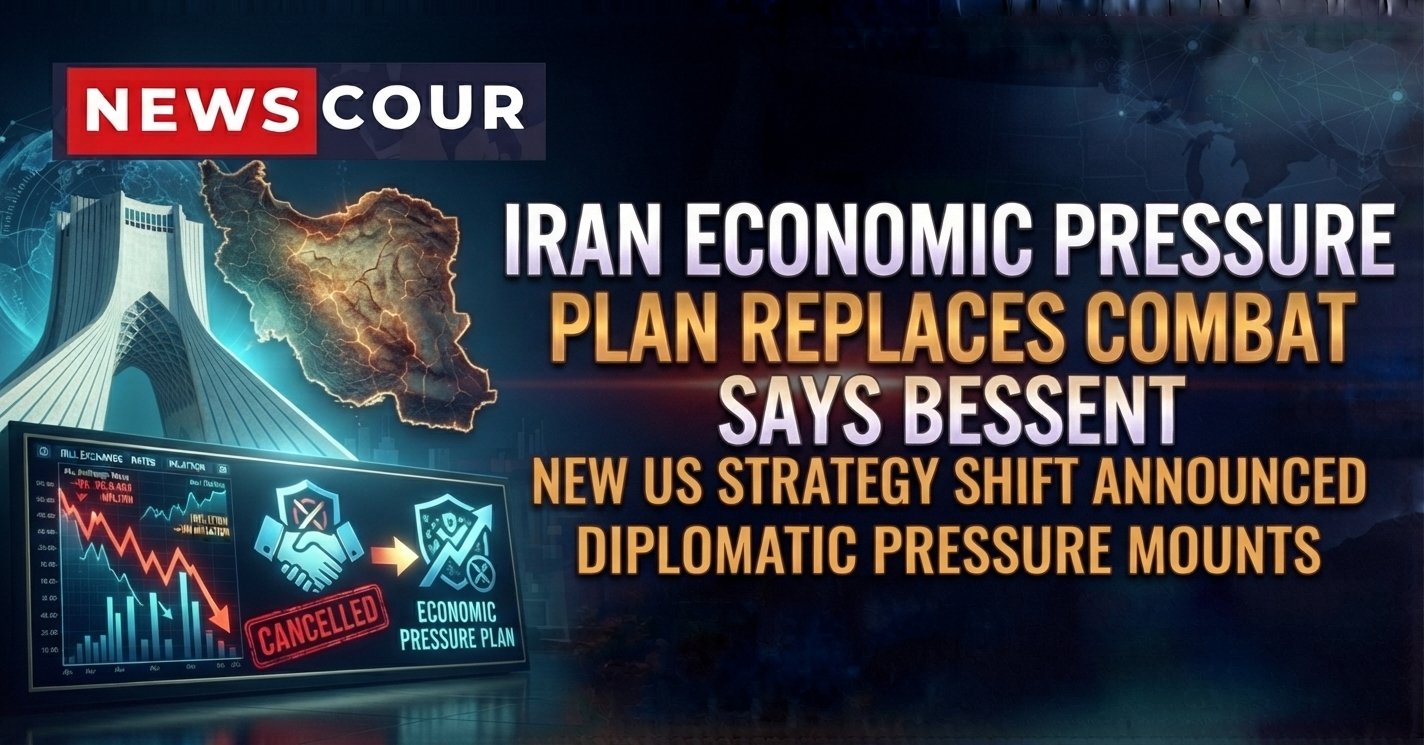
The United States is betting on Iran economic pressure rather than renewed fighting to force change in Tehran, Treasury Secretary Scott Bessent has said. He told CNBC that a maximum-pressure campaign would likely make a return to large-scale combat unnecessary.
The Iran economic pressure comments came as President Donald Trump threatened sweeping penalties on any country that aids Iran’s economy. Here is what the strategy involves, how Iran has responded, and what it could mean for oil markets.
What the Iran Economic Pressure Strategy Involves
Bessent framed the Iran economic pressure approach as a decisive alternative to war. He said Washington would pair existing measures with what he called the toughest sanctions in history, aiming to isolate Tehran financially.
The Core Elements
According to Bessent and the administration, the plan rests on a few pillars:
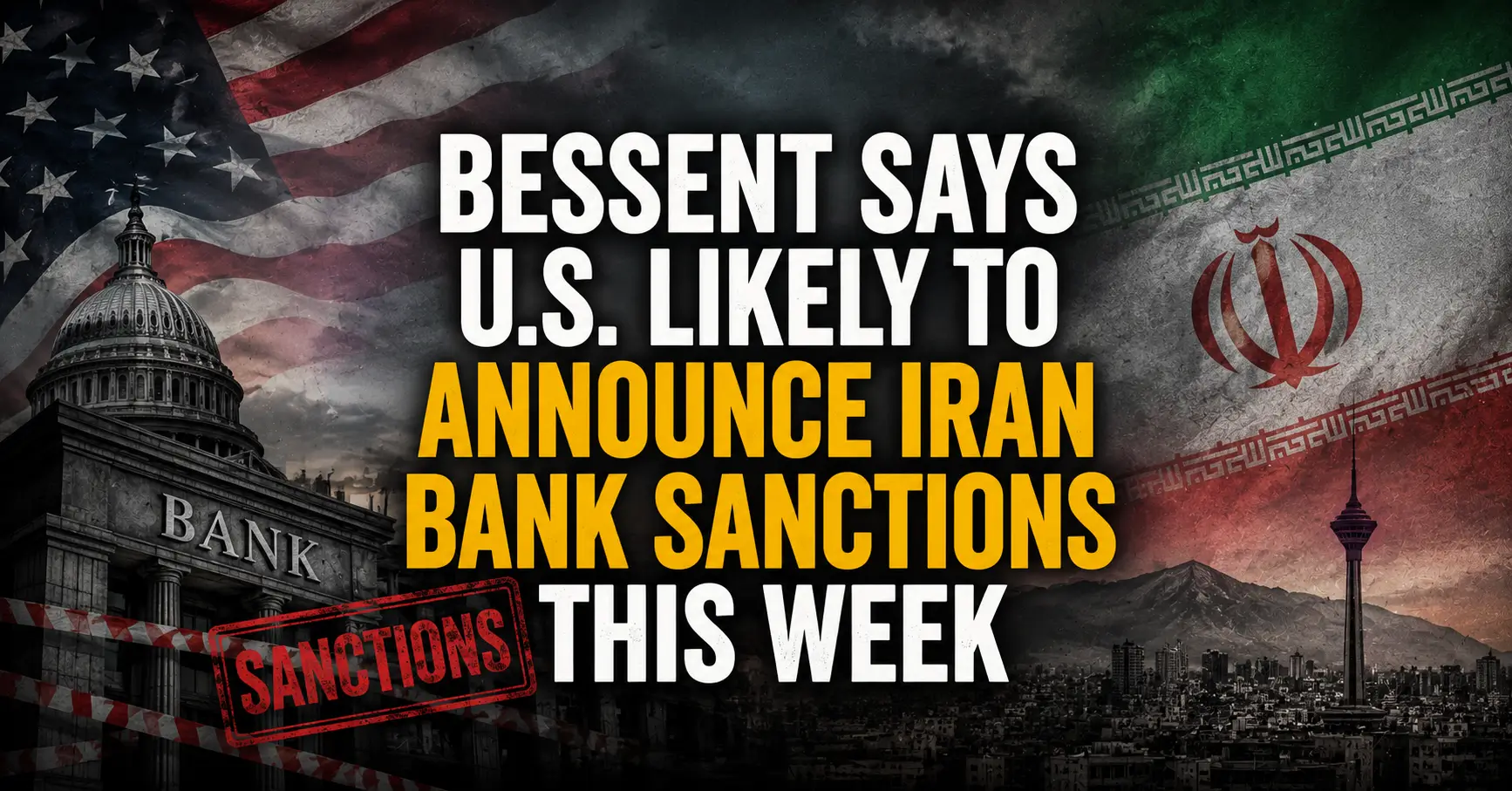
- A pledge to impose what officials describe as the harshest sanctions ever applied to Iran.
- Penalties on any nation that provides what Trump called a lifeline to Iran’s economy.
- A naval presence that the US has used to keep oil moving through the Gulf.
- Full details to be announced at a news conference set for Monday.
Bessent described the effort as the greatest coordinated economic isolation in history, telling allies they would need to choose a side. When asked about the risk of renewed fighting, he said maximum economic pressure likely meant there would not be a large-scale military restart.
How Iran Has Responded to the Economic Pressure
Tehran pushed back sharply against the plan. Iran’s foreign ministry criticized what it called Washington’s reliance on extraterritorial sovereignty, warning against further escalation and urging a different approach.
At the same time, Iranian President Masoud Pezeshkian signaled an openness to ending the conflict. He said it would be better to end the war while Iran was, in his words, in a position of power and dignity.
Iran’s economy has felt the strain. Its output is believed to have contracted during the war and inflation has climbed to historic highs, though analysts caution that Iran is already among the most sanctioned countries in the world.
What It Means for Oil and the Region
The Iran economic pressure strategy has rippled through energy markets. Oil prices rose more than 5 percent over the week, and Bessent argued that traders had misread the administration’s intentions, insisting the goal was pressure rather than a wider war.
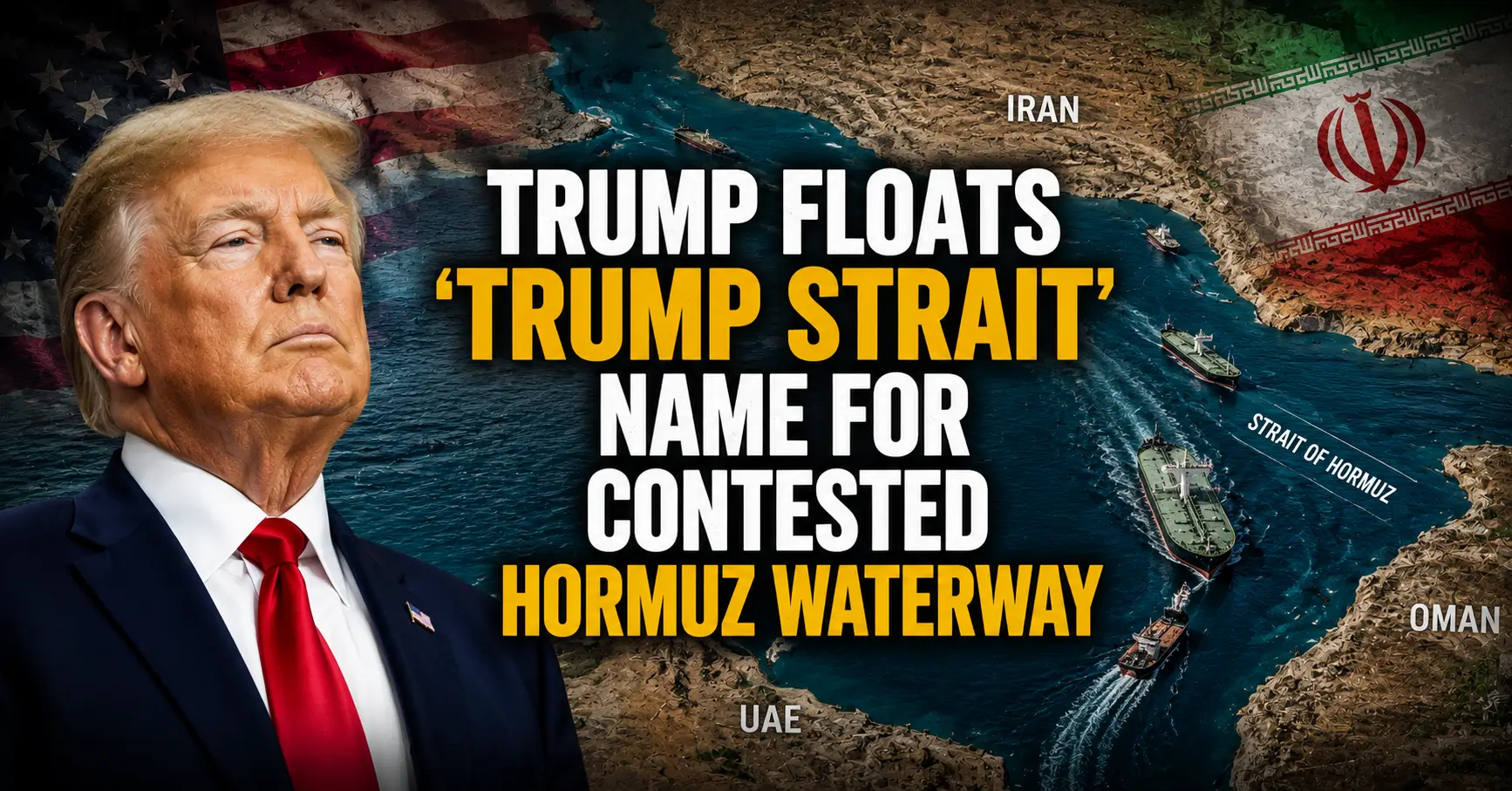
Tensions around the Strait of Hormuz remain a wild card. The US military says it has helped move hundreds of millions of barrels of oil through the strait since the spring, even as attacks on shipping have kept the route on edge.
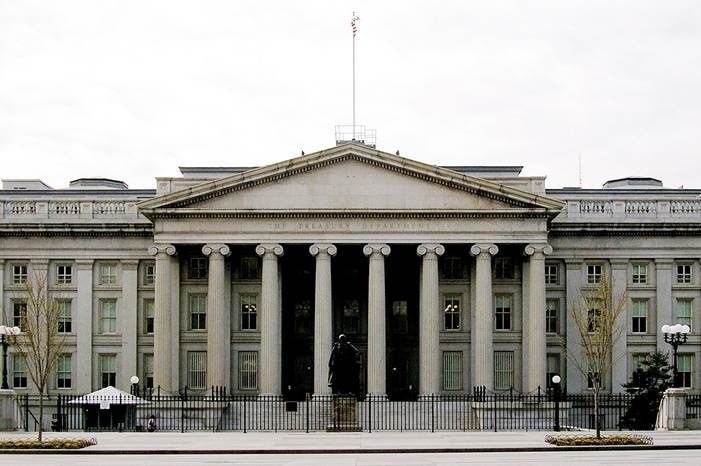
Analysts are divided on whether the plan will work as advertised. Official data on US sanctions programs is published by the US Department of the Treasury, which administers the measures.
The approach is tightly linked to the fragile situation in the Gulf’s most important waterway. For related coverage, see our report on the Strait of Hormuz attack on oil tankers.
Whether economic force alone can achieve what the administration wants remains an open question. For now, Washington is wagering that dollars and sanctions, not missiles, will shape the next phase with Tehran.
The next move is a matter of markets as much as military might, and Monday’s announcement will show how far Washington intends to go. For continuing coverage, stay with NEWSCOUR.