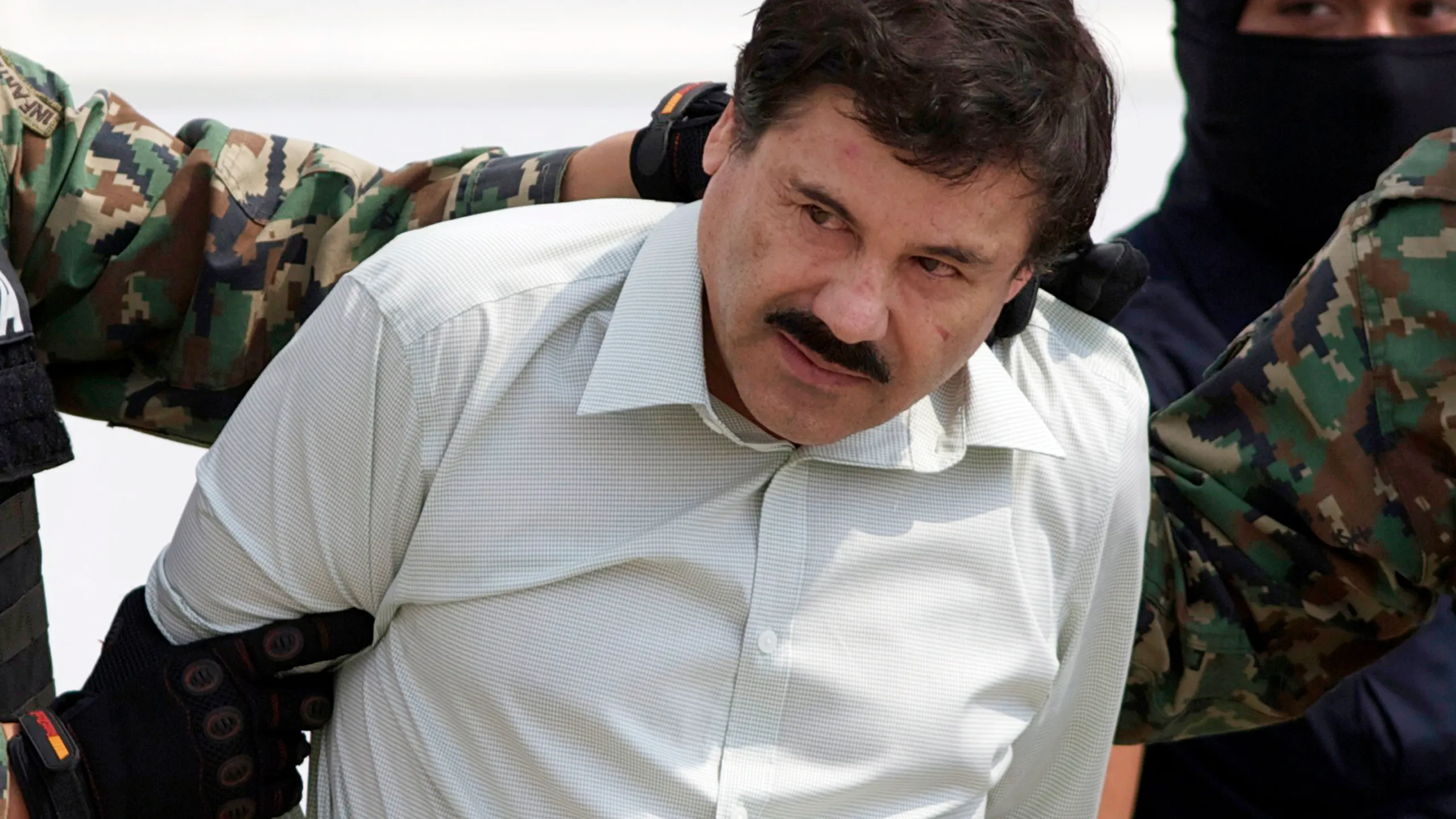
A man Mexican authorities had tied to some of the deadliest attacks on their own soldiers in the last decade is now in custody.
The Sinaloa cartel El 20 arrest took place Tuesday in Villa Union, a town in the Mazatlan municipality of Sinaloa state, when a coordinated operation by Mexico’s Army, Navy, National Guard and federal prosecutors captured Adrian N, alias El 20, identified by the Secretariat of National Defense as a regional operator for the Los Chapitos faction of the Sinaloa Cartel. He is accused of controlling six municipalities in the south of the state and of involvement in a 2016 ambush that killed five Mexican soldiers.
Here is who El 20 was to the cartel, how the operation came together, and what it signals about Mexico’s broader campaign against Sinaloa’s warring factions.
Who Is the Man Behind the Sinaloa Cartel El 20 Arrest
According to Mexico’s Secretariat of National Defense, Adrian N operated as regional chief across six municipalities in southern Sinaloa, including Mazatlan, Villa Union, El Palmito, El Rosario, Concordia and Escuinapa, an area that has seen repeated clashes, forced displacement and federal operations in recent months. Authorities linked him to the September 2016 attack in Culiacan that killed five soldiers, as well as to armed assaults on the military during both the 2019 and 2023 operations to capture and recapture Ovidio Guzman, the son of imprisoned cartel founder Joaquin El Chapo Guzman, incidents Mexicans commonly refer to as the Culiacanazos.
The territory tied to El 20 overlaps with ground long controlled by the Martinez Larios brothers, a clan known locally as El Gabito, El Casco, El Owen and El Monstruo, and his capture follows the arrest of Gabriel Nicolas Martinez Larios, alias El Gabito, in the same city of Mazatlan on June 1.

How the Sinaloa Cartel El 20 Arrest Operation Came Together
The capture was the product of what Sedena described as central military intelligence work, executed in Villa Union by a coordinated effort involving the Mexican Army, National Guard, Navy, the Secretariat of Security and Citizen Protection, the Attorney General’s Office, and Sinaloa’s state security secretariat. A second, unidentified individual was arrested alongside him. Officers seized two 7.62 millimeter machine guns, four long firearms, 30 magazines, 2,158 rounds of ammunition, four ballistic vests, eight ballistic plates, a vehicle and tactical equipment during the raid.
The operation is part of a sustained federal push in Sinaloa aimed at dismantling the structures loyal to Los Chapitos and, separately, containing an internal cartel war with the faction once led by Ismael El Mayo Zambada. That conflict intensified sharply after Zambada was flown into US custody near El Paso, Texas in July 2024, a still disputed episode Zambada has described as a kidnapping by a rival faction member rather than a voluntary surrender.
Why the Sinaloa Cartel El 20 Arrest Matters Beyond One Capture
Mexico’s government has treated Sinaloa as a priority target zone this year, and officials frame each capture, including El 20’s, as evidence of steady progress against organized crime structures that have operated with relative impunity in the region for years. Independent security analysts caution that removing individual regional operators rarely disrupts a cartel’s broader operations for long, since successors typically emerge from the same networks within weeks. What the Secretariat of National Defense has not yet said is who, if anyone, is expected to take over El 20’s former territory.
What Happens Now
Mexican authorities have not announced formal charges beyond the initial military and security statement, and it remains unclear where Adrian N is being held or when he might face prosecution. For residents of the six municipalities he is accused of controlling, the more immediate question is whether his removal reduces the violence that has displaced families and disrupted daily life in southern Sinaloa, or whether, as with previous high profile captures in the region, a new operator simply steps into the vacancy, the same grim pattern already visible in armed violence far from Mexico, including the Nigeria village attack that struck a community authorities had also failed to protect.
Follow NEWSCOUR for more updates!