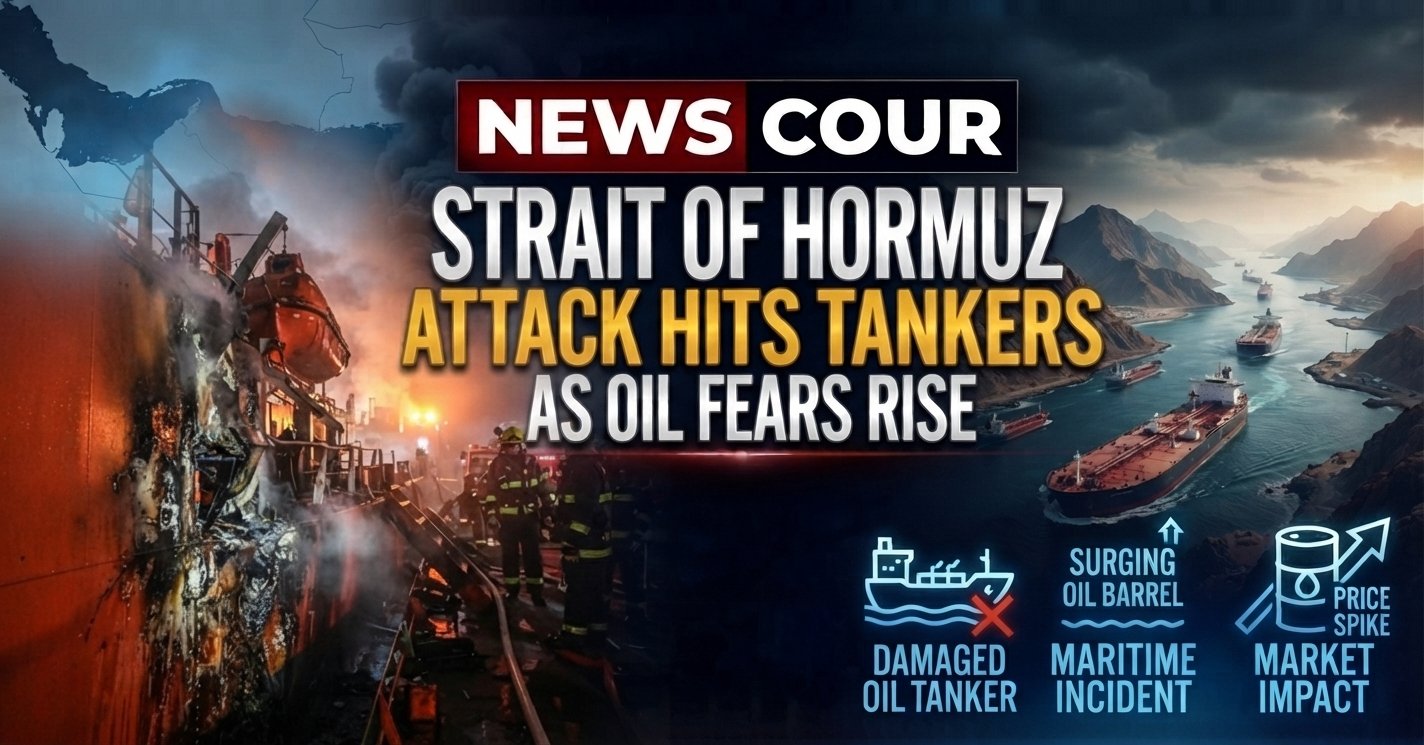
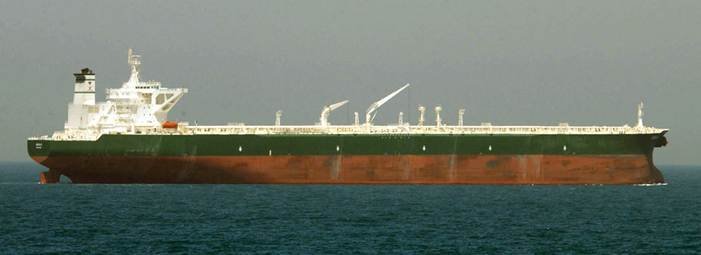
A fresh Strait of Hormuz attack has struck two oil tankers in the world’s most important energy chokepoint, adding to fears over already dwindling global oil supplies. The Abu Dhabi National Oil Company said two of its vessels were hit while transiting the strait on Thursday evening.
No injuries were reported, and no group has claimed responsibility. Here is what happened, why it matters for oil markets, and how it fits into a wider struggle over the waterway.
What Happened in the Strait of Hormuz Attack
ADNOC, the state-owned energy group of the United Arab Emirates, said the situation was under control after the two vessels were attacked. In a statement carried by the UAE’s official news agency, the company stressed the importance of protecting seafarers and safeguarding freedom of navigation.
The company did not say who was behind the strike, and no party has stepped forward to claim it. The attack is the latest in a series of incidents that have made the strait one of the most dangerous stretches of water in the world.
The Key Facts
Based on statements from ADNOC and Emirati state media:
- Two ADNOC vessels were attacked while transiting the strait on Thursday evening.
- No injuries were reported, and the company said the situation was under control.
- No group has claimed responsibility for the attack.
- ADNOC emphasized protecting crews and maintaining freedom of navigation.
Traffic through the strait has collapsed since the war. By one recent count, only a handful of vessels transited in a day, compared with well over a hundred before the conflict.
Why the Strait of Hormuz Attack Rattles Oil Markets
The Strait of Hormuz attack lands on the single most important oil transit chokepoint on earth. Before the war, close to a fifth of the world’s oil passed through it, so any threat to shipping there echoes across the global economy.
The timing sharpens the alarm. The International Energy Agency has warned that global oil stockpiles are being drawn down at a rapid clip, and each attack on shipping makes traders and insurers more nervous about the route.
Efforts to reopen the strait have become more urgent as a result. Reduced traffic has forced the world to lean on its reserves, a cushion that cannot last indefinitely.
A Waterway at the Center of the War
The Strait of Hormuz attack fits a pattern that has made the waterway a central front in the wider conflict. Iran and Oman have been negotiating a framework to restore safe shipping, but attacks like this one underscore how fragile any arrangement remains.
The incident is one of several in recent days. Reports have also described tankers running aground and other vessels coming under fire, deepening the sense that the route is contested and unpredictable.
For now, the world is watching two things at once: the diplomacy that could reopen the strait, and the attacks that keep pushing it further from normal. Technical data on global supply is tracked by the International Energy Agency, which monitors oil markets worldwide.
This is the latest turn in a story NEWSCOUR has followed closely. For the diplomatic track, see our report on the Strait of Hormuz deal nearing between Iran and Oman.
Every strike on a tanker is a reminder that the flow of the world’s oil depends on a single, narrow channel. Until the shipping is safe, the strait will keep the global economy on edge.
The world’s oil still funnels through one fragile passage, and every attack there is felt at pumps far away. For continuing coverage of the strait and the markets it moves, stay with NEWSCOUR.