The US strikes Iran bridges campaign entered its sixth consecutive night early Friday, as American forces expanded their target list deep into Hormozgan province. The escalation marks one of the most aggressive phases yet in a war that has dragged the entire Gulf region into the crossfire.
Iran responded within hours. Missiles and drones struck US-allied territory across Kuwait, Bahrain, Oman and, for the first time, a US special forces outpost in Syria.
What Happened Overnight in Iran
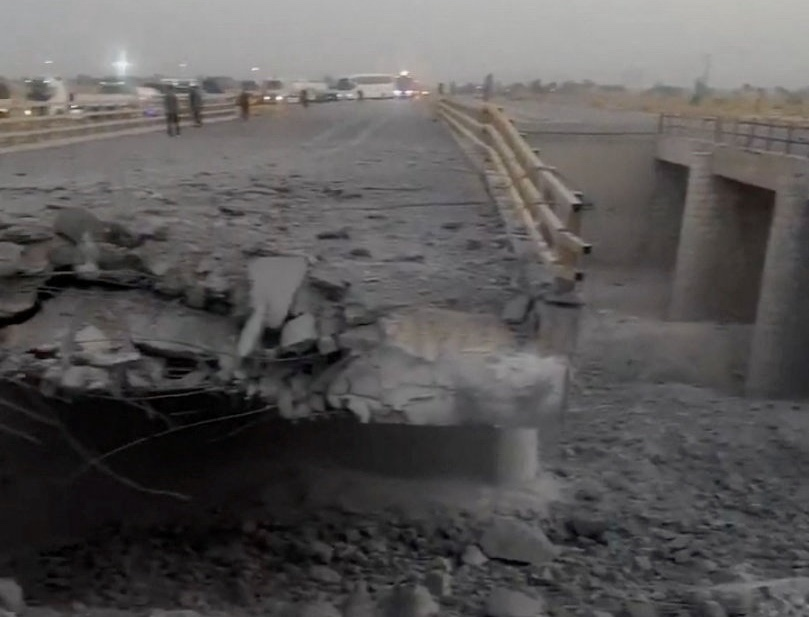
Iranian state media confirmed the US strikes Iran bridges overnight, targeting six highway and railway crossings in Hormozgan province. The bombing also hit a train station in Bandar Abbas and a control tower at Chabahar port.
US Central Command confirmed the operation in a formal statement, saying fighter jets, drones and warships fired precision munitions at dozens of targets. It described the sites as:
- Coastal surveillance and air defense installations
- Military logistics infrastructure
- Maritime capability centers near the Strait of Hormuz
- Power infrastructure in southern provinces
Iran’s Energy Ministry asked residents in southern provinces to conserve electricity Friday, its first public acknowledgment that power facilities were hit directly.
Why Bandar Abbas and the Strait of Hormuz Matter
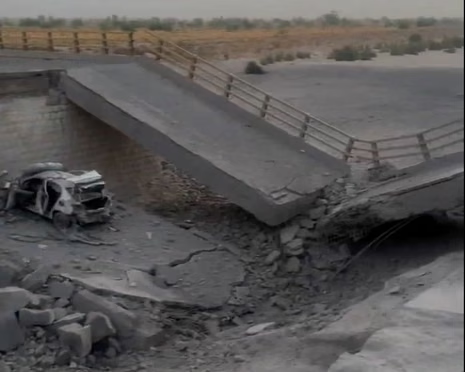
Bandar Abbas functions as Iran’s primary port, linking the coast to Tehran and the country’s interior. The bridge strikes appear designed to sever that connection entirely, isolating the port city from the rest of the nation.
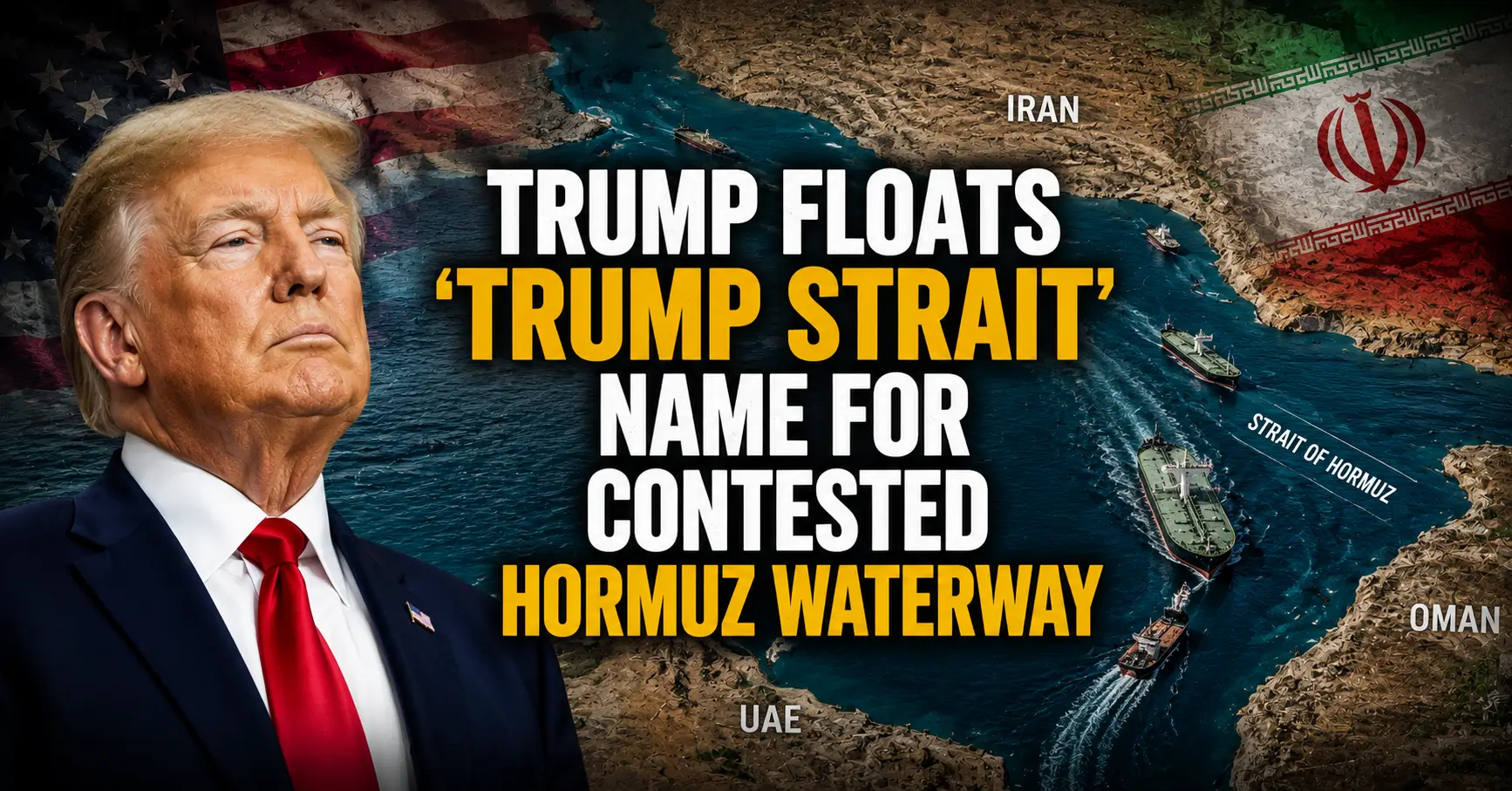
Iran closed the Strait of Hormuz on July 12, choking off a corridor that carries roughly a fifth of global oil shipments. That closure sent oil and fertilizer prices climbing worldwide, giving Tehran significant leverage as ceasefire talks collapsed.
President Trump had signaled this move days earlier, warning bridges would become targets if Iran refused to return to negotiations. Speaking in a primetime address, he told Americans:
“We are likewise winning big in Iran, and you will see the fruits of that labor very, very shortly.”
Iran’s Retaliation Spreads Across the Gulf
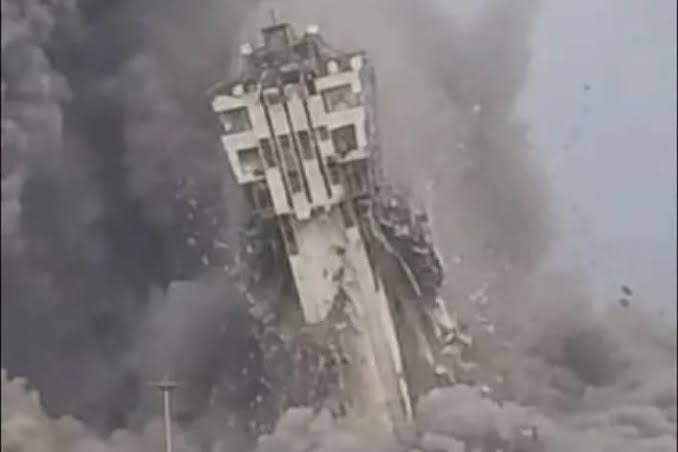
Tehran’s Revolutionary Guard confirmed it struck multiple US-allied nations Friday in direct response to the bridge campaign. The retaliation reached further than previous rounds, hitting new categories of targets.
Confirmed retaliatory strikes included:
- Missile and drone attacks on Kuwait, Bahrain and Oman
- A water and power desalination plant damaged in Kuwait
- The first direct attack on US forces at al-Tanf, Syria
- Strikes reported against infrastructure tied to Qatar, a key mediator in the conflict
Iran’s Revolutionary Guard said the campaign will continue targeting infrastructure belonging to US allies “for as long as the aggression against Iranian territory persists.” The statement signals no near-term de-escalation.
Casualties and the Legal Question
Iranian health officials reported at least seven people killed and 20 wounded in Friday’s strikes alone. Over the past week, the toll has climbed to 38 dead and more than 400 wounded nationwide.
READ MORE: US Strikes on Iran Hit 140 Targets as Tehran Fires Back at the Gulf
Legal scholars have raised concerns about the campaign’s civilian footprint. Bridges, power plants and train stations serve dual military and civilian functions, and international law treats attacks on such infrastructure with heightened scrutiny.
Tehran city councilman Mehdi Chamran pointed to the scale of damage when questioned about ongoing blackouts:
“Just look at how many power facilities they hit … and you wouldn’t be asking that question.”
The US strikes Iran bridges strategy, defense officials argue, targets military logistics rather than civilians directly. Critics counter that the practical effect on ordinary Iranians is identical, regardless of the stated intent behind each strike.
What Comes Next
The collapse of last month’s interim ceasefire has left both sides without a clear off-ramp. Neither Washington nor Tehran has signaled willingness to return to talks while active strikes continue on both fronts.
Analysts tracking the conflict expect the bridge campaign to expand further if Iran maintains its blockade of the Strait of Hormuz. Key factors likely to shape the coming days include:
- Global oil price movement tied to continued Hormuz disruption
- Pressure from regional mediators like Qatar to restart negotiations
- The scale of further Iranian retaliation against US military assets
For now, the region remains locked in a cycle of strike and counterstrike, with civilian infrastructure increasingly caught in the middle on both sides of the conflict.