The war that the United States and Iran agreed to end in June is now being fought harder than at almost any point since it began.
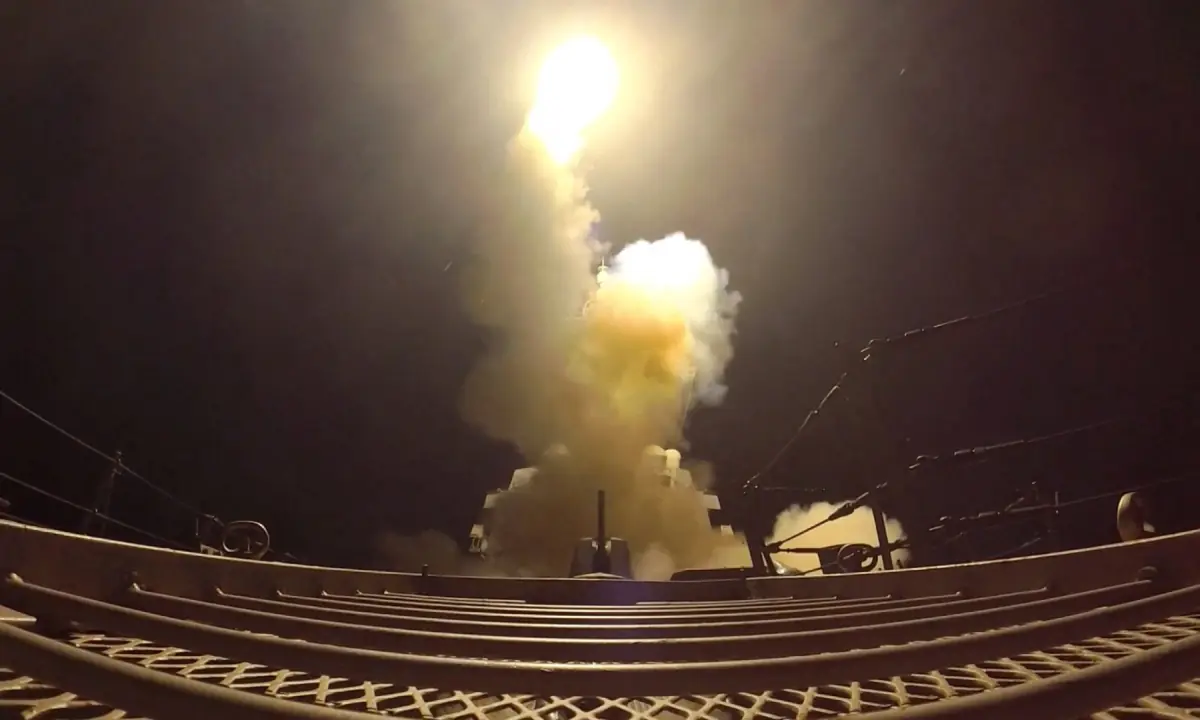
Overnight into Sunday, US strikes on Iran hit about 140 military targets, the third and largest round in a single week. Iran answered by firing missiles and drones at five Gulf states and Jordan; oil prices jumped nearly 4 percent, and Tehran declared the Strait of Hormuz closed. President Trump had said the ceasefire was over. This is what it looks like.
Here is what happened, why it escalated so fast, and what it means for a deal that is supposedly still alive.
What the US Strikes on Iran Hit
US Central Command said the overnight assault struck about 140 Iranian military sites, including missile and drone launch sites, naval assets, ammunition storage and coastal radar.
That was the third round in a week. By CENTCOM’s own count, the US has struck more than 300 targets across three nights, all of it, the command said, to degrade Iran’s ability to attack commercial vessels moving through the Strait of Hormuz. A later Sunday-evening round used one-way attack sea drones for the first time. Iranian state media reported explosions across Hormozgan province in the south, and said a security guard was killed and four people were wounded when a projectile hit a water pumping station in Mahshahr County.
Defense Secretary Pete Hegseth put it bluntly on social media. Iran made a poor choice, he wrote, and now they pay.
What Set It Off
The immediate trigger was a ship.
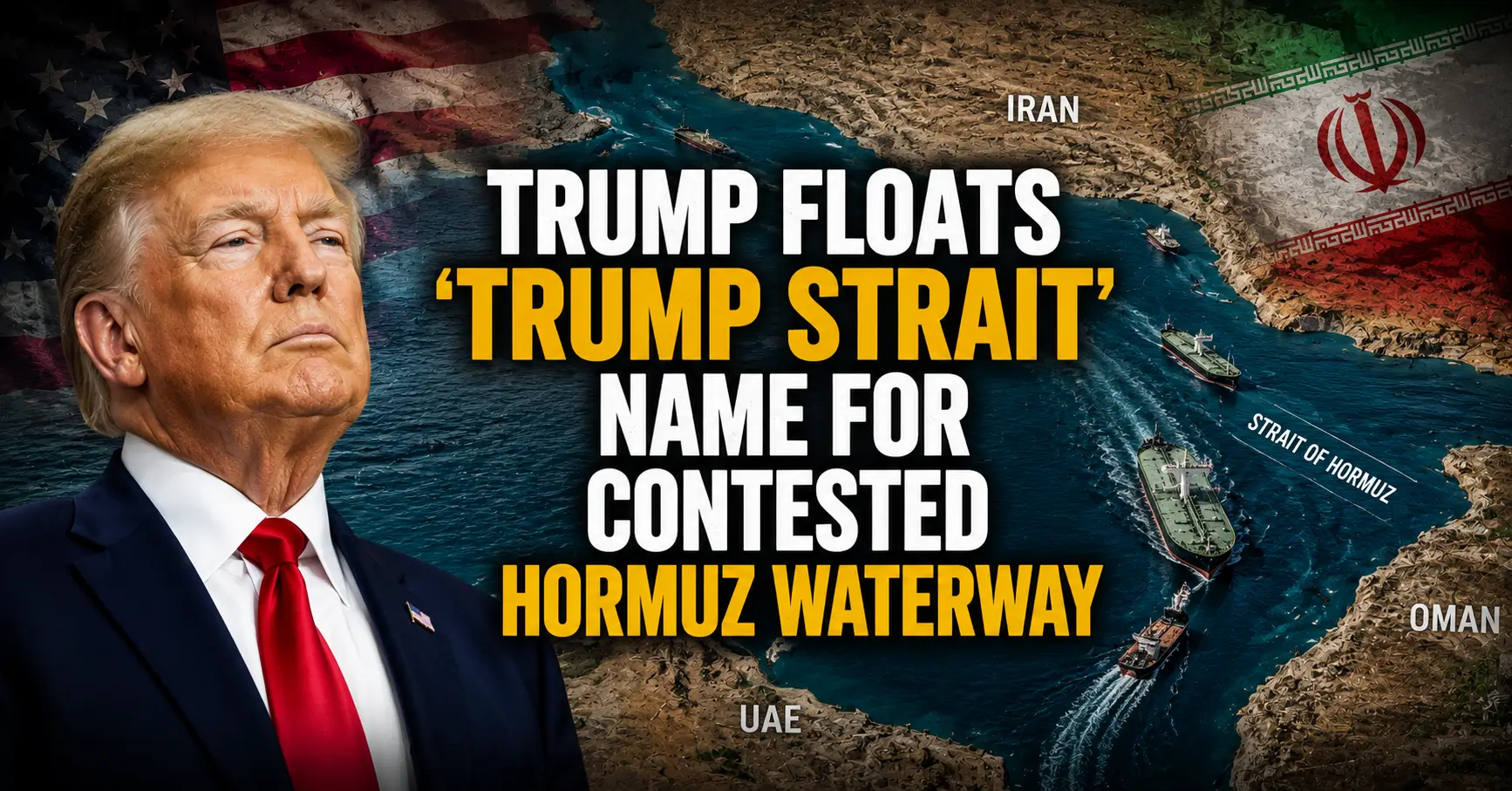
Iran’s Revolutionary Guard attacked a Cyprus-flagged container ship transiting the strait, setting it ablaze and leaving significant engine-room damage. Oman’s maritime authority rescued 23 crew members, but one, an Indian national, remains missing. The Guard said the vessel had ignored warnings to follow a route it had approved, which is the heart of the entire dispute. Iran insists ships use a lane it controls. The US insists the strait is open international waters. Ships hugging the Omani coast to avoid Iranian waters have been the ones getting hit.
That dispute is what the US strikes on Iran are meant to settle by force. It is also the sticking point that the June memorandum was supposed to resolve, but did not. Before the war, nearly 20 percent of the world’s oil and gas flowed through this one waterway. Whoever controls it controls a chokepoint on the global economy.
Iran Fires Back at the Gulf
Iran’s response reached across the region. The Revolutionary Guard said it struck US military installations in Jordan, Bahrain, Kuwait, Qatar, and Oman.
Qatar reported three people hurt, including a child, by falling debris during interception. Jordan’s military said it intercepted four missiles that entered its airspace. Kuwait reported dealing with hostile aerial targets, sirens sounded in Bahrain, and the UAE said missiles did not cross into its territory. Notably, Oman, the country mediating the talks, reported Iranian drones striking sites on its soil, a day after hosting negotiations.
The symbolism is hard to miss. Iran attacked the Gulf states that host US forces, and it attacked the mediator, all while insisting it still wants a deal.
Why the US Strikes on Iran Matter Beyond the Region
For anyone outside the Gulf, the fastest-moving consequence is the price of oil.
Brent crude rose 3.92 percent to $78.99 a barrel on Sunday, and US crude climbed 3.44 percent to $73.87, as traders priced in the risk that the world’s most important oil corridor could stay shut. Tehran’s strait authority said passage is now not possible, directly contradicting the US and CENTCOM, which insist commercial transits continue.
As one Georgetown analyst put it, Iran knows it cannot match the US and Israel militarily, so it is trying to turn a military conflict into an economic one, and in some ways it has succeeded. A country that cannot win a shooting war can still choke a shipping lane.
What Happens Now
The timing is grim. Both sides are approaching the halfway mark of a 60-day window, opened by the June memorandum, that was meant to produce a permanent peace. Instead, the midpoint arrives amid the heaviest fighting of the war.
Mediators in Pakistan and Oman have urged a return to diplomacy. Iran’s lead negotiator, parliament speaker Mohammad Bagher Ghalibaf, answered with a warning rather than an olive branch, writing that the era of one-sided deals is over. The strikes were confirmed by US Central Command, which said its forces acted to hold Iranian forces accountable for attacks on commercial vessels in the strait. The US strikes on Iran show no sign of stopping while ships keep burning in the strait, and Iran shows no sign of surrendering control of the water. The deal is not dead on paper. On the water, it is hard to find.
For the background to this standoff, see our earlier explainer on what is left of the Iran ceasefire.
Stay with NEWSCOUR for the latest as this story develops.