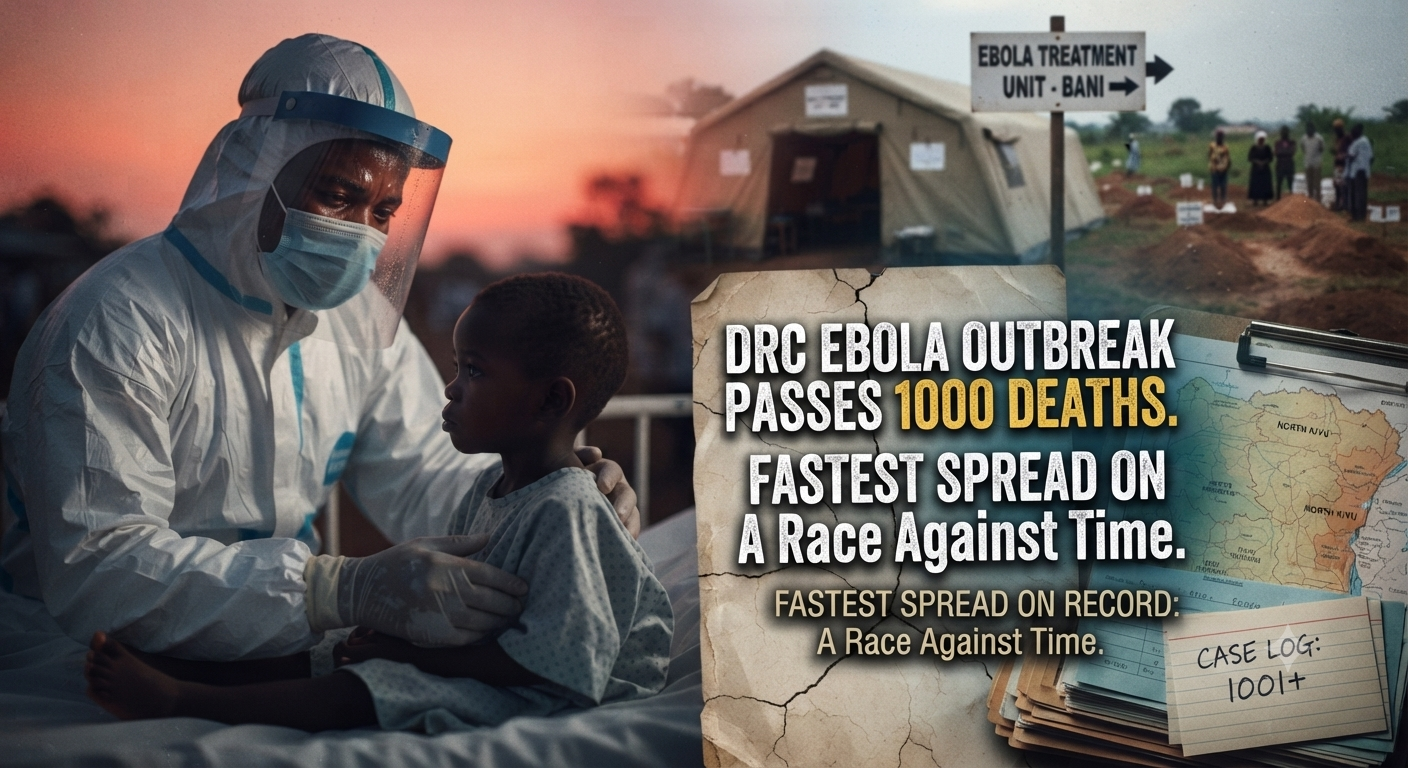
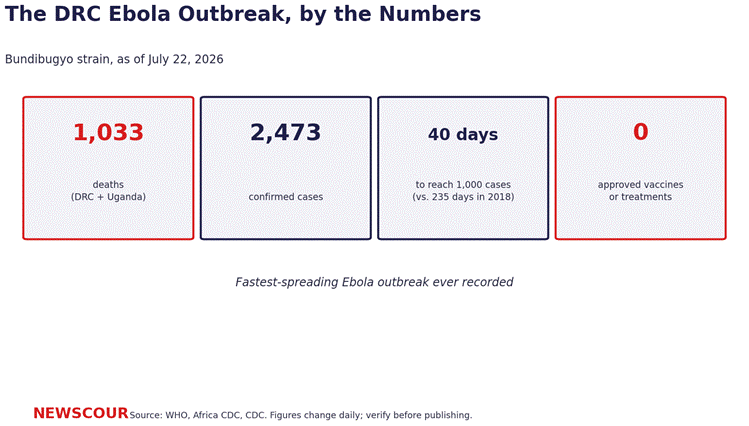
A virus with no approved vaccine and no approved treatment has now killed more than a thousand people in the eastern Democratic Republic of the Congo, in less time than any Ebola outbreak in recorded history.
The DRC Ebola outbreak crossed 1,000 confirmed deaths this week, with Africa CDC director-general Jean Kaseya announcing 1,031 confirmed deaths in the Congo plus two more in neighboring Uganda, out of 2,473 confirmed cases nationwide. The World Health Organization has called it the fastest-growing Ebola outbreak ever recorded, and the US Centers for Disease Control now ranks it the third largest in history by confirmed cases, a grim distinction reached in a fraction of the time previous outbreaks took.
Here is what makes this outbreak different, why it is outrunning the response, and what is being done to stop it.
Why the DRC Ebola Outbreak Is Spreading So Fast
Speed is the defining feature. This outbreak surpassed 1,000 confirmed cases within 40 days of the response being activated. The 2018 Ebola outbreak in North Kivu, by contrast, took roughly 235 days to reach the same milestone. Cases have now been confirmed across five DRC provinces, Ituri, North Kivu, South Kivu, Haut-Uele and Tshopo, plus Uganda’s capital Kampala and a single imported case in France.
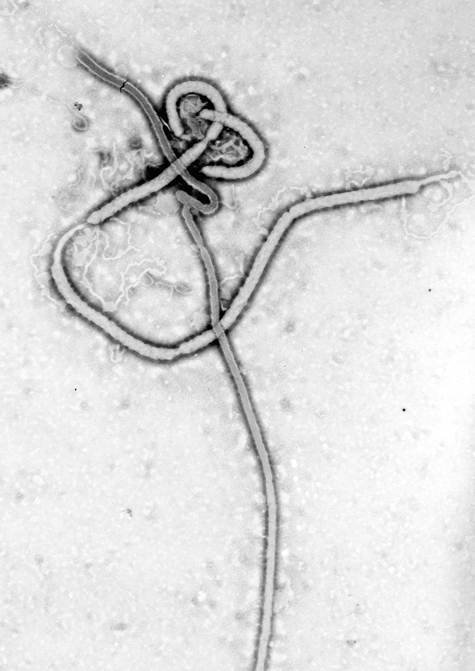
Part of the answer is the virus itself. The outbreak is caused by Bundibugyo virus, a rarer and less studied Ebola species than the Zaire strain behind most prior outbreaks. Every existing Ebola tool, including Ervebo, the vaccine credited with slowing recent DRC outbreaks, was built around the Zaire strain and does not reliably work against this one. The WHO has formally recommended against using Ervebo here outside controlled research settings, which means responders are fighting a fast-moving outbreak without the vaccine that worked last time.
The Conflict Making the DRC Ebola Outbreak Harder to Stop
Ituri and North Kivu, the provinces at the center of the outbreak, are also among the most unstable regions in the DRC, where armed groups including the ADF and the Rwanda-backed M23 have displaced thousands and long restricted humanitarian access. The WHO has recorded at least 12 attacks on medical facilities and health workers since mid-May, and dozens of healthcare workers have gone on strike over unpaid wages, further slowing an already stretched response.
Distrust compounds the danger. Some communities have denied the outbreak is real, resisted contact tracing, or attacked responders, a pattern the WHO’s incident manager for the outbreak, Thierno Balde, described bluntly, saying the response remains behind the virus and is still in a phase of catching up rather than getting ahead of it. Kaseya was more direct still, telling a health conference in Ghana this week that people are dying because there are no vaccines, no medicine and no funding.
What Is Being Done About the DRC Ebola Outbreak
Three experimental treatments are now enrolling patients in the DRC’s first clinical trials built specifically for the Bundibugyo strain: the antiviral remdesivir, the monoclonal antibody MBP134, and an experimental vaccine candidate known as BD-Ebov. All three remain research tools rather than approved treatments, and results are not expected quickly.
There are pockets of real progress. WHO rapid response teams deployed to Kisangani in Tshopo province have so far prevented any secondary transmission there, with all five cases traced directly back to Ituri. Uganda, meanwhile, has reported no new cases in more than a month and has begun a 42-day countdown toward formally declaring its portion of the outbreak over. The World Health Organization continues to publish regular updates as the response continues.
What Happens Now
The US has maintained entry screening and restrictions for travelers arriving from the DRC, Uganda and South Sudan since May, most recently extended in mid-July for another 30 days. Africa CDC has asked US health officials to lift those restrictions specifically for Uganda given its month without a new case, a request that remains under review. For the wider outbreak, WHO officials are blunt that the case and death counts almost certainly undercount the true toll, since an unknown number of infections and deaths are going unrecorded in conflict zones healthcare workers cannot reach. Until the virus is brought under control in Ituri and North Kivu, the DRC Ebola outbreak’s official numbers will keep climbing, and the true numbers are probably climbing faster still.
Follow NEWSCOUR for more updates!