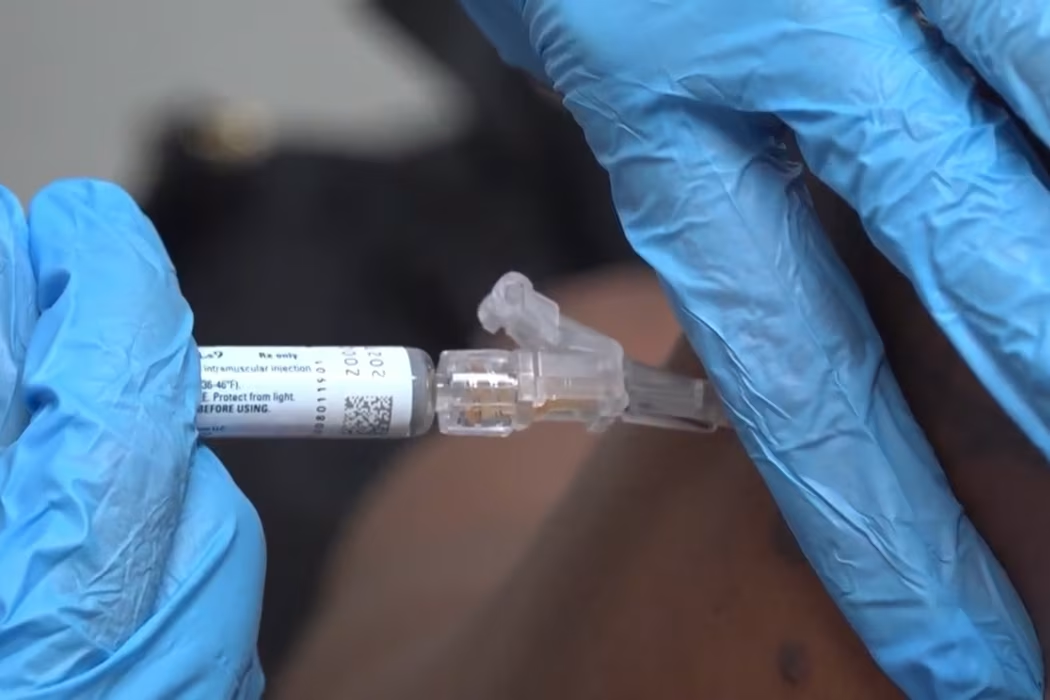
President Donald Trump has signed a childhood vaccine order that would reshape decades of federal guidance on how American children are immunized. The executive order, signed Monday with Health Secretary Robert F. Kennedy Jr. at his side, calls for fewer routine shots and a more spread-out schedule.
The medical and public health communities responded to the childhood vaccine order within hours, pushing back hard. Here is what the order actually says, what doctors are warning, and what it means for parents.
What the Childhood Vaccine Order Does
The order recommends cutting the list of diseases that all children are routinely vaccinated against from 18 to 11, according to reporting on the White House action. Shots removed from the universal list would remain available for high-risk groups or through what the order calls shared clinical decision-making between parents and doctors.
The Key Changes
According to the White House fact sheet and news reports, the order:
- Recommends reducing the number of diseases in the universal childhood schedule from 18 to 11.
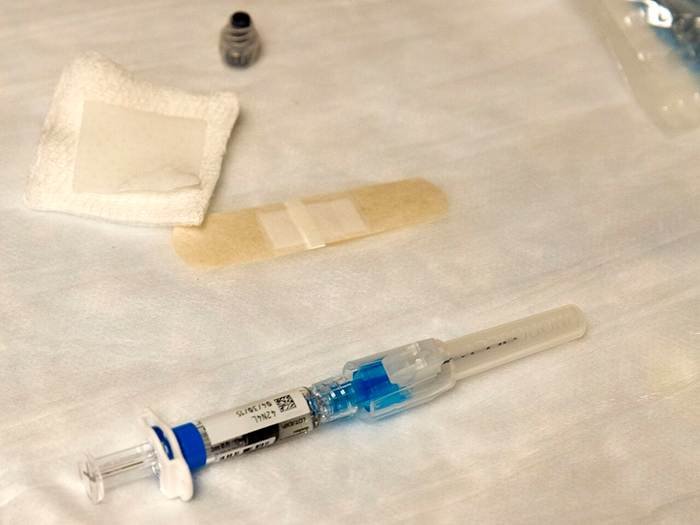
- Advises splitting the combined measles, mumps and rubella (MMR) shot into three separate injections.
- Suggests spacing vaccines out across more separate visits rather than combining them.
- Directs the health department to expand vaccine research.
The administration frames the changes as giving parents more choice and aligning the United States with peer countries. Officials pointed to nations such as Denmark, where several vaccines are not part of the universal childhood schedule.
Why Doctors Are Pushing Back on the Childhood Vaccine Order
The response from the medical establishment was swift and critical. Major physician and public health groups reiterated decades of studies showing the safety and effectiveness of the existing childhood schedule.
A central point of contention is the suggested link between vaccines and autism, which the president has repeatedly raised. Extensive scientific research has found no evidence of such a connection, and experts stress that while the politics around vaccines have shifted, the underlying science has not.
Critics also warn of practical problems. Splitting the MMR shot into three separate visits is not currently possible in the United States, because standalone measles, mumps and rubella vaccines are not available here, and more visits can mean more missed doses.
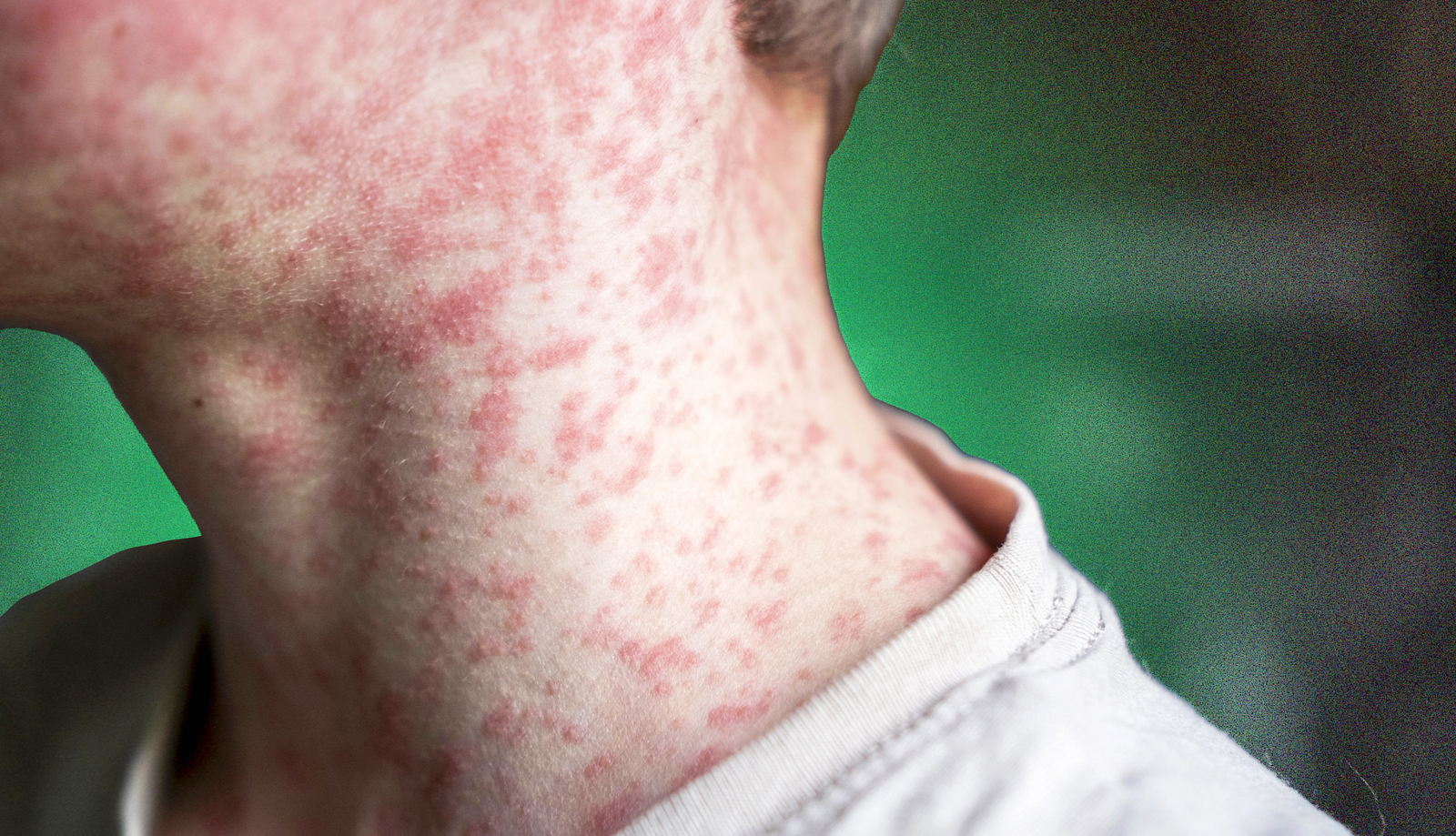
Some worry about timing. The changes come as measles cases in 2026 are on track to surpass last year’s total, a disease that spreads easily among unvaccinated children.
What It Means for Parents
For families, the immediate practical impact of the childhood vaccine order is limited. An executive order is a recommendation and a directive to agencies, not an instant change to what is available at the pediatrician’s office, and legal challenges are widely expected.
In theory, the proposed changes would not ban any vaccine or automatically end insurance coverage for the shots removed from the universal list. The administration says the aim is to widen parental choice rather than restrict access.
Public health experts counter that recommendations carry real weight, shaping insurance, school requirements and parental decisions. The full text of the action is published by the White House, and families with questions are urged to talk to their own child’s doctor.
This sits within a broader shift in US health policy under the current administration. For our coverage of a related vaccine development, see our report on the first mRNA flu vaccine to win FDA approval.
The order sets up a collision between a political directive and a medical consensus that has held for generations. How that plays out in courtrooms and clinics will shape the health of a generation of American children.
The science and the policy are pulling in different directions, and parents are caught in between, so talk to a trusted pediatrician about what is right for your family. For clear, verified health coverage, stay with NEWSCOUR.