

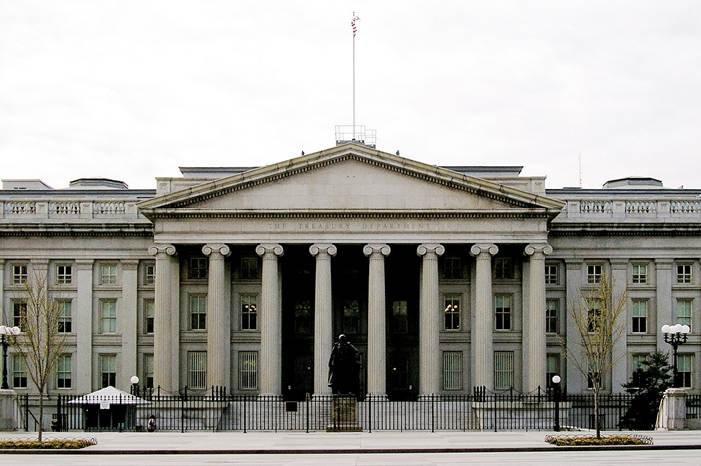
The US national debt has surged past $40 trillion for the first time, a milestone reached months earlier than forecasters expected. The Treasury Department reported that total public debt stood at $40.05 trillion, a figure that has renewed warnings about the country’s fiscal path.
The landmark number is a political flashpoint as well as an economic one. Here is what drove the debt higher, why the timing matters, and what it could mean going forward.
What Pushed the US National Debt Past $40 Trillion
The US national debt arrived at the threshold faster than official projections. Just six months ago, the nonpartisan Congressional Budget Office had projected total borrowing would top out around $39.4 trillion for the fiscal year.
The Main Drivers
According to the Treasury and budget analysts, several factors accelerated the borrowing:
- A Supreme Court decision striking down the administration’s Liberation Day tariffs cut federal revenue by an estimated $250 billion.
- Rising interest payments, which now exceed annual national defense spending.
- Growing long-term costs for Social Security and Medicare as the population ages.
- Higher military spending tied to the conflict with Iran.
The Treasury’s latest figures showed the fourth-highest monthly deficit in US history in July. The gap between spending and revenue for the year was already expected to approach $2 trillion.
Why the Timing of the US National Debt Milestone Matters
The faster pace of the US national debt pulls forward the next major fiscal deadline. Congress set the debt limit at $41.1 trillion last year, and analysts now say borrowing could approach that ceiling by early next year.
That raises the prospect of another debt-limit showdown ahead of schedule, forcing lawmakers to suspend or raise the cap to avoid a default that could shake the economy. Markets are already showing signs of strain.
Yields on long-term Treasury bonds rose this week to their highest level since 2007, reflecting investor anxiety over deficits and the war. The higher yields force the government to refinance its debt at steeper rates.
A Political Flashpoint
The record drew criticism across the political spectrum. Opponents noted that President Trump had pledged during his 2024 campaign to cut public spending, and some Democratic lawmakers accused him of running up the debt sharply.
Supporters and administration officials have pointed to tax cuts and defense priorities as investments, and the debt has grown under presidents of both parties. Analysts note the total has now more than doubled in less than a decade.
Nonpartisan experts framed the moment in stark terms. The head of one bipartisan budget group called the current fiscal trajectory unsustainable, and the full debt data is published by the US Department of the Treasury, which tracks federal borrowing in real time.
The forces behind the debt reach deep into trade and tax policy. For related context on how tariffs ripple through the economy, see our explainer on how American tariffs affect China’s economy.
Crossing $40 trillion is a symbolic line more than a cliff, but the speed of the climb is what has economists watching. How Washington responds in the months ahead will shape the country’s finances for years to come.
The number is enormous, but the pace behind it is the real story, and the next debt-ceiling fight may arrive sooner than anyone planned. For clear markets and policy coverage, stay with NEWSCOUR.